
A US professor and his Nigerian-American wife have explained their decision to move from America to Nigeria with their five children, citing high living costs, family life, culture and concerns about safety.
ONDO STATE, NIGERIA — Pablo Segun, a US-born professor, and his Nigerian-American wife, Aanu, have explained why they left the United States and relocated to Nigeria with their five children, saying the move gave their family more time together, stronger cultural ties and a lifestyle they considered more sustainable. The couple, known online as Familia PablAnu, shared their experience in an interview published by PUNCH on Saturday, August 22, 2026.
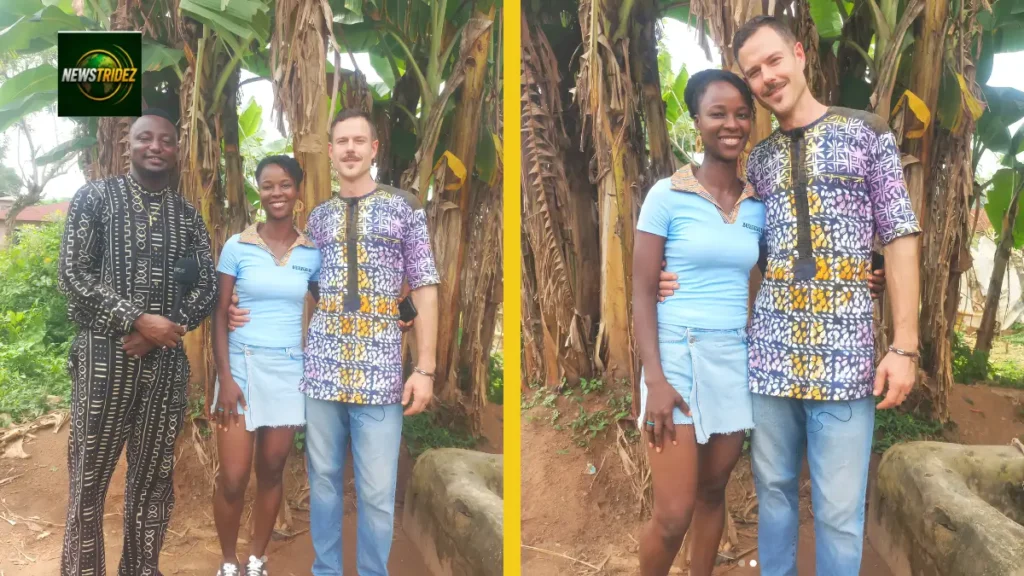
Pablo said he was born and raised in the United States, studied in Spain and later became a professor specialising in Spanish-language linguistics. He said he and Aanu had built their family in America but eventually began looking for another way of life after finding the cost of living and demands of raising children increasingly difficult. According to him, the family wanted more time together instead of a routine centred mainly on work and expenses.
The couple now lives in Ondo State, where they have settled after previously exploring life in East Africa. Pablo said colleagues from Africa had influenced his thinking about farming and alternative ways of earning a living. He explained that some of his African colleagues in the US had farming activities alongside their academic careers, which encouraged him to consider whether his own family could build a more sustainable lifestyle outside America.
Before settling in Nigeria, the family considered East Africa and eventually moved to Uganda. Pablo said they initially hoped to establish themselves there, but difficulties finding suitable land affected their plans. During that period, the couple also worked on a feature film titled My Love from Another Land, which Aanu conceived and which they wrote, produced and acted in. Their experiences eventually led them to Nigeria, where Pablo said he felt more at home.
For Pablo, Nigeria became different from the other places the family had considered because of the way his wife and children connected with the country. He said Aanu understood the culture, language and food, while the children also felt comfortable with their Nigerian heritage. When the parents asked the children whether they wanted to move from Uganda to Nigeria, he said they agreed immediately and packed their bags.
The professor said his decision to move to Africa did not come from a sudden rejection of his American upbringing. Rather, he described himself as flexible and interested in different cultures, languages and countries. He said he had already studied and worked in different parts of the world and had always been open to changing his environment when a different option appeared to suit his family better.
A major issue behind the move, according to Pablo, was the cost and pressure of living in the United States. He said America had become expensive and stressful for the family and that even saving money could be difficult. He also said the family wanted a sustainable life that would allow him and Aanu to spend more time raising their children instead of constantly working to meet the demands of everyday life.
Aanu, however, had a different starting point. The Nigerian-American said she initially resisted the idea of returning to Nigeria because her experiences in America had changed the way she viewed her country of birth. She told PUNCH that, despite facing racism and discrimination in the United States, she had developed the impression that Nigeria offered fewer opportunities and faced too many security and economic problems.
She said her concerns came partly from the news she followed while living abroad. According to Aanu, she worried about insecurity and questioned why her husband would want to bring their children to Nigeria when she believed the country had so many challenges. She said even her parents, who lived in America, believed the United States offered greater opportunities and did not initially support the idea of moving the family to Nigeria.
Aanu also described experiences she said she encountered as a Black woman in America. She recalled an incident in which she took three of her children to pick chestnuts after receiving permission from the property owner, only for police officers to arrive. She said she had done nothing wrong but felt uncomfortable about the situation and eventually called Pablo to remain on the phone while she gathered her children and left.
She further said she experienced discrimination while working at a doctor’s office, claiming that some patients refused to allow her to attend to them after seeing her. Aanu said repeated experiences of this kind left her frustrated and depressed. These accounts represent her personal experience and were not independently verified by Newstridez, but they formed an important part of her explanation for why life in America eventually became difficult for her.
The couple’s decision also reflects their approach to raising their five children across different cultures. Pablo said he speaks Spanish to the children while Aanu speaks Yoruba, following a multilingual approach that allows the children to develop connections to both parents’ backgrounds. He said the children also understand English and began strengthening their English skills while the family lived in Uganda.
Pablo acknowledged that his Yoruba is not fluent, although he studied the language for about a year while working at a university. He said he wanted to learn Aanu’s language because he understood that communication with their children would become increasingly important. Since moving permanently to Nigeria about a year ago, he said he has had more opportunities to practise Yoruba and deepen his connection with the culture.
The family has documented much of its journey online through Familia PablAnu. Pablo said they initially started sharing their experiences on social media mainly to keep relatives in America connected to the family. Instead of repeatedly making phone calls or sending individual photographs and videos, the couple could document their journey online so both sides of the family could follow what they were doing.
Their online presence has since given other people an opportunity to see how an American-born family experiences everyday life in Nigeria. Pablo said Nigeria is the first place where he genuinely feels at home, partly because his wife and children also feel comfortable there. He pointed to cultural similarities, food, family relationships and respect for elders as factors that have helped him settle into life in the country.
The family’s experience does not mean that Nigeria has solved every challenge they faced abroad. Their story instead shows how migration decisions can depend on personal priorities, family identity and the search for a lifestyle that fits a particular household. For this family, those priorities included raising children with strong links to Yoruba culture, maintaining several languages and creating more time for family life.
Newstridez reviewed the couple’s published interview and found that their decision involved several factors rather than a single reason. Pablo focused on the cost and pressure of life in America, while Aanu spoke extensively about her experiences with racism and her changing view of Nigeria. Their decision to settle in Ondo State also followed an earlier attempt to establish themselves in Uganda.
For Nigerians, the story offers a different perspective on migration at a time when many citizens continue to leave the country in search of education, employment and better living conditions abroad. While the couple’s circumstances are unique and cannot represent every Nigerian family’s experience, their decision highlights another side of the migration conversation: people who leave the West and later decide that Nigeria better suits their family and cultural identity.
The family’s next chapter will now depend on how they continue building their life in Nigeria while maintaining connections to America and other countries where they have lived. With five children growing up across Nigerian, American, Spanish and Yoruba influences, Pablo and Aanu say their goal is not to choose one identity over another but to preserve the different parts of their family background.
The America to Nigeria journey of Familia PablAnu therefore goes beyond a simple relocation story. Pablo and Aanu say they wanted more family time, a sustainable lifestyle and stronger cultural connections, while Aanu’s experiences in America also shaped her decision. After years abroad and an earlier stay in Uganda, the couple now describes Nigeria as the place where their family feels most at home.
Read: Veteran Nollywood Actors Who Have Battled Serious Health Challenges