A Lagos agbero has been filmed demanding ₦50,000 from a driver carrying goods, renewing public anger over alleged unofficial levies and intimidation faced by motorists on Lagos roads.
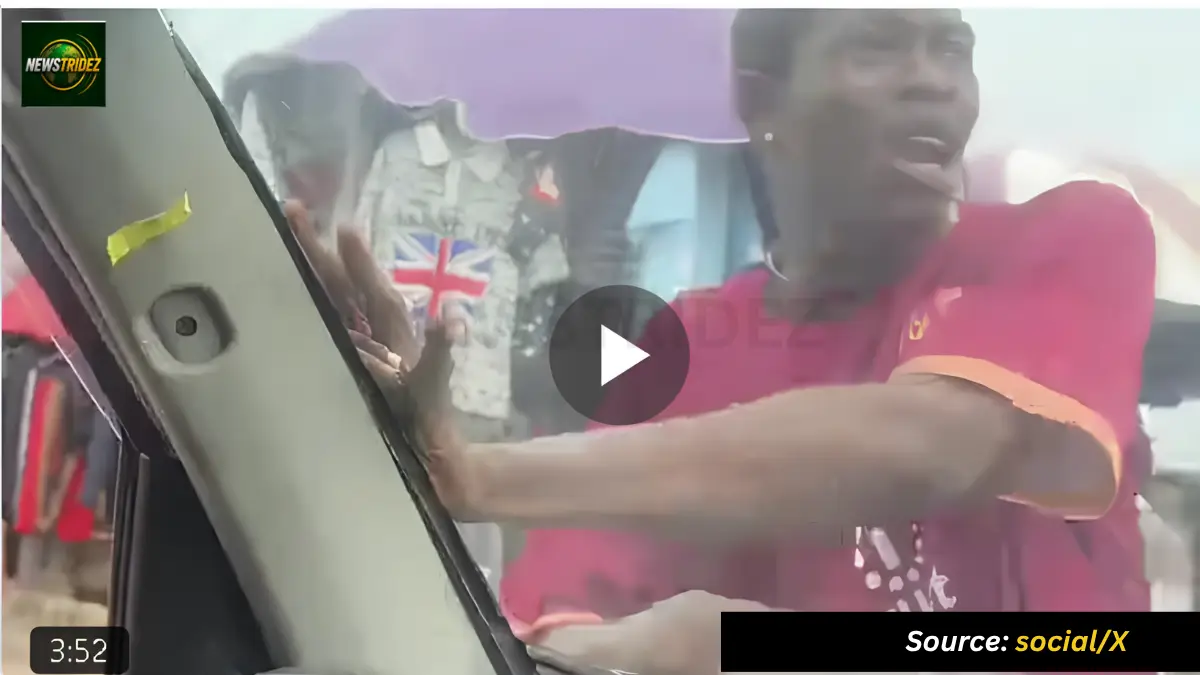
LAGOS, NIGERIA — A video circulating online has shown a suspected agbero stopping a driver carrying goods in Lagos and demanding ₦50,000 before allowing the vehicle to continue, prompting fresh complaints about unofficial collections on the state’s roads.
According to the video shared online by social media user Kemmy, the man stopped the driver during the journey and insisted that money had to be paid because the vehicle was carrying goods. The footage does not independently establish the man’s identity, affiliation or whether the ₦50,000 demand represented an authorised levy.
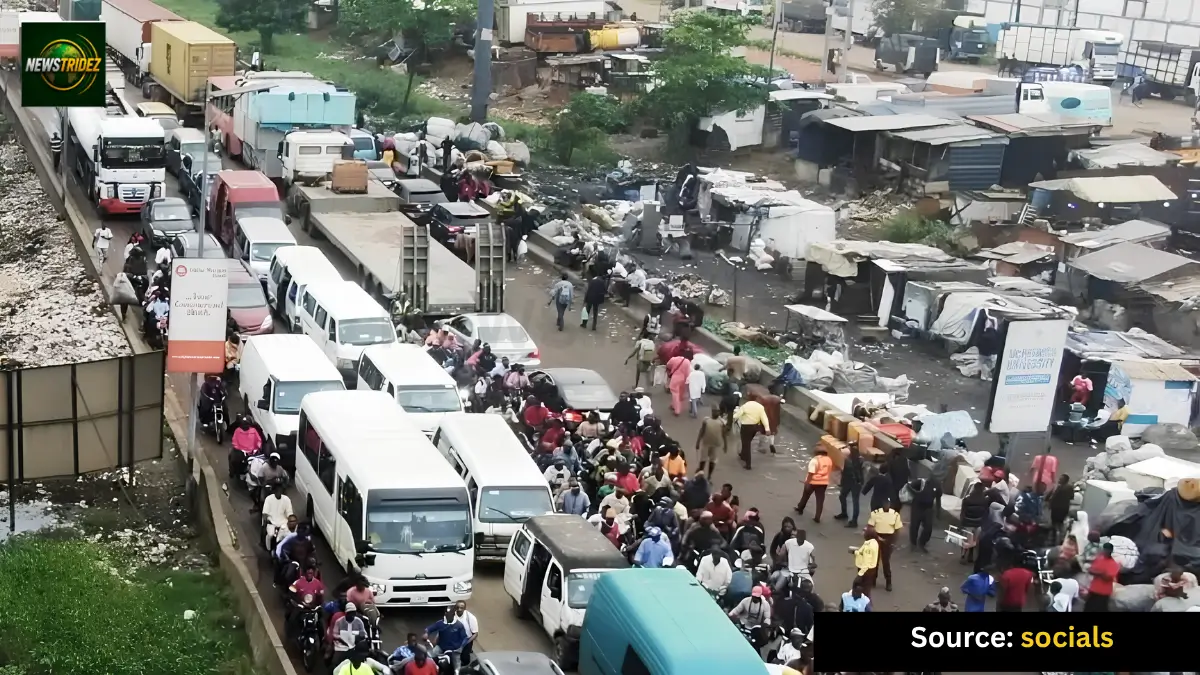
The incident has triggered reactions from Nigerians who say similar demands occur on different roads and around transport hubs in Lagos. Some viewers shared their own experiences, including claims that people moving household items have also faced demands before their goods or vehicles could pass through certain areas.
Newstridez reviewed the video and recent reports on agbero-related complaints in Lagos and found that the latest footage fits into a wider pattern of public complaints about unofficial collections. Commercial drivers have repeatedly alleged that multiple levies increase their operating costs, while residents have also complained about harassment when they refuse to pay.
One recent report by Vanguard found commercial bus drivers on the Iyana-Ipaja/Iyana-Iba route withdrawing their services over alleged extortion involving several agencies and transport union members popularly known as agberos. The drivers said the alleged collections had become too frequent and had made daily operations increasingly difficult.
The latest video involves a driver carrying goods rather than a passenger bus, highlighting another aspect of the problem. When goods vehicles face additional roadside demands, businesses and traders can eventually absorb those costs through higher delivery charges, transport prices or the final price of goods.
The ₦50,000 figure demanded in the video has attracted particular attention because it is far above the smaller daily collections commercial drivers have previously reported. However, the video alone does not establish whether the money was eventually paid, whether the demand was repeated or what happened after the recording ended.
Social media users have also compared the incident with stories of people moving household items. One widely shared account involved a woman who reportedly paid ₦10,000 while moving a mattress, with commenters saying such demands make simple movement within Lagos more expensive.
Those accounts remain individual claims unless independently verified. They nevertheless show why the latest footage has resonated with Lagos residents who regularly move goods, furniture, equipment and other items across the city.
Residents told Newstridez that roadside demands can create difficult choices for motorists because refusing to pay may lead to arguments, delays or confrontation. The accounts could not independently establish that every such collection comes from the same organisation or that all people demanding money operate under one structure.
The wider problem has attracted attention from transport operators for years. A 2026 Pulse report documented complaints from Lagos residents and commercial drivers who said agbero activity involved harassment, intimidation and unofficial collections around roads and bus stops.
The report also cited a commercial driver who said drivers could face multiple payments during a day’s work. According to the account, some drivers paid amounts equivalent to the fares of several passengers before beginning trips, while additional demands could occur at different points along their routes.
The issue is not new. Previous reports have documented commercial drivers complaining about multiple daily levies and disputes with people collecting money on behalf of transport unions. In 2023, the Lagos State Parks and Garages Association announced restrictions on some illegal collections following protests by commercial drivers over alleged extortion.
The Guardian also previously reported cases in which people described as agberos allegedly demanded money from drivers and motor boys, with disputes sometimes escalating into violence or damage to vehicles. The newspaper reported concerns over the enforcement of approved dues and the activities of people operating outside those arrangements.
That history makes the latest video more than an isolated social media argument for many Lagos residents. The central question is whether money demanded from motorists represents an authorised transport charge or an unofficial collection enforced by individuals without legal authority.
Lagos authorities have established formal channels for traffic enforcement and transport regulation, but those official processes are separate from roadside demands made by unidentified individuals. The Lagos State Traffic Management System, for example, publishes specific penalties for traffic offences, including fines for several violations.
The published traffic penalties include fines for offences such as illegal parking, obstruction, route violations and other traffic-related breaches. They do not establish a general authority for individuals to stop private motorists and demand ₦50,000 simply because a vehicle is carrying goods.
The distinction matters because unofficial collections can affect more than the motorist who pays. Traders moving food, building materials, furniture and other products often include transport expenses in their selling prices. Repeated roadside charges can therefore add to the cost of doing business in Lagos.
Commercial drivers have also warned that the wider cost of operating vehicles has become increasingly difficult. The Joint Drivers Welfare Association of Nigeria recently said drivers were facing rising petrol costs, vehicle maintenance expenses, customs duties and multiple levies. The group warned that the combined pressure was hurting drivers’ ability to maintain their vehicles and support their families.
The association said commercial drivers could spend between ₦50,000 and ₦100,000 on petrol daily, depending on their routes and vehicles. Those figures represent the association’s claims and should not be treated as an independently verified average for all Nigerian commercial drivers.
Against that backdrop, another roadside demand can have a direct effect on transport economics. A driver who pays an unexpected ₦50,000 must either absorb the loss, recover it from the customer or increase the cost of future trips.
The latest video has also revived the social media description of Lagos as the “State of Agbero”, a phrase used by some commenters to express frustration with what they see as the persistence of roadside collections and harassment.
However, the label should not be taken as a description of every transport worker in Lagos. Thousands of legitimate drivers, union members and transport operators work within the state’s transport system without engaging in unlawful conduct.
Checks by Newstridez showed that the video does not provide enough information to identify the location, the driver, the vehicle owner or the person making the demand. It is therefore not possible from the footage alone to establish whether authorities have opened a case or whether anyone has been arrested.
The video also does not establish whether the man acted on behalf of a recognised transport union. That point is important because accusations against a union or government agency require evidence linking the individual involved to that organisation.
For Lagos residents and businesses, the larger concern remains the cost of moving around Nigeria’s commercial capital. Every additional unofficial payment can add pressure to transport operators, traders and consumers already dealing with higher fuel, maintenance and operating expenses.
As at the time of filing this report, the Lagos agbero video continued to generate reactions online, but the identity of the man and the status of the alleged ₦50,000 demand had not been independently established. No official response specifically addressing the footage was available in the sources reviewed by Newstridez.
The latest incident adds to a long-running debate over how Lagos should regulate roadside collections and protect motorists from intimidation. Further clarification would depend on identifying the location, confirming the individuals involved and determining whether the demand violated Lagos transport regulations.
For now, the video has once again placed unofficial roadside levies in the spotlight. The wider issue remains whether enforcement agencies and transport authorities can ensure that motorists and businesses know exactly what charges they must legally pay — and protect them when individuals demand money outside those rules.
The moment some agberos saw that this man had goods in his vehicle, they started demanding money from him.
— Kemmy (@dspkemo) September 19, 2026
Lagos and Agbero 5&6 😂 pic.twitter.com/wsX0y8KjtZ