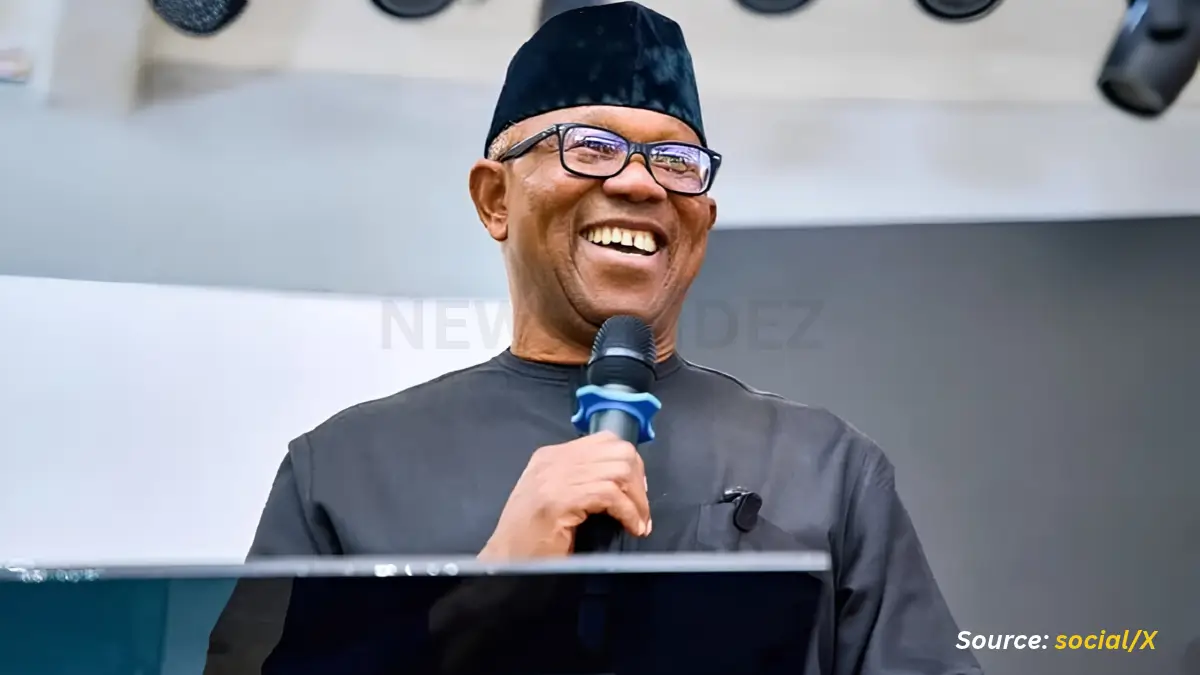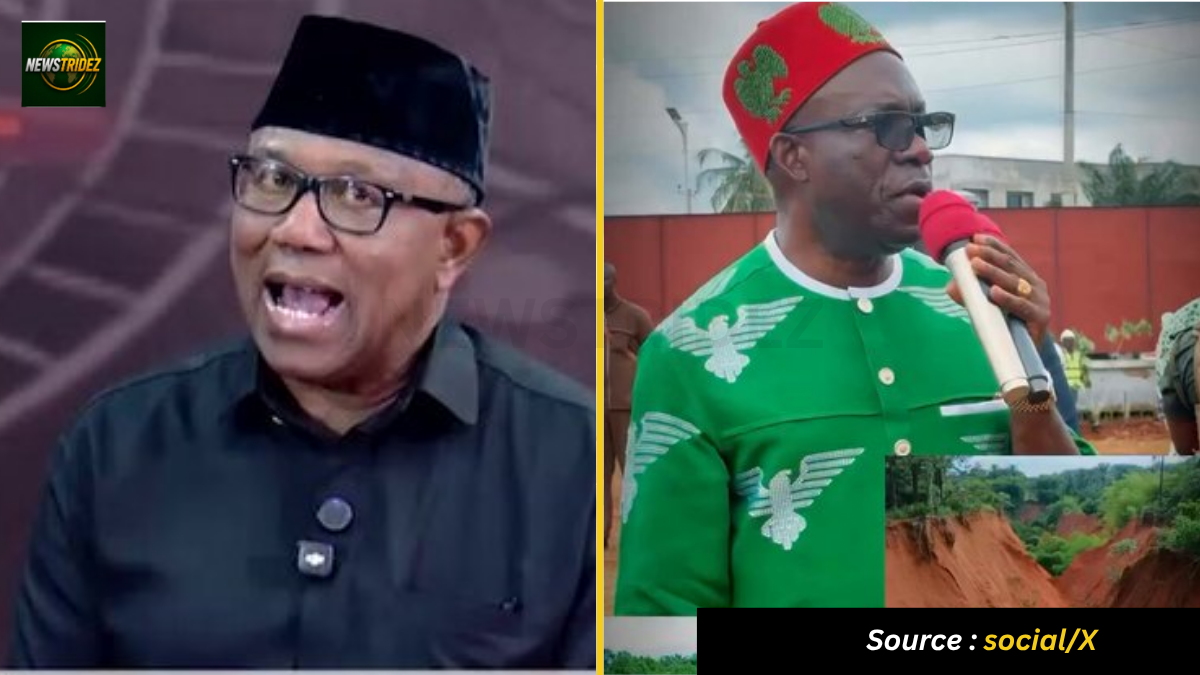
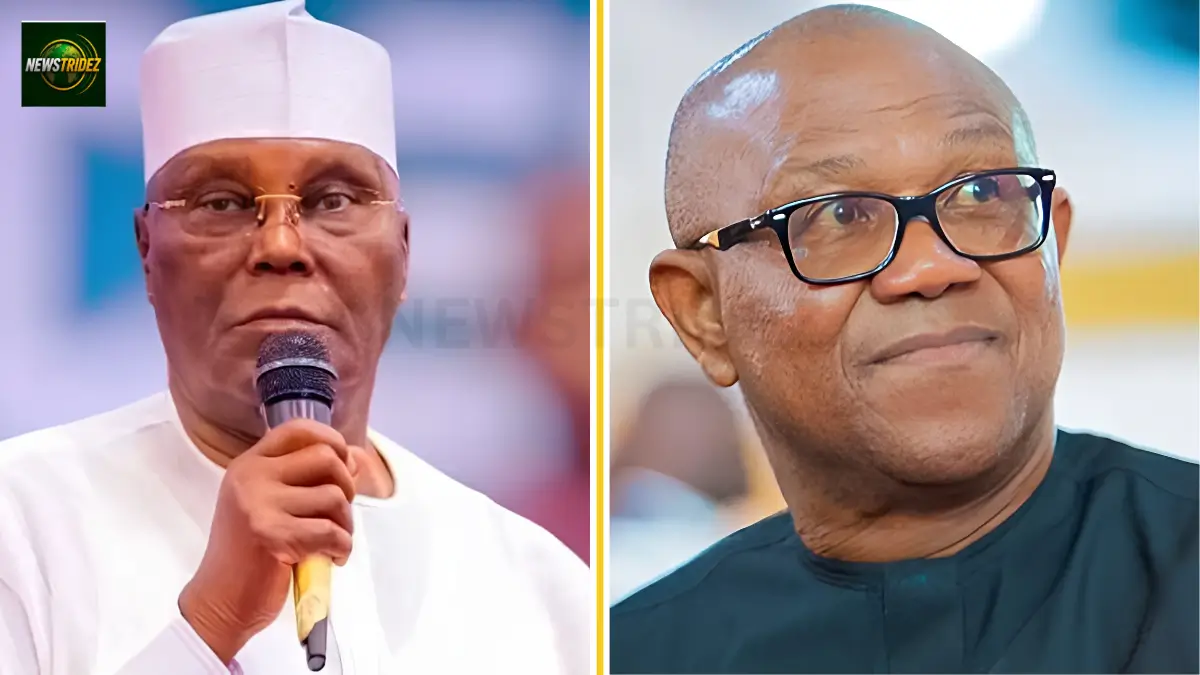
The Atiku Obi camps have rejected pressure to produce one opposition candidate for Nigeria’s 2027 election. Both sides favour cooperation but remain unwilling to drop their presidential ambitions.
ABUJA, NIGERIA —Former Vice President Atiku Abubakar and former Anambra State governor Peter Obi have rejected calls for opposition parties to field a single presidential candidate against President Bola Tinubu in the 2027 election, dealing another blow to efforts to unite the opposition. The two camps support greater cooperation but have shown no willingness to surrender their separate presidential bids.
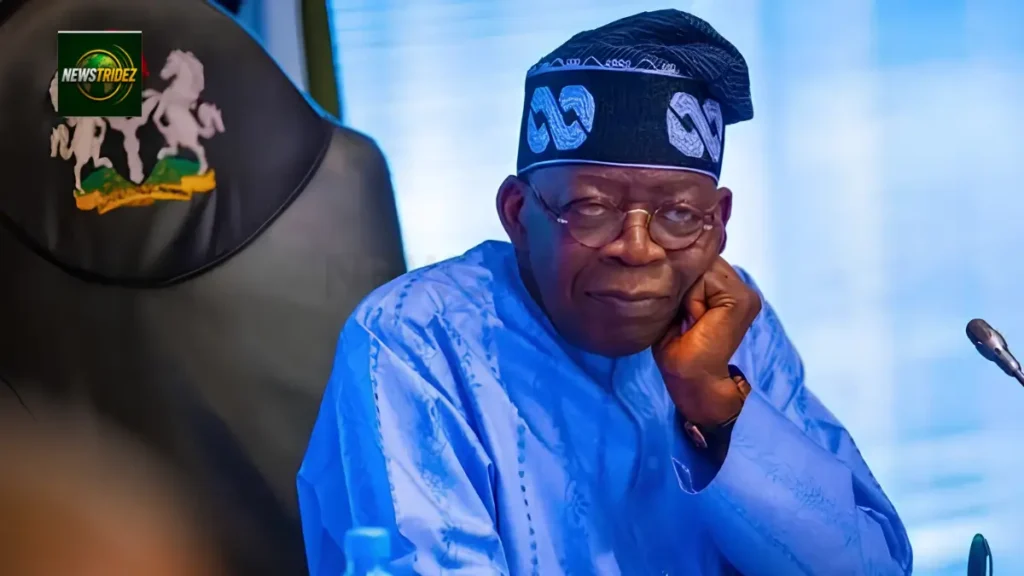
The latest disagreement followed a call by G-100, a coalition of 100 prominent Nigerians, urging Atiku, Obi and other opposition leaders to set aside their individual ambitions and agree on one candidate. The group said a divided opposition could again hand the ruling All Progressives Congress an advantage, as happened in the 2023 presidential election when several major challengers split the anti-incumbent vote.
According to reports reviewed by Newstridez, Atiku’s camp has not completely rejected cooperation among opposition parties. His aide, Phrank Shaibu, said political parties had already produced candidates in line with the Electoral Act but could still discuss areas of cooperation and collaboration within the law. The position leaves room for electoral coordination without requiring Atiku to withdraw his presidential candidacy.
Obi’s camp has taken a similarly cautious position. The former Labour Party presidential candidate now heads the New Democratic Congress ticket, with former Kano State governor Rabiu Kwankwaso as his running mate. The emergence of that ticket has effectively placed Obi on a separate electoral path from Atiku, who secured the African Democratic Congress presidential ticket with former Rivers State governor Rotimi Amaechi as his running mate.
Newstridez’s review of the current opposition alignment shows that the dispute goes beyond the personal ambitions of Atiku and Obi. Different political blocs have already begun building separate structures, selecting candidates and preparing for the 2027 contest. That makes any last-minute agreement on one presidential candidate harder, especially as parties and politicians have invested political capital in their existing arrangements.
The G-100 had earlier warned that the opposition needed to unite if it wanted to mount a serious challenge to the APC. In an open letter dated August 2 and titled “The Doctrine of a Necessary Democratic Opposition,” the group urged Atiku, Obi, Amaechi and Kwankwaso to negotiate and produce a consensus candidate. It argued that opposition fragmentation could strengthen the ruling party’s position in the next presidential election.
The pressure comes as Nigeria moves deeper into the 2027 election cycle. President Tinubu is seeking a second term under the APC, while opposition parties are attempting to build an alternative political force. Recent reporting shows that the opposition coalition has already fractured, with major figures pursuing different platforms and tickets. The division has renewed memories of the 2023 election, when the presence of Atiku, Obi and other major candidates divided opposition support.
The political significance is clear for Nigerian voters. A single opposition candidate could combine support from several political blocs, but agreeing on who should lead such a ticket remains one of the biggest obstacles. Atiku and Obi both have established political bases, while other opposition figures also retain presidential ambitions. Any arrangement would therefore require difficult negotiations over the candidate, running mate, party structure and power-sharing.
The opposition’s challenge also extends beyond the presidential ticket. Several parties and factions have already disagreed over the status of previous coalition agreements. Reports in July showed that some PDP, ADC and Labour Party blocs rejected the idea of a joint presidential ticket, insisting that they would pursue separate candidates against the APC. Other opposition figures, however, continued to leave room for future cooperation.
For Atiku, the decision to remain on the ADC ticket keeps his presidential campaign intact. For Obi, the Obi-Kwankwaso ticket gives the NDC a separate platform and allows his political movement to continue its campaign without depending on the ADC structure. The competing arrangements mean the opposition must now decide whether cooperation can happen without a single presidential candidate or whether another attempt at consolidation will emerge before the election.
The development comes as the 2027 presidential contest begins to take clearer shape. With Atiku and Obi now positioned on separate tickets, the G-100 campaign for a single opposition candidate faces a difficult test. Unless the major blocs agree on a new arrangement, Nigerians may again see several opposition candidates competing for the same pool of voters against Tinubu and the APC.
The Atiku Obi camps have therefore left the door open to cooperation but rejected the immediate idea of surrendering their separate presidential ambitions. With the election approaching and political parties already building their campaigns, further negotiations could determine whether the opposition remains divided or finds another route to coordinate its challenge to the ruling party.
Read: Veteran Nollywood Actors Who Have Battled Serious Health Challenges