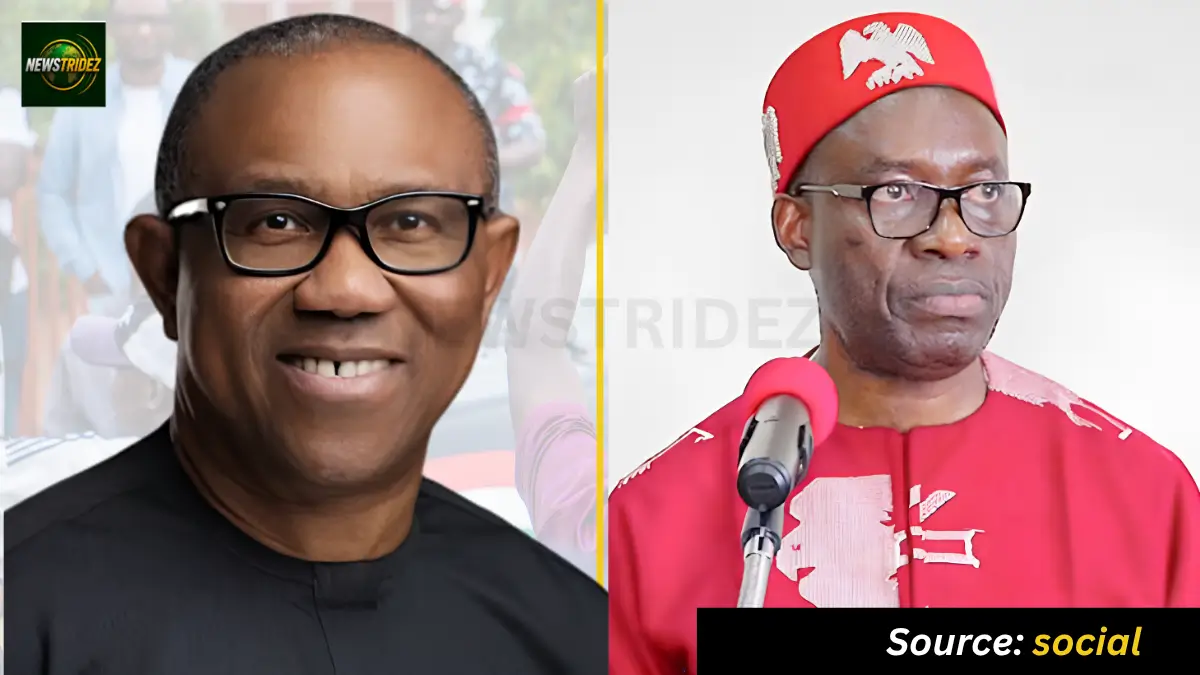
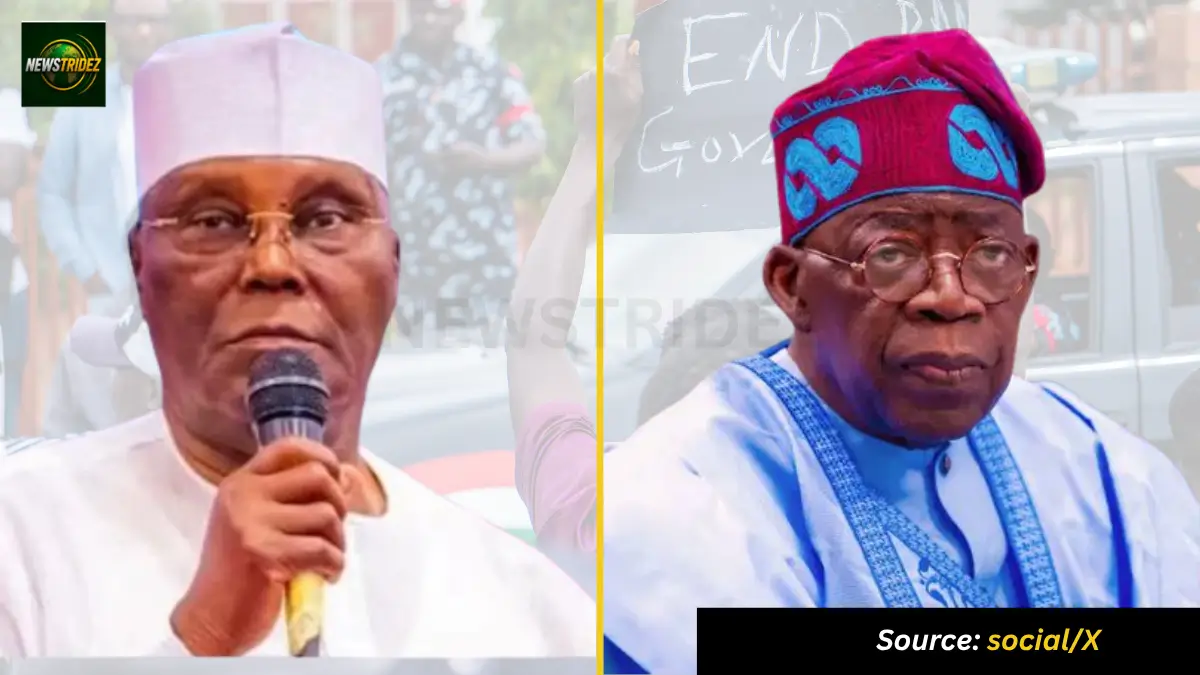
Electricity subsidy 2027 plans have drawn a warning from Atiku Abubakar, who urged President Bola Tinubu on Friday in Abuja to avoid another policy shock that could increase costs for households and businesses.
ABUJA, NIGERIA — Former Vice President Atiku Abubakar has warned President Bola Tinubu against ending Nigeria’s electricity subsidy in 2027, arguing that higher power costs could deepen pressure on households, workers and businesses already struggling with rising living expenses.
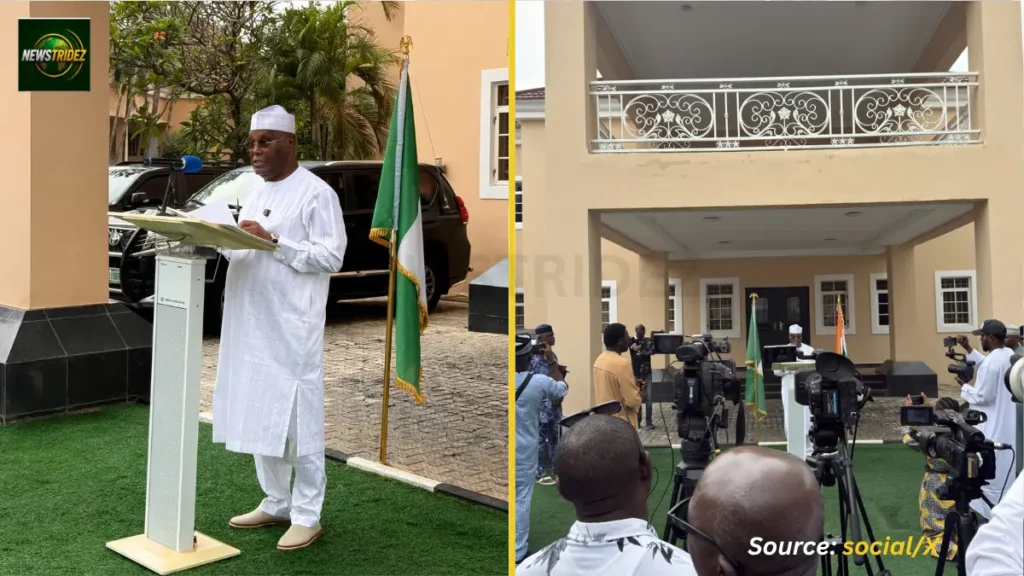
According to Atiku, who spoke at a press conference in Abuja on Friday, September 18, the Federal Government should learn from the economic effects that followed the removal of petrol subsidy in May 2023 before proceeding with the planned electricity subsidy phase-out. He urged the administration to reduce energy costs rather than introduce another burden on consumers.
The warning follows the Federal Government’s announcement that it plans to stop electricity subsidy payments from 2027. Power Minister Joseph Tegbe disclosed the plan on July 31, saying the government wants to address mounting liabilities in the power sector while putting the industry on a more sustainable financial footing. He also said the government had no immediate plan to increase electricity tariffs.
Newstridez reviewed the Federal Ministry of Power’s July announcement and Atiku’s latest remarks, and the two positions show a clear difference over how Nigeria should manage the cost of electricity. The government says subsidy payments have become financially difficult to sustain, while Atiku argues that removing support without adequate protection could push more costs onto ordinary Nigerians.
Atiku linked his concern to the experience that followed Tinubu’s decision to remove petrol subsidy on May 29, 2023. He said the impact moved through the economy, affecting transportation, food prices, farming, manufacturing, household expenses and the cost of running businesses.
“When petrol becomes expensive, transportation becomes expensive. When transportation becomes expensive, food becomes expensive,” Atiku said.
The ADC presidential candidate argued that the same pattern could emerge in the electricity market if government support ends without measures that protect consumers and reduce production costs. He specifically pointed to small businesses that depend on electricity to operate, including barbers, tailors, frozen-food sellers, welders and other traders.
Atiku said the cost of alternative power has already placed pressure on many businesses. Where public electricity fails, operators often depend on generators and fuel, meaning a rise in electricity costs can combine with existing fuel and operating expenses.
He therefore called on Tinubu to intervene before the situation worsens, saying government should focus on lowering the cost of energy for Nigerians rather than relying mainly on temporary palliatives. His comments came during a wider address on fuel prices, electricity costs and the rising cost of living.
The Federal Government has presented a different explanation for its electricity policy. Tegbe said the planned subsidy phase-out forms part of reforms aimed at tackling the sector’s financial problems and stopping the continued accumulation of liabilities.
According to the minister, the government is seeking approval to clear about ₦3.3 trillion in legacy electricity-sector debt and establish funding arrangements that can prevent the debt from building up again. He said the government also wants to improve service delivery and ensure consumers pay only for electricity they actually receive.
The minister has also tried to separate subsidy removal from an immediate electricity tariff increase. Tegbe said the government does not currently plan to raise electricity tariffs beyond existing levels and rejected reports that the administration intends to move all consumers into Band A.
He said the government would also protect vulnerable Nigerians who cannot afford higher electricity costs. That position means the proposed 2027 reform, as currently described by the government, involves a change in how the sector receives public financial support rather than an announced immediate increase in every consumer’s electricity bill.
The debate matters because electricity remains a major operating cost for Nigerian businesses. Manufacturers, shops, service providers and small enterprises often combine grid electricity with diesel, petrol-powered generators or other alternatives when public supply does not meet their needs.
Atiku used that reality to argue that government must consider the combined effect of energy costs on production and household spending. He said economic reforms should ultimately be measured by whether ordinary Nigerians can afford goods and services with their incomes.
Data reviewed by Newstridez indicates that the Federal Government itself recognises the scale of the electricity sector’s financial problem. The power minister has described the sector’s legacy liabilities as a major challenge and said reform is necessary to stop the accumulation of new debts.
Atiku, however, wants the government to balance that financial objective with immediate relief for consumers. His argument is that a financially sustainable electricity market should not come at the cost of making basic business operations and household living more expensive.
The former vice president also connected the electricity debate to his wider economic policy position ahead of the 2027 election. He has recently called for government intervention to lower petrol prices and has defended his proposal to restore a targeted form of fuel subsidy if elected.
Atiku has described his proposed petroleum intervention as a production-focused arrangement that would include controls intended to prevent the leakages associated with the former subsidy system. He has also maintained that government should intervene where necessary to reduce the cost burden on Nigerians.
His latest comments therefore place electricity subsidy alongside petrol subsidy as a major economic issue likely to feature in the 2027 presidential contest. Atiku is questioning the pace and social impact of the government’s reforms, while the administration has continued to defend reforms aimed at improving public finances and restructuring key sectors.
The timing has also increased public attention because the Federal Government says it wants to end electricity subsidy payments from 2027 while maintaining protections for vulnerable consumers. The government has not said that all electricity users will immediately face higher tariffs once the subsidy ends.
The Power Ministry has instead said the priority includes improving electricity supply, expanding access and creating a financially sustainable market. Tegbe said some communities now receive up to 16 hours of electricity daily and expressed confidence that ongoing investments could further improve supply.
For small businesses, however, the question will remain how the changes affect their monthly operating costs. A barber needs power for clippers and lighting, a tailor needs electricity for machines, while a frozen-food seller depends on refrigeration. Higher energy costs can quickly affect prices if businesses pass those expenses to customers.
Atiku said those businesses should not have to choose between staying open and absorbing electricity costs they cannot afford. He urged the administration to act before the proposed subsidy changes take effect and to ensure that any reform comes with practical relief for vulnerable Nigerians.
The government has not indicated that it will abandon its 2027 electricity subsidy phase-out plan following Atiku’s warning. Its stated position remains that the reform will address the financial problems of the power sector while protecting vulnerable consumers and avoiding an immediate tariff increase.
As at the time of filing this report, Electricity subsidy 2027 remained a point of disagreement between Atiku and the Federal Government, with Atiku warning against another cost shock and the government maintaining that subsidy reform is needed to tackle the power sector’s financial liabilities.
The issue is likely to remain part of the economic debate ahead of 2027, particularly as Nigerians watch electricity bills, petrol prices and business costs. The next major development will depend on how the Federal Government designs its subsidy phase-out, what protections it provides for vulnerable consumers and whether it responds to calls for lower energy costs.
Bola Tinubu should not be ashamed to do what is necessary to lower the price of petrol simply because Atiku Abubakar proposed a government intervention. He should just take the idea, rename it if he wishes, and even take the credit. What matters to me is that Nigerians pay less.… https://t.co/csW5ffjjKg pic.twitter.com/Tu4FHBXiYr
— Nigerian Affairs Journal (@NigAffairs) September 18, 2026