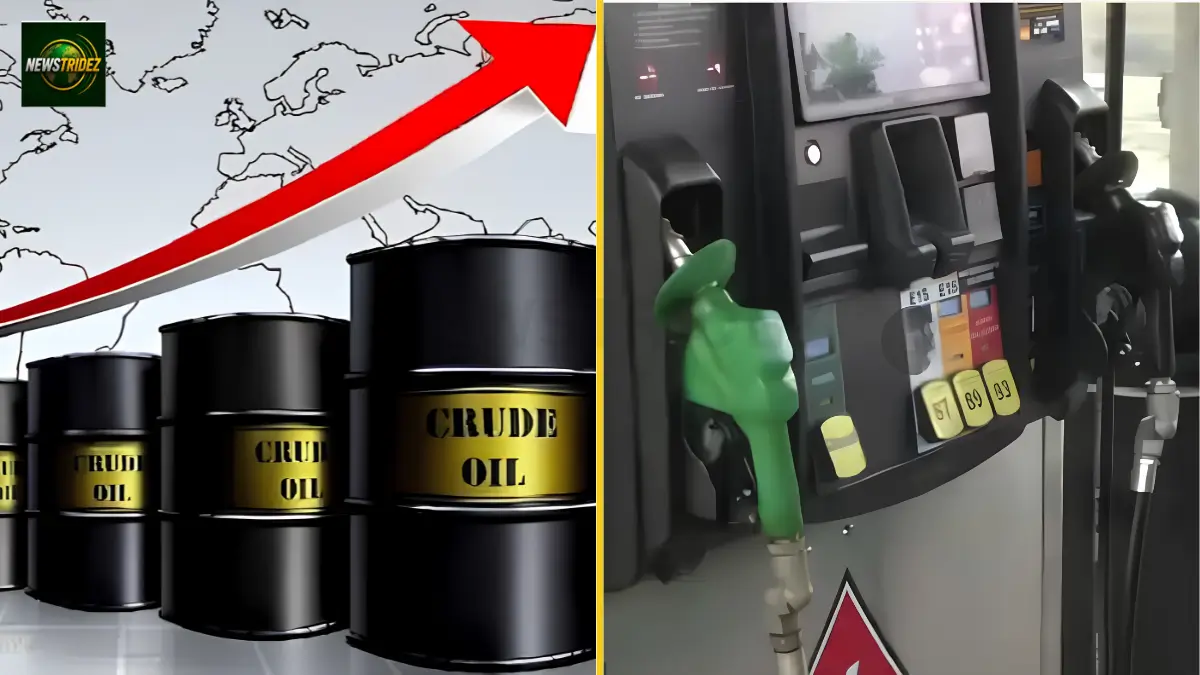

The Dangote petrol price has climbed again despite a sharp fall in crude prices. The refinery raised its gantry rate to N1,200 per litre from Wednesday, August 26, putting fresh pressure on Nigerian motorists.
LAGOS, NIGERIA —The Dangote petrol price has risen by N15 to N1,200 per litre despite a recent decline in international crude prices, with the latest adjustment taking effect on Wednesday, August 26, 2026. The increase comes just five days after the refinery raised its price from N1,165 to N1,185 per litre.
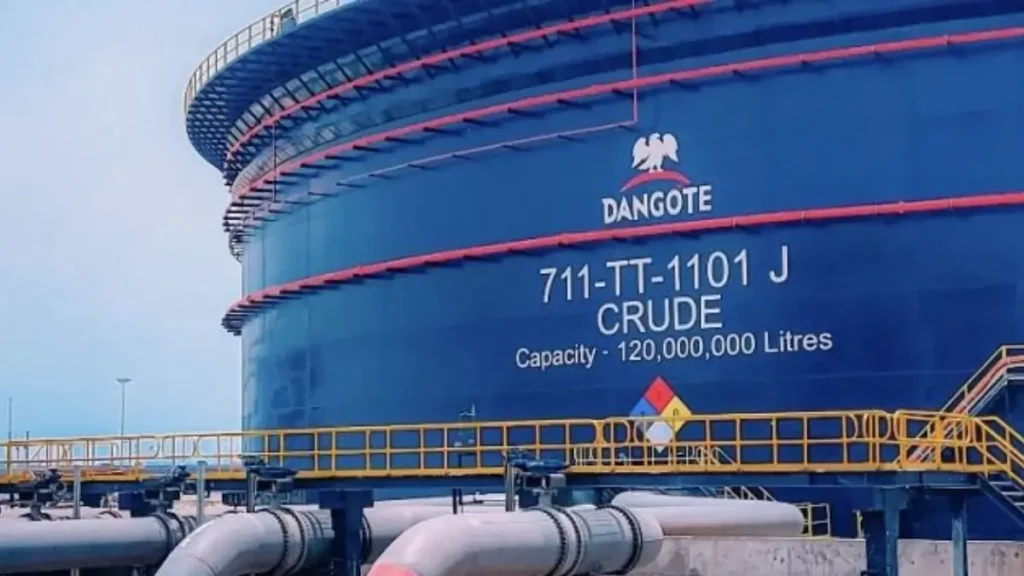
The latest increase means Dangote Petroleum Refinery has added N35 to its petrol gantry price within five days. The refinery raised the price by N20 to N1,185 on August 21 before announcing the latest N15 increase. The development could put additional pressure on petrol marketers, transport operators and households if retailers pass the higher acquisition cost to consumers.
According to the latest price communication issued to customers by the refinery’s Group Commercial Operations, the new PMS price moved from N1,185 to N1,200 per litre. The refinery also increased its coastal delivery price from N1,562,265 to N1,582,380 per metric tonne. Customers received instructions to return existing loading documents for repricing before new loading arrangements could resume.
The timing has raised fresh questions because international crude prices have moved in the opposite direction. Brent crude stood at about $93.48 per barrel when Dangote announced its previous increase on August 20, but it later fell to roughly $88.48 per barrel. That represents a decline of about $5 per barrel within days, even as the refinery added another N15 to its petrol price.
The latest movement also follows a period of sharp volatility in the international oil market. Crude prices had climbed above $93 amid concerns over supply disruptions and tensions around the Strait of Hormuz. They later retreated as traders reassessed the immediate risks to global supply, creating a more complicated pricing environment for refiners and petroleum marketers.
Newstridez‘s review of recent downstream market data shows that the latest Dangote adjustment does not automatically mean every filling station will immediately sell petrol at N1,200 or above. Retail prices also depend on transportation, logistics, dealer margins, location and the price at which individual marketers bought their existing stock. This explains why pump prices can differ significantly between Lagos, Abuja, Port Harcourt and other Nigerian cities.
The refinery’s previous N20 increase on August 21 had already placed its gantry price at N1,185 per litre, below several competing Lagos depots. At the time, Integrated Oil and Gas, African Terminals and NIPCO were selling around N1,200 per litre, while Pinnacle Oil and Gas quoted about N1,190. Dangote therefore remained slightly cheaper than several competitors despite the earlier increase.
The market has also seen significant price movements from other suppliers. Recent data showed several depots in Lagos, Warri and Calabar adjusting their PMS prices, with some operators selling above N1,200 per litre. The differences mean marketers may continue to compare Dangote’s new price with other sources before deciding whether to adjust their own pump prices.
Another factor is the changing volume of petrol supplied by Dangote to the domestic market. Data from the Nigerian Midstream and Downstream Petroleum Regulatory Authority showed that the refinery supplied an average of 25.8 million litres of PMS per day to Nigeria in July, down from 32.5 million litres per day in June. The 21 per cent decline came as petrol imports increased during the month.
For Nigerian consumers, the major concern remains whether the latest wholesale increase will reach the pump. Petrol prices affect more than motorists because higher transportation and logistics costs can feed into food prices, delivery charges, manufacturing expenses and the cost of moving goods between states. Any sustained increase therefore has implications for household budgets and businesses already facing high operating costs.
The latest development also shows the importance of watching the difference between international crude prices and domestic petrol prices. Although crude provides the main feedstock for petrol production, local fuel prices can reflect several other costs, including crude acquisition terms, refining expenses, foreign exchange movements, shipping, insurance, storage, distribution and taxes or regulatory charges where applicable.
Dangote Refinery has repeatedly adjusted its petrol prices as market conditions change. In early August, the refinery cut its PMS price from N1,215 to N1,165 per litre, a N50 reduction that raised expectations of cheaper petrol. However, the refinery subsequently increased the rate to N1,185 and has now moved it to N1,200.
The changes have also renewed attention on competition within Nigeria’s downstream petroleum market. With the Dangote refinery supplying locally refined products, marketers now have more domestic sourcing options than they had when Nigeria relied heavily on imported petrol. However, price competition has not eliminated volatility, particularly when global oil markets experience sudden changes.
For motorists, the immediate impact will depend on how filling stations respond to the new depot rate. Some stations may retain existing prices until they exhaust cheaper stock, while others could adjust quickly if they purchase fresh supplies at the new N1,200 rate. Consumers may therefore continue to see different petrol prices even within the same city.
The Dangote petrol price increase comes at a time when crude markets have started falling from their recent highs, making the timing of the latest adjustment likely to attract further debate among consumers and industry stakeholders. The refinery’s pricing decisions, crude trends and depot movements will determine whether Nigerian motorists face another round of pump-price increases in the coming days.