
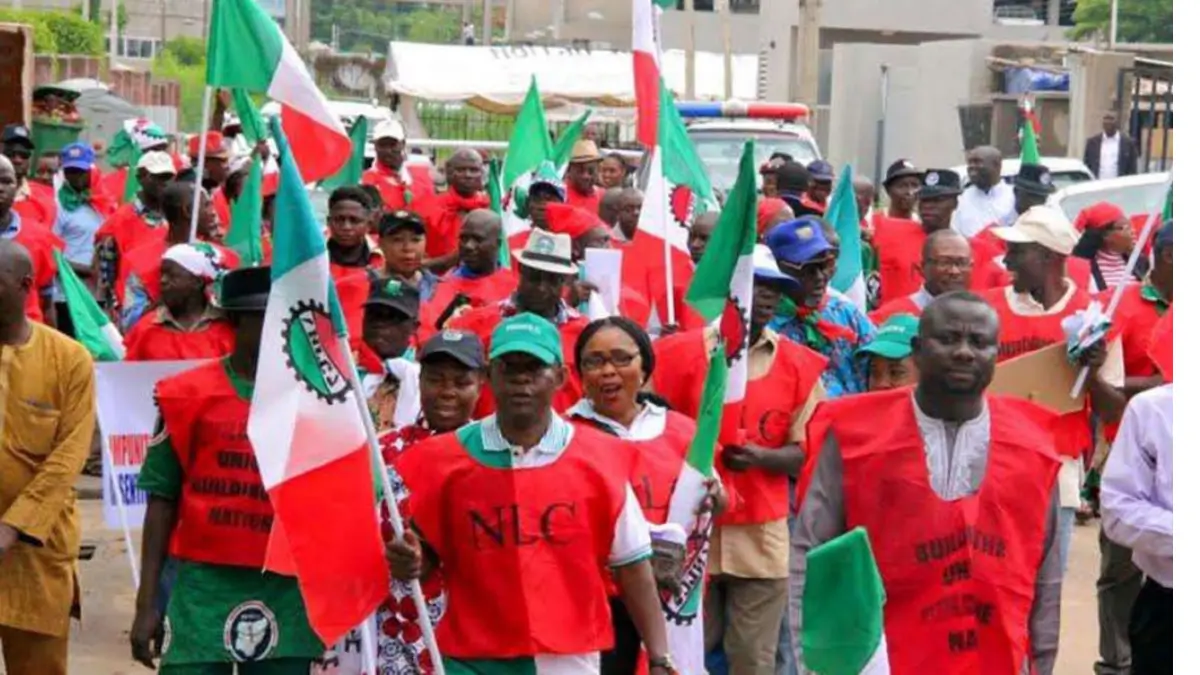
The NLC minimum wage debate has returned to the spotlight as organised labour says Nigeria’s ₦70,000 wage can no longer meet workers’ basic needs. The union is urging the Federal Government to begin fresh negotiations.
BIRNIN KEBBI, KEBBI STATE — The Nigeria Labour Congress (NLC) has called for another review of Nigeria’s national minimum wage, arguing that the current ₦70,000 benchmark has been overtaken by rising inflation and the increasing cost of living across the country. Labour leaders said workers are finding it harder to afford food, transportation, rent and other essential expenses despite the wage increase approved less than two years ago. The renewed demand comes as concerns grow over the purchasing power of Nigerian households amid persistent economic pressures.
The latest position was presented during a workers’ summit in Birnin Kebbi, where labour leaders said the wage approved in 2024 no longer reflects present-day realities. According to the union, the law provides for periodic reviews, and current economic conditions justify reopening discussions with the Federal Government. Labour representatives argued that inflation has continued to reduce the real value of workers’ earnings, leaving many families struggling to keep up with everyday expenses. They maintained that salaries should better reflect prevailing market conditions if workers are expected to maintain a reasonable standard of living.

The renewed campaign is expected to reopen conversations between organised labour, the Federal Government and state governments over what should constitute a sustainable national wage. Reports indicate that labour leaders are pushing for a significantly higher figure than the existing ₦70,000, saying any new wage should take into account inflation, exchange rate movements and the rising prices of essential goods and services. While the government has not yet announced a fresh negotiation timetable, the issue is likely to remain a major topic in discussions involving workers’ welfare and public sector finances.
For many Nigerians, the debate goes beyond salary figures. Over the past two years, households have faced higher food prices, transport fares, electricity costs and housing expenses. Economic analysts have repeatedly warned that inflation continues to reduce disposable income, particularly among low-income earners. Labour leaders argue that unless wages are adjusted to reflect these realities, many workers will continue to experience declining purchasing power despite being formally employed. At the same time, some economists caution that any significant wage increase would need to be matched by productivity growth and broader economic reforms to avoid placing additional pressure on public finances and businesses.
Newstridez can confirm that the current national minimum wage was signed into law in 2024 after lengthy negotiations between organised labour and the Federal Government, replacing the previous ₦30,000 benchmark. The agreement followed nationwide industrial actions and included a commitment that the wage would be reviewed periodically rather than remaining unchanged for many years. Labour leaders now argue that the pace of inflation has eroded much of the benefit workers initially received, making another review necessary sooner rather than later.
Attention is now expected to shift to the Federal Government, employers and state governments as discussions over workers’ welfare continue. Whether negotiations begin immediately or later in the year, the outcome could shape labour relations, government spending and household incomes across the country. Workers, employers and businesses are likely to watch closely for any official announcement on the next phase of minimum wage discussions.