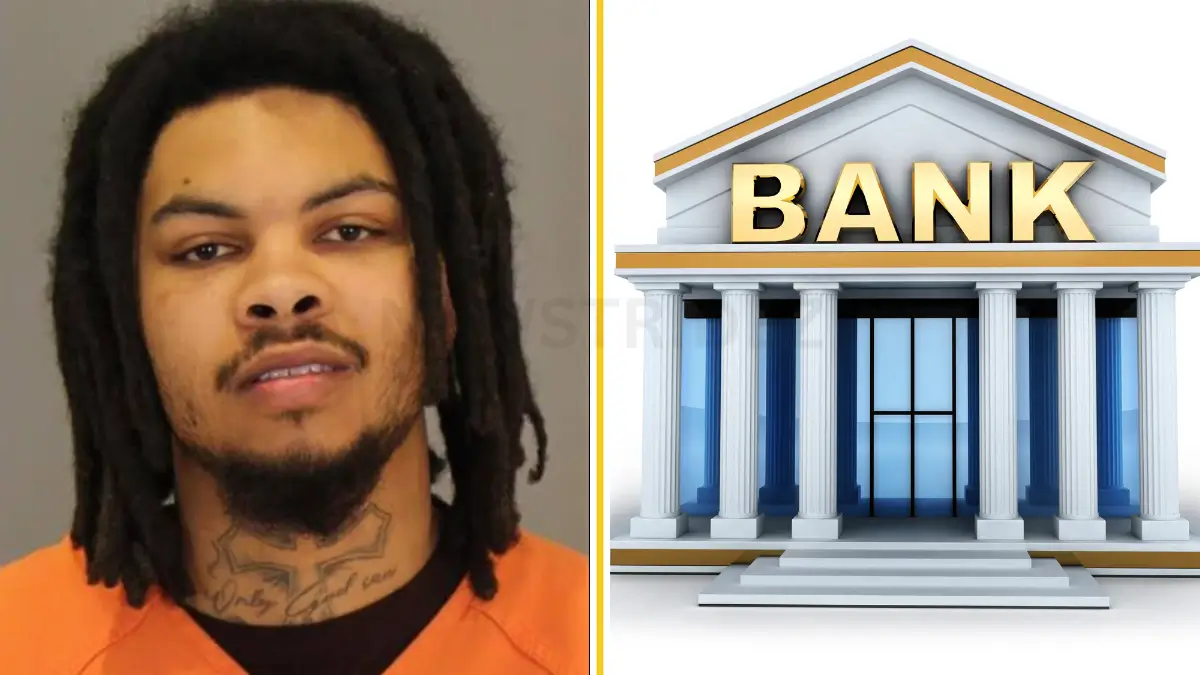
A 23-year-old man has been sentenced to more than 10 years in prison after using ChatGPT while planning an armed bank robbery in Omaha, Nebraska, in February 2026.
OMAHA, NEBRASKA, US —A federal judge has sentenced Deron Lewis-Payne, 23, to 121 months in prison after investigators found that he used ChatGPT while planning an armed bank robbery at i3Bank in Omaha, Nebraska. The robbery took place on February 10, 2026, and Lewis-Payne stole about $9,175 after threatening bank employees with a handgun.
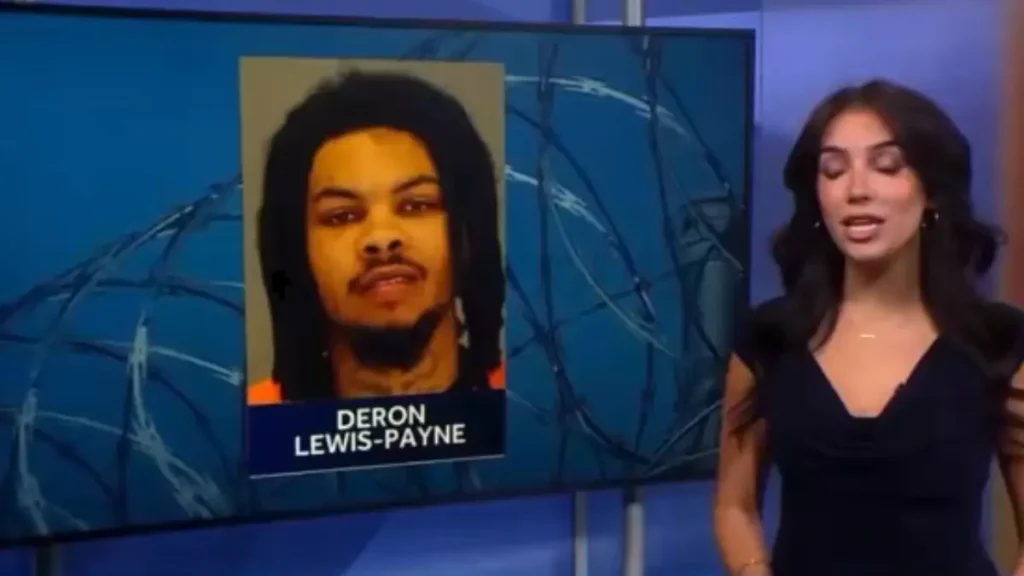
The sentence came on August 13, 2026, after Lewis-Payne faced two federal charges: bank robbery and brandishing a firearm during a crime of violence. U.S. District Judge Robert F. Rossiter Jr. imposed 37 months for the robbery and another 84 months for brandishing the firearm, with the two sentences running consecutively. The federal system does not provide parole, and Lewis-Payne will also serve five years of supervised release after leaving prison.
According to the U.S. Attorney’s Office for the District of Nebraska, Lewis-Payne entered the i3Bank at 15645 Spaulding Street while carrying a black semi-automatic handgun. He pointed the weapon at two employees and threatened to kill them if they failed to hand over money. He also instructed them not to include dye packs with the cash before fleeing with approximately $9,175.
Investigators later found evidence linking Lewis-Payne to the robbery through surveillance footage, transaction records and searches of his phone. Bank cameras captured his unmasked face and distinctive clothing, including red Nike slides. Nearby residential cameras also recorded the vehicle he used, while investigators later recovered the vehicle and much of the clothing from searches connected to his residences.
The ChatGPT connection emerged after investigators examined Lewis-Payne’s phone. According to federal prosecutors, his conversations with the AI chatbot included questions related to law-enforcement response times, stripping and repairing the handgun, and obtaining ammunition despite his status as a felon. Google Maps records on the phone also showed that he had recently searched for directions to the Omaha bank.
Newstridez reviewed the U.S. Department of Justice account of the case and found that authorities did not say ChatGPT carried out the robbery or independently planned it. Instead, investigators said Lewis-Payne used the chatbot as one source of information while preparing for the crime. That distinction matters as AI tools become more widely available, because the case concerns the alleged criminal use of an existing technology rather than an autonomous AI system committing a crime.
The robbery itself ended with Lewis-Payne fleeing the bank and later spending some of the stolen money. Surveillance and transaction records showed that he went on a shopping trip at Westroads Mall, where he used cash to buy shoes and clothing. When officers later approached him near one of his residences, prosecutors said he ran and abandoned banded cash behind him.
Police recovered $2,397 of the approximately $9,175 stolen during the robbery. They also found another currency band, the vehicle allegedly used during the crime and clothing matching what appeared in the surveillance footage. Investigators never recovered the handgun used during the robbery, according to the U.S. Attorney’s Office.
The case also highlights a growing concern for law-enforcement agencies as generative AI becomes easier for ordinary users to access. Tools such as ChatGPT can answer questions across many areas, but their potential misuse creates challenges when people attempt to obtain information that could assist criminal activity. In this case, investigators said the chatbot conversations formed part of the digital evidence recovered from the defendant’s phone.
For Nigerian readers and the wider African technology market, the case offers a warning about both the opportunities and risks surrounding rapidly advancing AI tools. Chatbots are increasingly used for education, business, coding, research and everyday tasks, but the same technology can be misused by individuals seeking help with illegal activities. The case shows why digital evidence can become important in modern criminal investigations.
The FBI investigated the Omaha robbery. Federal prosecutors said the evidence included surveillance footage, retail transaction records, vehicle information, phone data and Google Maps history. Lewis-Payne initially admitted driving the vehicle but denied involvement in the bank robbery before investigators examined the digital evidence on his phone.
Lewis-Payne’s 121-month sentence now closes the federal sentencing phase of the case. After serving his prison term, he will spend five years under supervised release. The prosecution did not recover all of the stolen money or the firearm, but investigators assembled enough evidence to establish his role in the robbery and firearm offence in federal court.
The ChatGPT bank robbery case is likely to fuel further debate about how law-enforcement agencies and technology companies should respond when generative AI tools become part of criminal investigations. For now, the Omaha case has produced a clear outcome: Lewis-Payne will spend more than 10 years in federal prison after using AI during preparations for an armed bank robbery.