
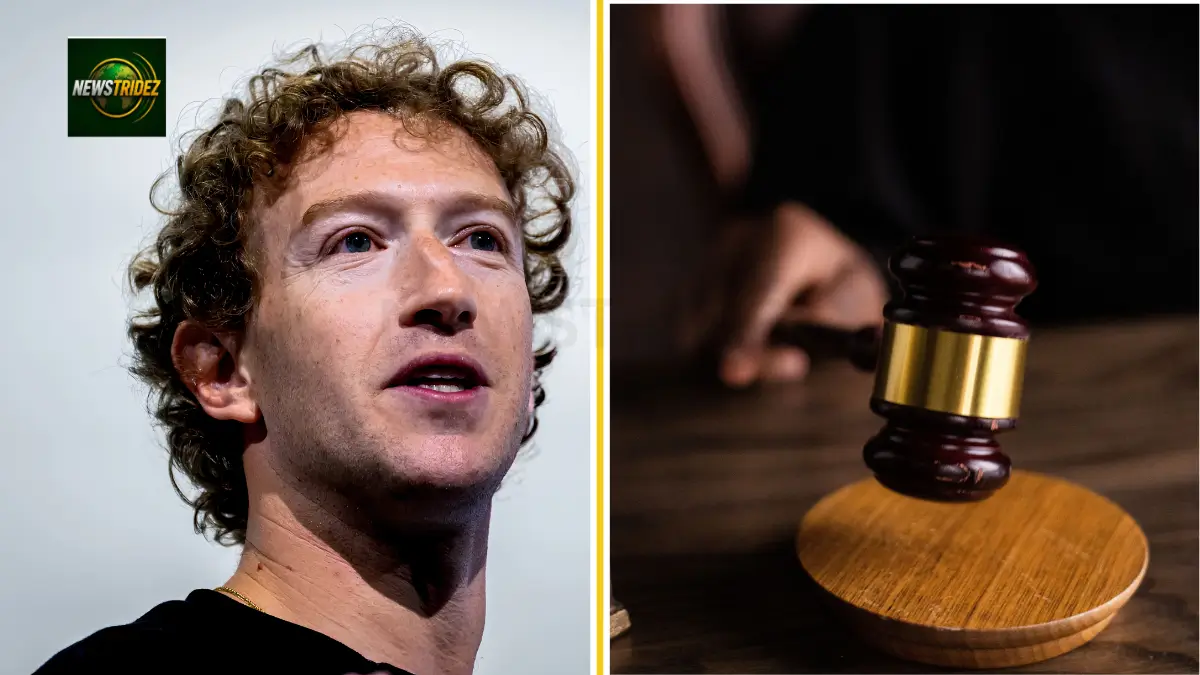
Mark Zuckerberg could testify in a landmark Meta lawsuit kids case in California. Twenty-nine US states accuse Meta of designing Facebook and Instagram to keep young users engaged and collecting children’s data illegally.
OAKLAND, CALIFORNIA, USA — Mark Zuckerberg, chief executive of Meta Platforms, could appear in a US federal court as 29 states accuse the technology company of designing Facebook and Instagram in ways that allegedly encourage compulsive use among children and teenagers. The trial began in Oakland on Tuesday, August 18, 2026, and could last several weeks.

The case represents one of the biggest legal challenges Meta has faced over the impact of its social media platforms on children. California, Colorado, Kentucky and New Jersey are leading the case, while the broader coalition includes 29 state attorneys general. The states accuse Meta of putting user engagement and advertising revenue ahead of child safety and misleading the public about risks linked to its platforms.
The financial figure attached to the case has attracted global attention. Meta disclosed in a July court filing that the four states leading the federal trial were seeking penalties that could reach $1.4 trillion if the states win. That figure represents a potential maximum based on the way the penalties could be calculated, not an amount a court has already ordered Meta to pay.
The states are also seeking changes to how Facebook and Instagram operate. Their case challenges features such as infinite scrolling and other product designs that prosecutors say encourage young users to spend more time on the platforms. The legal action also alleges that Meta collected information from children under 13 without the required parental consent, in violation of federal child privacy law.
Meta has rejected the allegations and is defending itself in court. The company argues that it has introduced measures aimed at protecting young users, including parental controls, time-management tools and restrictions on accounts belonging to children below the permitted age. Meta also disputes the states’ argument that its products were deliberately designed to harm children.
The trial gained fresh momentum after a former Meta engineer, Arturo Béjar, testified about the company’s approach to underage users and online safety. Béjar, who worked at Meta as an engineer and later as a contractor, told the court that the company followed what he described as a “don’t ask, don’t tell” approach towards children using its services.
Béjar also alleged that Meta had tools capable of identifying underage users but did not make enough use of them. He told the court that product development and employee incentives placed strong emphasis on engagement, which meant keeping users on the platforms for longer periods. His testimony forms part of the states’ wider argument that Meta knew about risks to young users but failed to respond adequately.
The states have also presented internal company research as part of their case. Prosecutors argue that Meta had evidence showing that Instagram could cause harmful effects among teenagers but continued using product features that increased engagement. They say features such as infinite scroll and frequent notifications encouraged users to remain on the platforms for longer periods.
Meta disputes that interpretation of its internal material. The company says the evidence has been taken out of context and maintains that it has worked to make its services safer for young people. The defence is expected to argue that social media does not have a simple or proven causal relationship with every mental health problem affecting adolescents and that the company has taken steps to address legitimate safety concerns.
The case could have consequences far beyond the courtroom. If the states succeed, the judge could order Meta to change parts of Facebook and Instagram’s design and impose substantial financial penalties. Legal experts have also cautioned that the $1.4 trillion figure represents a potential maximum and that an actual award could be much lower.
The lawsuit also comes after other legal setbacks for Meta over alleged harm to children. In New Mexico, a separate case resulted in a judgment of about $942 million against the company, along with orders requiring changes aimed at improving online safety. Other lawsuits involving Meta, TikTok, Snapchat and YouTube have also emerged across the United States as governments and families seek greater accountability from social media companies.
For Nigerians, the case carries relevance because Facebook and Instagram have millions of users across the country, including teenagers and young adults. Any court-ordered changes to age verification, recommendation systems, notifications, advertising or other features could eventually influence how major social media platforms operate globally, even though the current case centres on US law.
The trial is expected to hear evidence from former employees, parents, government officials and Meta executives. Zuckerberg and Instagram chief Adam Mosseri are among the senior Meta figures expected to testify, although the timing of any appearance will depend on the court proceedings. The trial could continue for roughly six weeks or longer.
The Meta lawsuit kids case now puts one of the world’s biggest technology companies under intense scrutiny over how it designs and operates platforms used by billions of people. Meta continues to deny wrongdoing, while the states are pushing for financial penalties and major safety changes. The final outcome could influence not only Facebook and Instagram but also the wider global debate over children, social media and technology.