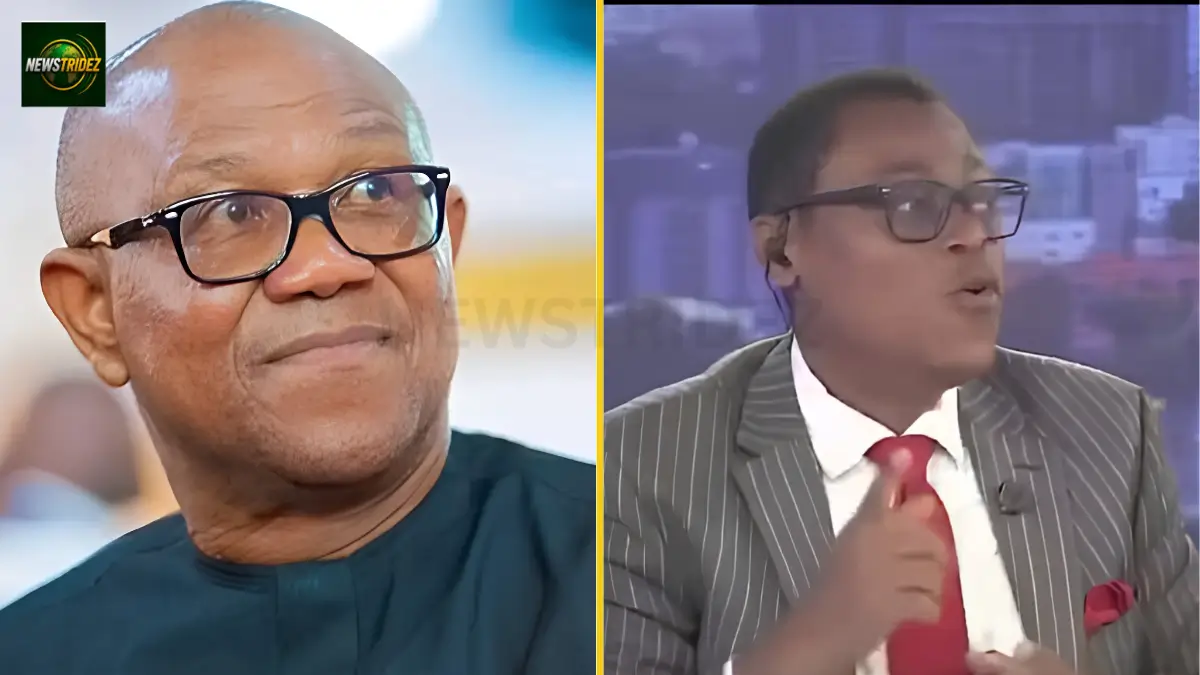
Former Anambra governor Peter Obi has explained how he built his wealth before politics, citing businesses, major franchises and bank investments during an interview shared online in Nigeria.
ABUJA, NIGERIA — Former Anambra State governor Peter Obi has explained how he accumulated his wealth before entering politics, pointing to his business career, international franchises and investments in Nigerian banks during an interview that has resurfaced online.
According to the interview shared by broadcaster Rufai Oseni, Obi discussed his business history while responding to questions linked to previous allegations over offshore assets. The conversation has attracted fresh attention after Oseni challenged Nigerian politicians to explain publicly how they made their money before entering public office.
None of them can try it 😂😂 https://t.co/Psetlx3xiI
— Davido (@davido) September 12, 2026
Reviews by Newstridez show that Obi said he built his financial base through private business before becoming governor of Anambra State. He mentioned running a brand and market management company, holding the sole franchise for Heinz products in Nigeria and working as an agent for South African Breweries and other international companies.
Newstridez also reviewed the details discussed in the interview and found that Obi linked part of his wealth to investments in the banking sector. He said he held substantial shares in two or three banks and served as chairman of at least one bank before entering government. He also described his earlier business operations as a major source of his financial standing.
Obi further said his business interests extended into food retail after he left the company he had built. According to his account, his brother later took over the business, which became associated with a Cash and Carry retail operation in Nigeria. He presented the business history as evidence that his wealth existed before he became a political office holder.
The former governor also referred to his years in the United Kingdom while explaining his financial position. He recalled having an American Express Platinum card, describing it as an early card issued to a limited number of customers globally. Obi used the example to argue that his financial capacity was established long before he became governor.
Obi’s explanation comes as old questions surrounding his finances have returned to public discussion. The former governor became a subject of the Pandora Papers investigation, which linked him and members of his family to offshore companies established before and during periods when he held no political office.
Obi has previously denied wrongdoing in relation to the offshore arrangements. He said the funds involved came from his years in business and maintained that he did not use the structures to launder money. He also said he resigned from companies before taking office as governor, a point that has featured prominently in his earlier responses to questions about the investigation.
The latest interview, however, has shifted attention towards a wider political question: how Nigerian politicians accumulated their wealth before seeking public office. Oseni raised that issue after Obi explained his business history, asking whether other politicians could provide similar accounts of how they made their money.
The question has gained attention because wealth and asset declarations remain sensitive issues in Nigerian politics. Candidates regularly face scrutiny over their businesses, properties and financial interests, particularly when they campaign on transparency, accountability and responsible management of public funds.
Obi’s account also places his political career alongside his earlier experience in business and banking. He became governor of Anambra State in 2006, returned to office in 2007 and served until 2013. Before that period, he had spent years in the private sector, where he said he developed the business interests that supported his wealth.
The former governor’s financial history has previously come under detailed scrutiny following the Pandora Papers revelations. Reports at the time linked him to companies including Next International (UK) Limited and Gabriella Investments Limited, while Obi maintained that the structures were legitimate and connected to his investments and family interests.
The issue became politically significant because the offshore arrangements existed around periods before and during his public career. Obi said he had resigned from his companies before becoming governor and rejected suggestions that the offshore structures represented proceeds from public office. His position remains his account of the matter and should be considered alongside the records and reporting that generated the questions.
The latest discussion has also triggered reactions from Nigerians online, with some praising Obi for publicly discussing his business background while others have called for similar explanations from politicians across political parties. The debate has moved beyond Obi’s personal finances to the wider question of transparency among people seeking elective office.
Oseni’s challenge has also drawn attention because Obi is preparing for another presidential contest. The former Anambra governor remains one of the prominent opposition figures in Nigeria and has continued to speak about government spending, corruption, economic management and accountability as the 2027 election approaches.
For Obi, explaining his wealth before politics is closely tied to his broader argument about public service. He has repeatedly presented himself as a businessman who entered government with an established financial base rather than someone who built his wealth through political office.
However, the explanation does not by itself settle every question surrounding his financial history. Claims concerning offshore companies, asset declarations and tax arrangements remain separate matters that require documentary evidence and proper scrutiny rather than political assumptions.
The renewed interest also shows how quickly old interviews can return to public attention when they touch on issues that matter to voters. In this case, Obi’s explanation of his business career has become part of a larger conversation about whether Nigerian politicians should openly account for their wealth before asking citizens to trust them with public resources.
As at the time of filing this report, Obi had explained his wealth by pointing to his pre-political business career, international franchises, banking investments and other private interests. The interview did not amount to a new asset declaration, but it has renewed public discussion around the former governor’s financial history.
The debate is expected to continue as Nigeria moves closer to the 2027 election, with voters likely to demand greater clarity from presidential contenders over their finances, businesses and records in public office. For Peter Obi wealth, the latest interview has reopened an issue that has followed his political career for years — how he made his money before entering government.