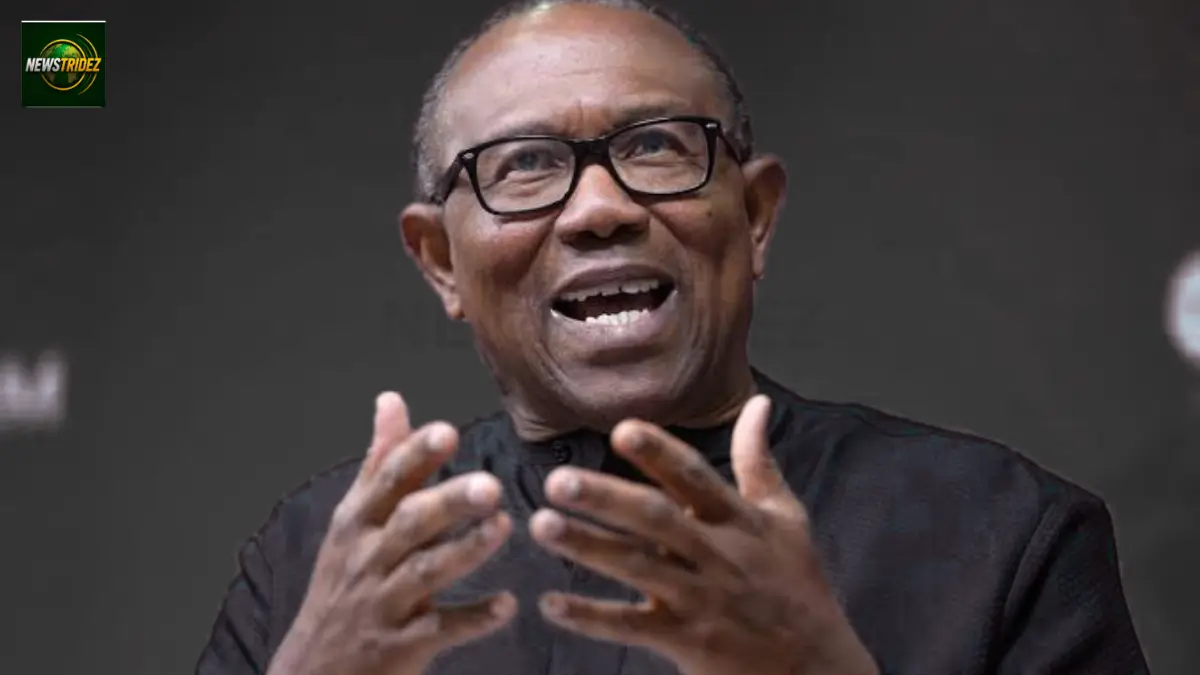
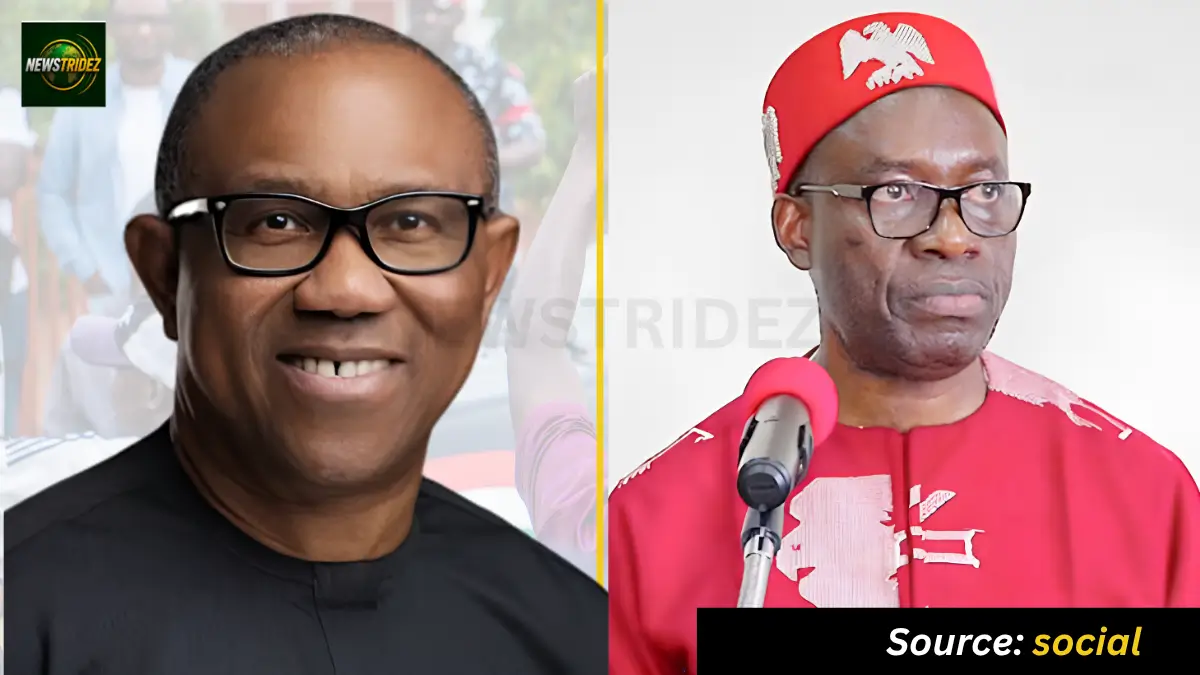
Peter Obi has released his 2014 Anambra handover report as evidence in his growing debt dispute with Governor Charles Soludo’s government, which says old loans and other liabilities remain outstanding.
AWKA, ANAMBRA — Former Anambra State Governor Peter Obi has released his 2014 handover report amid a fresh dispute with the administration of Governor Charles Soludo over loans and financial liabilities allegedly inherited from previous governments. The document records a net balance of ₦86.67 billion at the end of Obi’s tenure, while the state government says several loans linked to his administration remain unpaid.
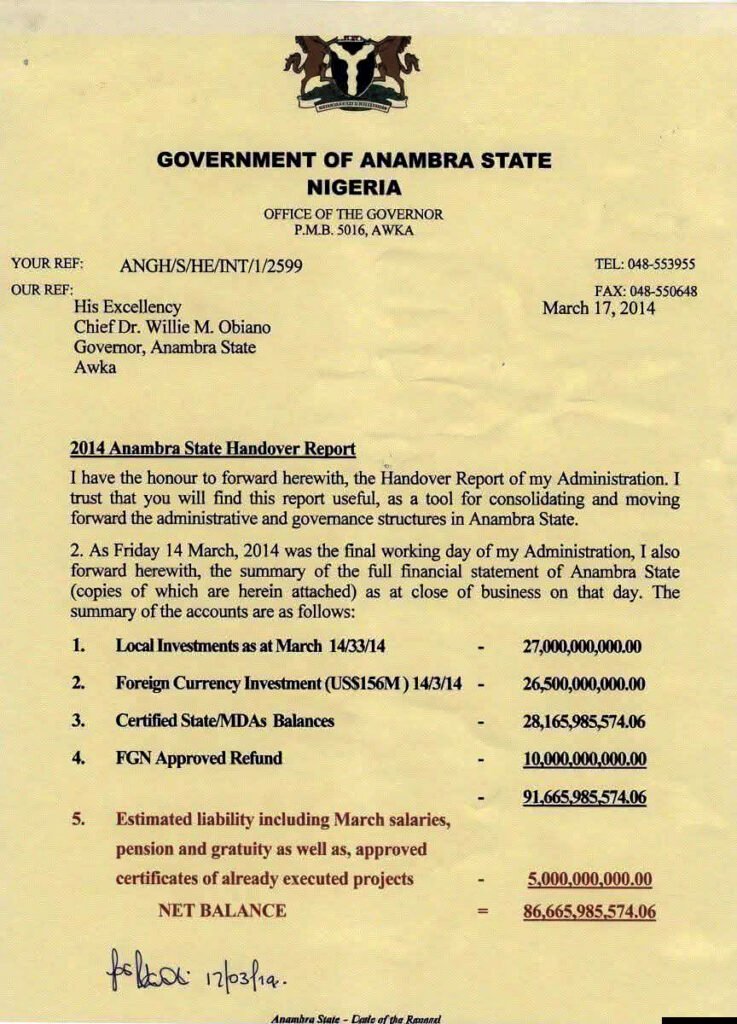
According to the handover report shared by Yunusa Tanko, the National Coordinator of the Obidient Movement, Obi formally transferred the state’s financial position to his successor, Willie Obiano, on March 17, 2014. The document summarised the position as of the close of business on March 14, the final working day of Obi’s administration, and listed investments, government balances and an expected Federal Government refund before deducting estimated liabilities.
Newstridez reviewed the figures contained in the published handover report alongside the Anambra Government’s separate debt records, and the two sides are presenting different pictures of the state’s financial obligations. Obi’s document records a positive balance after estimated liabilities, while the current government points to external loans that it says remained outstanding after he left office.
The report lists ₦27 billion in local investments, ₦26.5 billion in foreign-currency investments, equivalent at the time to US$156 million, ₦28.17 billion in certified state and ministry balances, and a ₦10 billion Federal Government-approved refund. Together, those figures produced a listed balance of ₦91.67 billion before the document deducted ₦5 billion in estimated liabilities. The resulting net balance stood at ₦86.67 billion.
The document also stated that the estimated liabilities included March salaries, pensions, gratuities and approved certificates for projects that had already been executed. Obi’s covering letter to Obiano said the financial statement represented the state’s position as his administration handed over power.
The release followed a renewed disagreement over whether Obi left Anambra with outstanding loans. The dispute began after the state Commissioner for Finance, Izuchukwu Okafor, said the Soludo administration was still servicing loans inherited from previous administrations, including governments led by Obi and Obiano. Okafor also said the Soludo administration had not taken fresh commercial bank loans since assuming office.
Obi rejected the claim and challenged the state government to provide evidence showing that his administration left the liabilities being attributed to it. He said he would stop campaigning for the 2027 presidential election if the government could establish that he left the state with the debts in question.
The Anambra Government subsequently released its own account. In a statement signed by Commissioner for Information and Value Reorientation Law Mefor, the government said eight external loans connected to projects implemented during, or inherited by, Obi’s administration remained outstanding.
Mefor said the outstanding balance on those loans stood at $92.35 million, which the state government valued at about ₦127.37 billion as of June 30, 2026. The government said it based the figures on the latest debt records available to it and argued that the obligations continued to form part of the state’s financial commitments.
The government’s position creates a key point of disagreement with Obi’s handover document. The report released by his camp describes the state’s financial position at the point of handover, while the Soludo administration is referring to loans it says were still legally outstanding and continued to require repayment.
Data reviewed by Newstridez shows that the two positions do not necessarily address the same financial question in identical terms. Obi’s document records assets, balances and estimated liabilities as at March 2014, while the state government’s latest figures track specific external loans and their outstanding balances through June 2026.
The distinction has become central to the political dispute because the argument is no longer simply about whether Anambra had debt. Both sides are now contesting which obligations should be attributed to Obi’s administration, which were inherited from earlier governments, and how those obligations should be reflected in the state’s financial records.
The Anambra Government has also challenged Obi’s earlier statement concerning salaries, pensions and gratuities. Mefor said the state had records of unpaid obligations involving retired teachers and Water Corporation workers, among others. The commissioner said some of those liabilities remained unresolved, directly contradicting Obi’s account that his administration had cleared the obligations it was responsible for.
Another disputed issue involves an alleged ecological fund account. The state government said a certified printout from a First Bank account cited by Obi did not support his claim about an ecological fund balance of more than ₦2 billion. According to Mefor, the account was a consolidated revenue account and the state’s records did not show the alleged amount as an inflow or balance.
Obi’s camp has now placed the handover report at the centre of its response. The document was published by Tanko, who also challenged former governors of Anambra State to release their own handover notes so that the public could compare the financial positions transferred between administrations.
The report’s figures provide a snapshot of the state’s position at the end of Obi’s administration, but they do not by themselves settle the later claims over debt servicing. Questions remain about the individual loan agreements, the dates they were contracted, whether they were inherited from earlier administrations, and how repayments affected the state’s subsequent debt position.
The Anambra Government has identified eight external borrowings in its response. Punch reported that the loans covered areas including malaria control, erosion management, education and healthcare, and that the state continued to make repayments on the obligations.
The dispute comes as Obi campaigns for the presidency under the Nigeria Democratic Congress ahead of the 2027 election. His record as Anambra governor has therefore returned to public debate, with supporters and critics examining documents from his eight-year tenure and the financial position he transferred to Obiano.
For Anambra residents, the dispute has a practical dimension beyond the political arguments. Outstanding loans can affect the amount of state revenue available for new projects when governments must continue servicing old obligations. At the same time, determining which administration incurred each liability matters when assessing the state’s financial history.
The competing claims also underline the importance of independently verifying government financial records. The handover report released by Obi’s camp and the debt figures published by the current administration provide different pieces of the dispute, but the documents require careful comparison to determine how the figures relate to individual loan agreements and repayment schedules.
The controversy has also attracted attention because Obi has publicly tied the debt allegations to his 2027 campaign. His statement that he would stop campaigning if the claims were established has raised the political stakes, although the underlying financial questions remain matters of documentary evidence and competing interpretations.
Meanwhile, the Soludo administration has maintained that its figures came from official debt records and that it is not disputing the existence of the financial position recorded in Obi’s handover note. Its argument centres on the continuing obligations attached to specific external loans and other liabilities.
The latest handover report therefore does not end the disagreement. Instead, it gives Obi’s camp a contemporaneous document from the 2014 transition that can be examined alongside the debt records now being cited by the Anambra Government.
The next stage will likely depend on further examination of the loan agreements, state financial statements, debt records and payment history. Those records could help establish when individual obligations originated, who contracted them and how much remained outstanding at different points.
As at the time of filing this report, Peter Obi and the Anambra State Government remained divided over the state’s inherited financial obligations. Obi’s handover report records a net balance of ₦86.67 billion after estimated liabilities, while the government says eight external loans linked to his administration remained outstanding, with a combined balance of $92.35 million as of June 30, 2026.
The dispute is expected to continue as both sides defend their records and explanations. For now, the 2014 handover report has become the latest document in a wider argument over Anambra’s finances, with the competing claims likely to remain part of the political debate ahead of the 2027 presidential election.