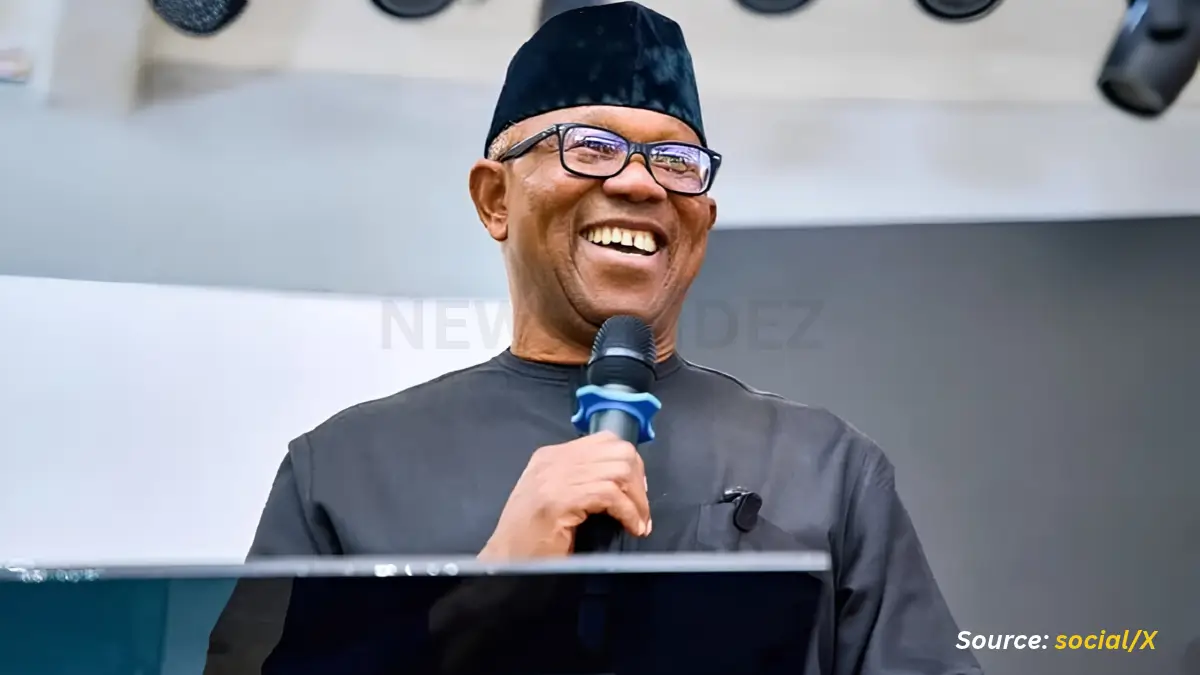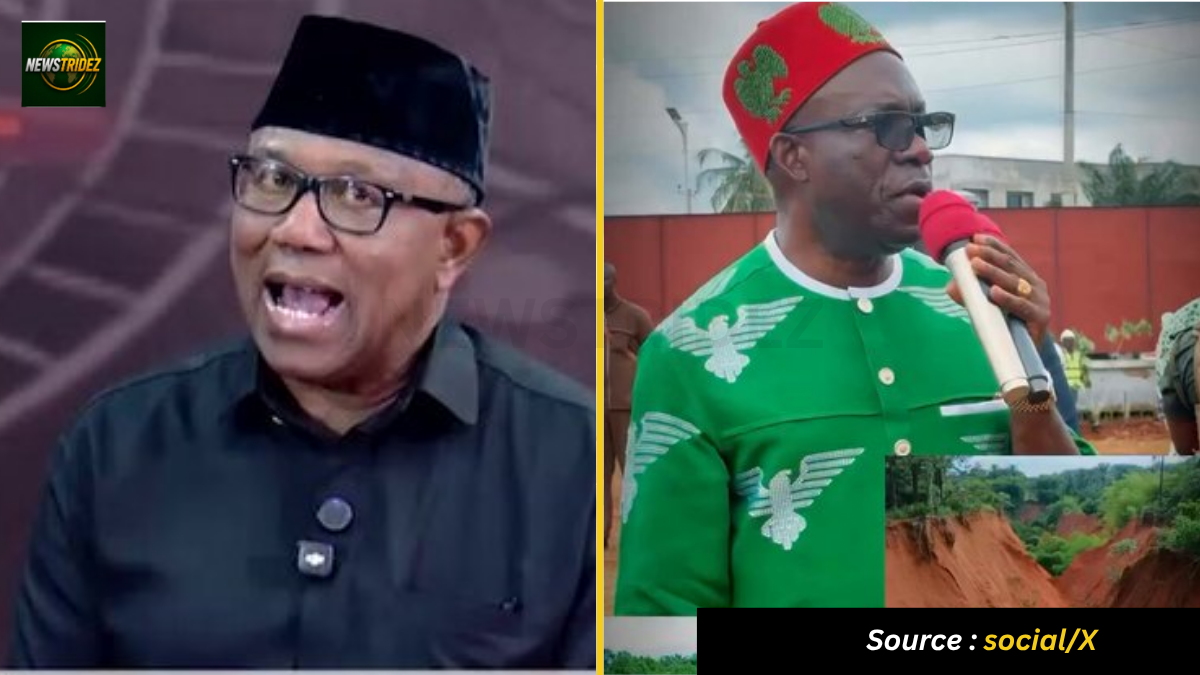
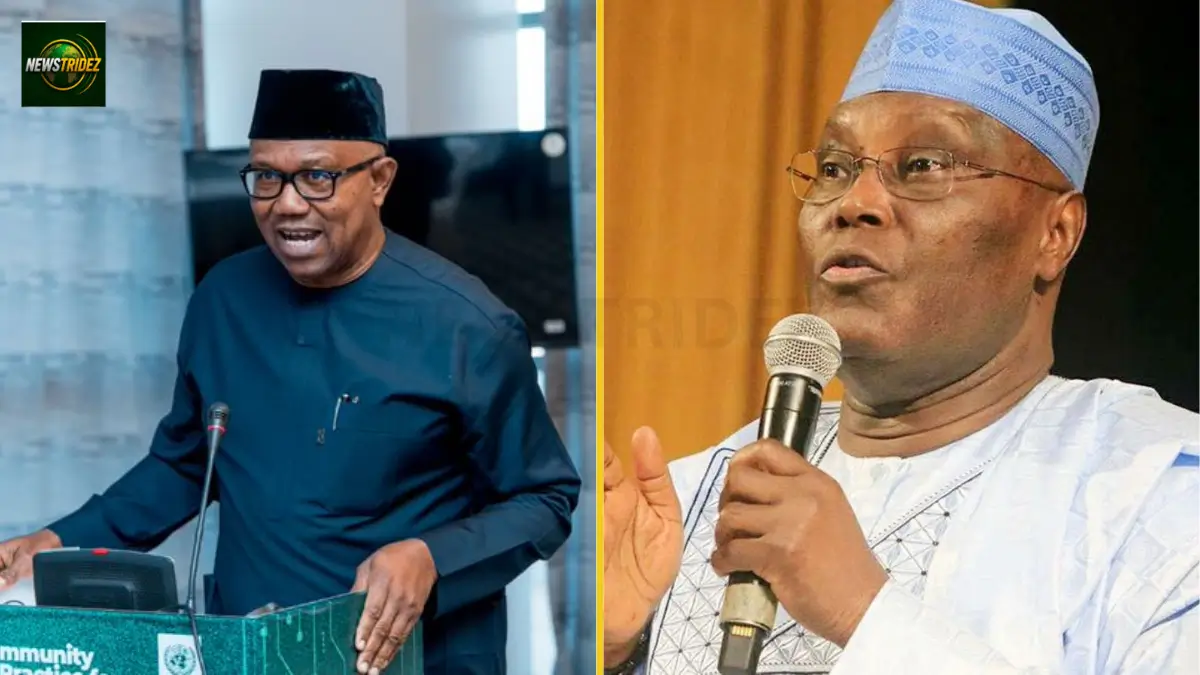
Atiku Obi Makinde are resisting pressure to withdraw from the 2027 presidential race, creating a major obstacle for opposition groups seeking one candidate to challenge President Bola Tinubu.
ABUJA, NIGERIA — Former Vice-President Atiku Abubakar, former Anambra State governor Peter Obi and Oyo State Governor Seyi Makinde have maintained their presidential ambitions ahead of the 2027 election, despite renewed efforts to persuade opposition candidates to unite behind a single challenger to President Bola Tinubu.
The latest development has complicated the G-100 Alliance’s plan to produce a consensus presidential candidate. A member of the group, Ambassador Umanu Elijah, said consultations were continuing and expressed confidence that the coalition would agree on a candidate by September 30.
Newstridez reviewed the latest statements from the political camps and reports on the G-100 negotiations. The review shows that the biggest challenge facing the opposition is no longer simply agreeing to cooperate, but deciding which presidential candidate should surrender his ambition and support another.
Elijah said the G-100 had already held its first summit in Abuja and was working towards a single candidate. He said the group had not yet adopted any aspirant but was consulting with candidates and political parties behind the scenes.
He specifically pointed to a recent meeting between Obi and Makinde as evidence that discussions were continuing. According to him, the group expects to settle on a consensus candidate before the end of September and then approach other presidential candidates and parties for support.
Atiku’s camp, however, has made it clear that the former vice-president remains in the presidential race. A senior ally told The PUNCH that Atiku was open to discussions with opposition leaders but insisted that he would contest the 2027 election.
The ally argued that Atiku had been at the centre of the opposition coalition project that eventually produced the African Democratic Congress as a platform for the anti-APC alliance. He said other opposition figures should rally behind Atiku because of what he described as his capacity to defeat the ruling party.
Atiku’s position is significant because he already holds the ADC presidential ticket. Any decision to step aside would therefore require more than a personal announcement; it could affect the party structure and the wider coalition arrangement built around his candidacy.
Obi’s camp has also continued to present him as a strong contender. The Nigeria Democratic Congress said the former Anambra governor remained one of the strongest candidates and maintained that the party was open to discussions about a single opposition candidate.
The NDC’s National Publicity Secretary, Osa Director, said cooperation with other parties did not mean the party lacked the capacity to win on its own. He maintained that Obi had the popularity and credibility to emerge as the consensus candidate if opposition negotiations eventually reached that stage.
Makinde’s position has added another layer to the negotiations. His party, the Allied Peoples’ Movement, said the Oyo governor remained firmly in the presidential race and was contesting to win rather than simply participate.
APM National Publicity Secretary Abubakar Yusuf said discussions about a possible opposition consensus were continuing but stressed that Makinde had not withdrawn for any candidate. He also suggested that Makinde could still emerge as the consensus choice.
The three politicians are now operating from different political platforms. Atiku is the ADC candidate, Obi is running under the NDC, while Makinde secured the APM ticket. Their separate candidacies have made the opposition’s earlier plan for a unified presidential ticket much more difficult.
The problem is not limited to the three leading contenders. Other opposition presidential candidates have also rejected pressure to withdraw.
African Action Congress candidate Omoyele Sowore said he would not step down simply because opposition politicians agreed on a single candidate. He argued that a successful alliance must be based on a shared ideology, clear programme and commitment to fundamental reforms rather than an arrangement designed only to remove the APC from power.
The Democratic Leadership Alliance has similarly rejected the single-candidate arrangement, while the Action Democratic Party said its candidate would not step down for another aspirant. The ADP instead said it would welcome candidates willing to support its own flag bearer.
The disagreement exposes the central weakness of the opposition’s coalition strategy: every major candidate believes he has a credible path to victory, while their supporters have invested heavily in separate political structures.
The issue had already threatened an earlier opposition coalition. Atiku, Obi, Rabiu Kwankwaso and Makinde were previously part of efforts to build a united platform, but they eventually moved onto separate political paths. Vanguard reported before the G-100 summit that the unresolved question of who would step down remained the biggest obstacle to a unified opposition ticket.
The stakes are high for the 2027 election. If the opposition fields several strong candidates, votes against Tinubu could be divided across multiple platforms. That could give the incumbent an advantage even if dissatisfaction with government policies remains strong among sections of the electorate.
The opposition must therefore settle two separate questions: whether its parties can agree on common policies and whether the leading presidential candidates are willing to sacrifice their individual ambitions for one ticket.
For now, Atiku, Obi and Makinde remain in the race. The G-100 says negotiations will continue, with September 30 set as its target for reaching a consensus.
Whether any of the three eventually steps down—or whether the opposition enters the 2027 election with multiple presidential candidates—could become one of the defining factors in the contest against Tinubu.