The opposition summit opens in Abuja with parties seeking a strategy to defeat President Bola Tinubu in 2027. But disagreements over alliances and a consensus candidate remain.
ABUJA, NIGERIA — Opposition parties and political actors are converging in Abuja on Monday, August 31, 2026, for an opposition summit organised by the G-100, with discussions expected to focus on building a common political front capable of challenging President Bola Tinubu and the ruling All Progressives Congress in the 2027 presidential election.
The meeting, scheduled for the Shehu Musa Yar’Adua Centre, comes as opposition leaders struggle to turn repeated calls for unity into a workable electoral alliance. The G-100, led by former Progressives Governors Forum Director-General Salihu Lukman, says the immediate goal is to establish a framework for cooperation rather than decide who will receive the opposition’s presidential ticket.
The Social Democratic Party and Peoples Redemption Party have confirmed their participation, with the SDP expected to attend alongside its presidential candidate, Adewole Adebayo, and national leadership. The PRP has also confirmed that it will attend. The Peoples Democratic Party, however, has distanced itself from the meeting, saying it is not aware of any opposition summit and has no arrangement with another party for an alliance outside its own structures.
That split captures one of the biggest problems facing the opposition ahead of 2027. While several political leaders agree that a fragmented opposition could make it easier for Tinubu to secure another term, the parties remain divided over leadership, party structures, presidential ambitions and the process for selecting a possible consensus candidate.
The G-100 says its summit will attempt to move the conversation beyond political statements and create a formal structure for negotiations. According to the group, participating parties could establish five specialised working groups to develop the main documents and agreements required to give opposition cooperation an institutional framework within four weeks.
The group has also stressed that cooperation should not force any party to abandon its identity. It wants the parties to determine areas where they can work together while retaining their individual structures and political interests. That approach reflects the difficulty of merging parties that already have presidential candidates, national officers, delegates and established political organisations.
The question of who eventually steps aside for whom remains the most difficult issue. Earlier opposition efforts produced agreement on the need for a united front, but major presidential contenders later pursued separate political paths. Atiku Abubakar, Peter Obi, Rabiu Kwankwaso and Seyi Makinde have all been associated with different opposition strategies and ambitions, making a single-ticket arrangement difficult to negotiate.
The opposition has already tried a similar approach in Ibadan. In April 2026, opposition leaders gathered in Oyo State and agreed to work towards presenting a single presidential candidate against Tinubu. The gathering produced the Ibadan Declaration, which also called for stronger electoral safeguards and resistance to what participants described as attempts to establish one-party dominance.
That earlier agreement, however, did not immediately produce a single opposition candidate. Political ambitions, disagreements over party platforms and competing strategies continued after the meeting. The new G-100 initiative therefore faces the task of finding a structure that can survive the more difficult stage of deciding who leads the proposed alliance.
Newstridez reviewed the latest G-100 framework alongside reports from the earlier Ibadan summit. The pattern is clear: opposition leaders have repeatedly agreed on the need for cooperation, but the harder question remains how to convert that agreement into one electoral machine. The Abuja meeting is therefore less about announcing a finished alliance and more about determining whether the parties can build a process capable of producing one.
The summit also comes as the African Democratic Congress continues to position itself as a major platform for opposition cooperation. ADC National Chairman Ralph Okey Nwosu recently said opposition leaders were consulting widely and working towards building a larger political platform capable of challenging the APC in 2027. He said several political leaders had already joined the party and that committees had been created to broaden consultations.
But the ADC itself is not the only opposition platform seeking to challenge Tinubu. The multiplication of coalition initiatives has created another complication, with different groups pursuing broadly similar objectives through separate structures. The G-100 summit therefore has to convince politicians that another round of discussions can produce something more practical than a communiqué.
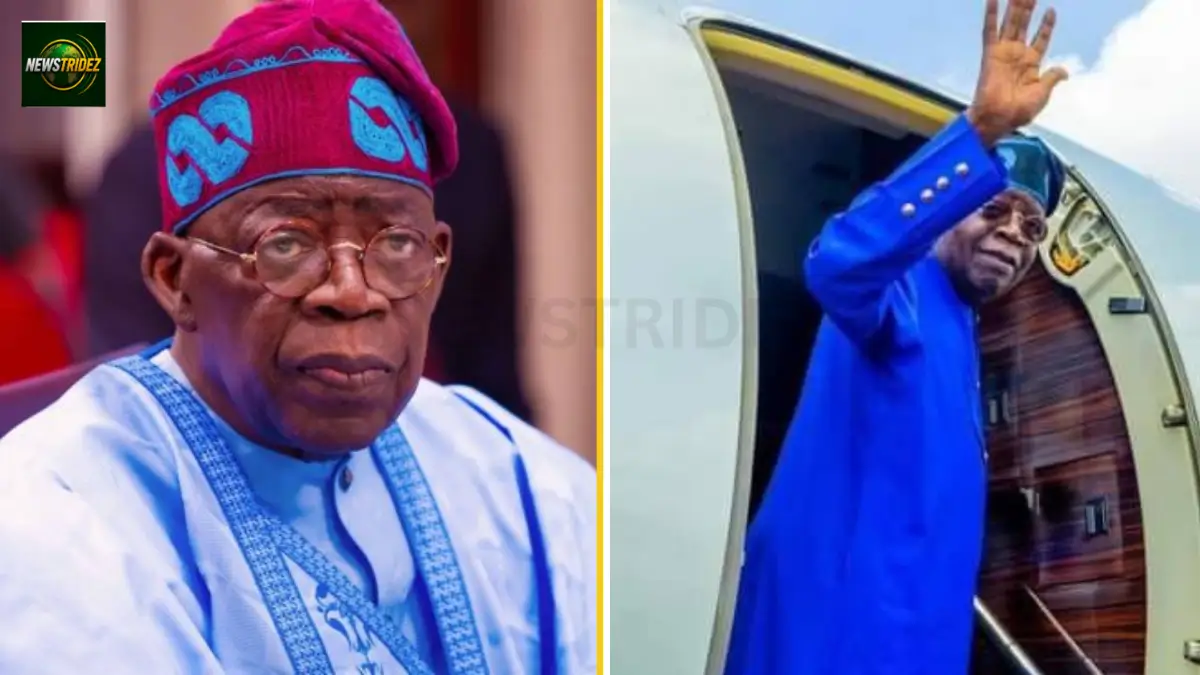
President Tinubu, meanwhile, is seeking a second term under the APC. His administration has faced sustained criticism from opposition politicians over the economy, insecurity, unemployment and the effects of reforms such as fuel subsidy removal. The opposition is expected to use those issues as part of its case to voters in 2027.
The ruling camp has rejected the suggestion that opposition cooperation automatically translates into an electoral victory. FCT Minister Nyesom Wike, who has repeatedly backed Tinubu ahead of 2027, has dismissed the opposition’s current coalition efforts and argued that defeating an incumbent requires years of political organisation rather than last-minute negotiations.
Wike has also challenged the opposition to show that its emerging structures can win elections beyond major-city political meetings. He has argued that national elections require a different level of organisation from governorship contests and insisted that the opposition’s current strategy would not be enough to defeat Tinubu.
For opposition parties, however, the political calculation is straightforward. Running several strong candidates against an incumbent can split votes among parties that appeal to similar groups of voters. A single candidate could reduce that fragmentation, but only if the parties can agree on the candidate, campaign structure, policy platform and method of sharing political responsibilities.
The Abuja summit is expected to examine those issues while avoiding an immediate fight over the presidential ticket. The G-100 has said the meeting will focus on creating mechanisms for dialogue, coordination and cooperation, with participating parties expected to engage in good faith despite their different interests.
For Nigerian voters, the significance of the opposition summit will ultimately depend on what comes after the meeting. Another declaration of unity will have limited impact unless the parties can build structures across the country, agree on a credible candidate, settle their differences and present Nigerians with a clear alternative to the APC.
As at the time of filing this report, the summit had confirmed participation from the SDP and PRP, while the PDP had rejected involvement. The positions of some other major opposition figures remained unclear. The G-100 is expected to push for a formal negotiation framework, with the coming weeks likely to show whether the parties can turn the Abuja discussions into a functioning alliance ahead of 2027.
The opposition summit therefore opens another chapter in Nigeria’s race towards 2027. The parties have agreed that division could strengthen Tinubu’s position, but they still have to settle the more difficult question of who should lead a united challenge. Whether Abuja produces a workable path to that goal will determine how much weight the latest opposition push carries.