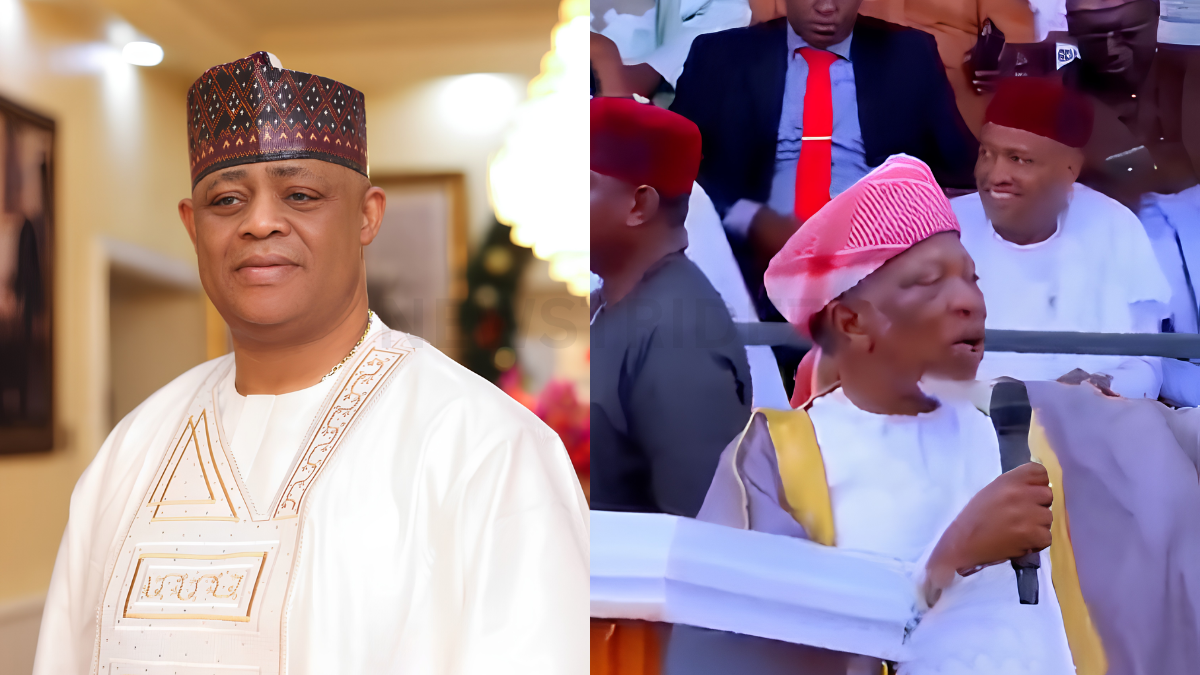
Femi Fani-Kayode has rejected Sheikh Yahaya Jingir’s push for a Muslim-Muslim ticket, calling the cleric’s remarks provocative and dangerous to national unity ahead of the 2027 elections.
JOS, PLATEAU STATE — Femi Fani-Kayode has criticised Islamic cleric Sheikh Yahaya Jingir over his renewed call for a Muslim-Muslim ticket ahead of the 2027 elections, describing the remarks as provocative and warning on Sunday, August 9, 2026, that religious rhetoric could deepen divisions in Nigeria.
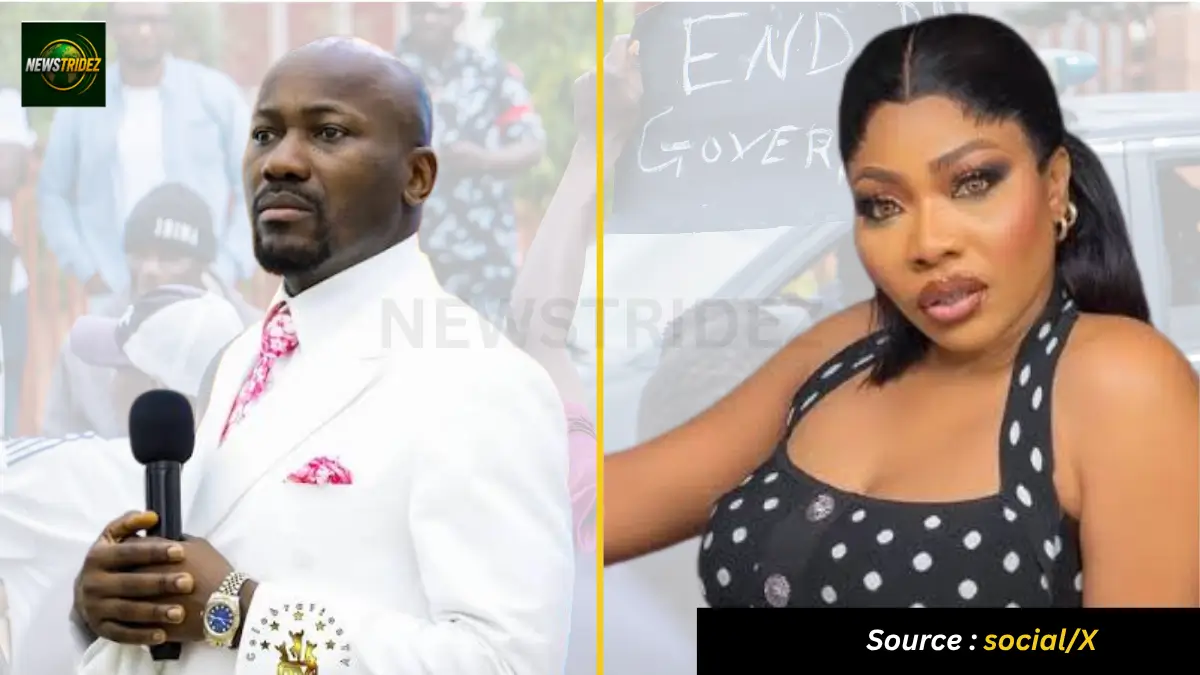
The reaction followed a viral video showing Jingir speaking at an event attended by some All Progressives Congress governors, including Kano State Governor Abba Yusuf and Jigawa State Governor Umar Namadi. The cleric praised President Bola Tinubu for introducing the same-faith presidential ticket in 2023 and urged Muslims to support another Muslim-Muslim arrangement in 2027.
Jingir said he remained a strong supporter of the arrangement and urged Muslims to obtain their Permanent Voter Cards ahead of the next general election. He also questioned criticism from Christians and other religious groups, arguing that Muslims had the same right to campaign for candidates who shared their faith. His comments quickly spread online and triggered criticism from Nigerians who viewed the message as divisive.
In response, Fani-Kayode said he respected Jingir but disagreed strongly with what he described as extremist rhetoric. In a post on X on Sunday, the former aviation minister said the comments were unhelpful and warned that such language could take the country down a dangerous path. He specifically rejected the suggestion that Nigeria belongs to one religious group.
Fani-Kayode argued that Nigeria is neither a Muslim nor Christian country but a secular, multi-religious nation. He said Nigerians should see their religious diversity as a source of strength rather than allow political competition to turn faith into a dividing line. His response comes at a time when political parties and politicians are already positioning themselves for the 2027 presidential contest.
The former minister, however, made clear that his criticism of Jingir did not amount to opposition to the same-faith ticket itself. Fani-Kayode said he supports the Muslim-Muslim ticket being backed for 2027 because of the qualities, ability, character and electoral strength of the candidates, rather than because they are Muslims. He also suggested that Nigeria could have a Christian-Christian ticket in the future.
That position is significant because Fani-Kayode previously raised concerns about a Muslim-Muslim presidential ticket before the 2023 election. He later supported the Bola Tinubu-Kashim Shettima combination, arguing that the personalities involved and their ability to govern mattered more to him than their shared religion. His latest comments therefore place his opposition to Jingir’s rhetoric alongside continued support for the political arrangement.
Newstridez reviewed the viral footage, Fani-Kayode’s X response and reports from the event and found that the immediate disagreement centres less on whether same-faith candidates can legally contest an election and more on how politicians and religious leaders frame the issue. Nigeria’s Constitution provides for freedom of religion and prohibits discrimination on religious grounds, making religiously charged campaign rhetoric a sensitive issue as the 2027 election approaches.
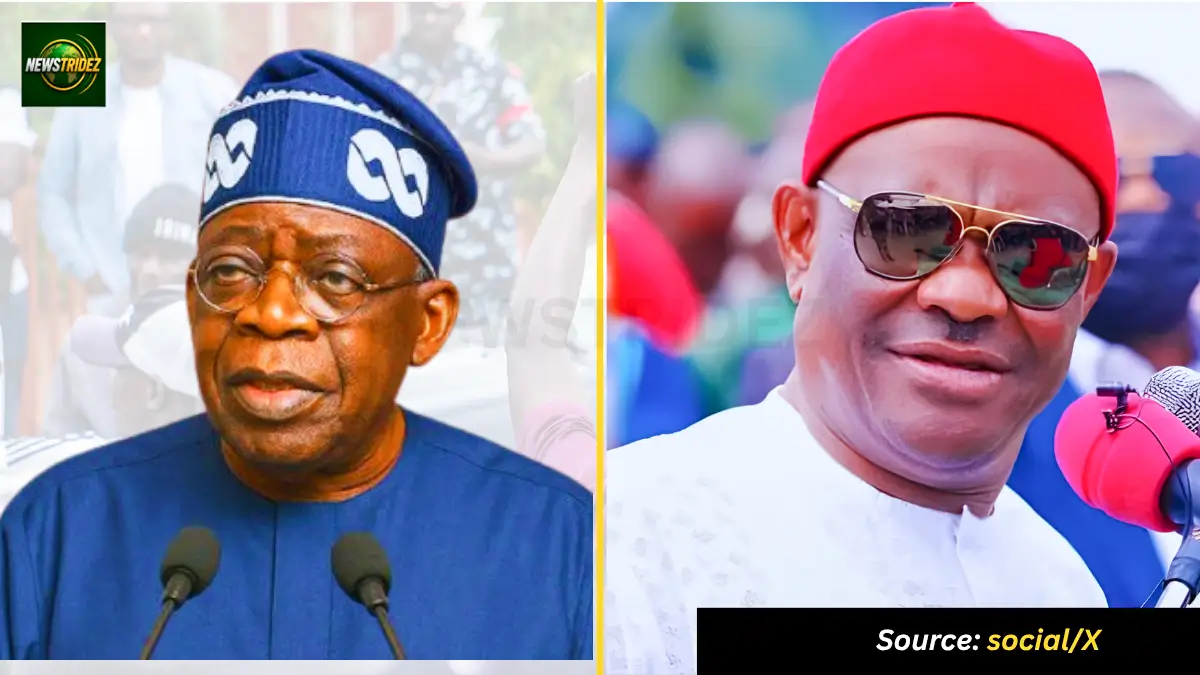
The political debate also comes against the backdrop of the 2023 presidential election, when Tinubu and Kashim Shettima became the first major presidential and vice-presidential ticket from the two leading political parties to run as Muslims in the Fourth Republic. Supporters argued that competence and political strategy should determine the choice, while opponents raised concerns about religious representation and national inclusion.
Fani-Kayode has now urged Nigerians to place national identity above religious affiliation as the country moves towards another election cycle. He said political discussions should focus on issues, policies and the character of candidates instead of allowing religion to dominate the conversation. He also maintained that Nigerians should approach the polls as citizens first, regardless of whether they are Christians or Muslims.
The exchange is likely to keep the Muslim-Muslim ticket debate alive as political groups begin organising for 2027. While Jingir has openly declared his support for another same-faith ticket, Fani-Kayode’s response shows that even supporters of the arrangement remain divided over how religious arguments should feature in political campaigns. The coming months will reveal whether the issue becomes a central campaign message or gives way to wider debates about governance, the economy and national security.