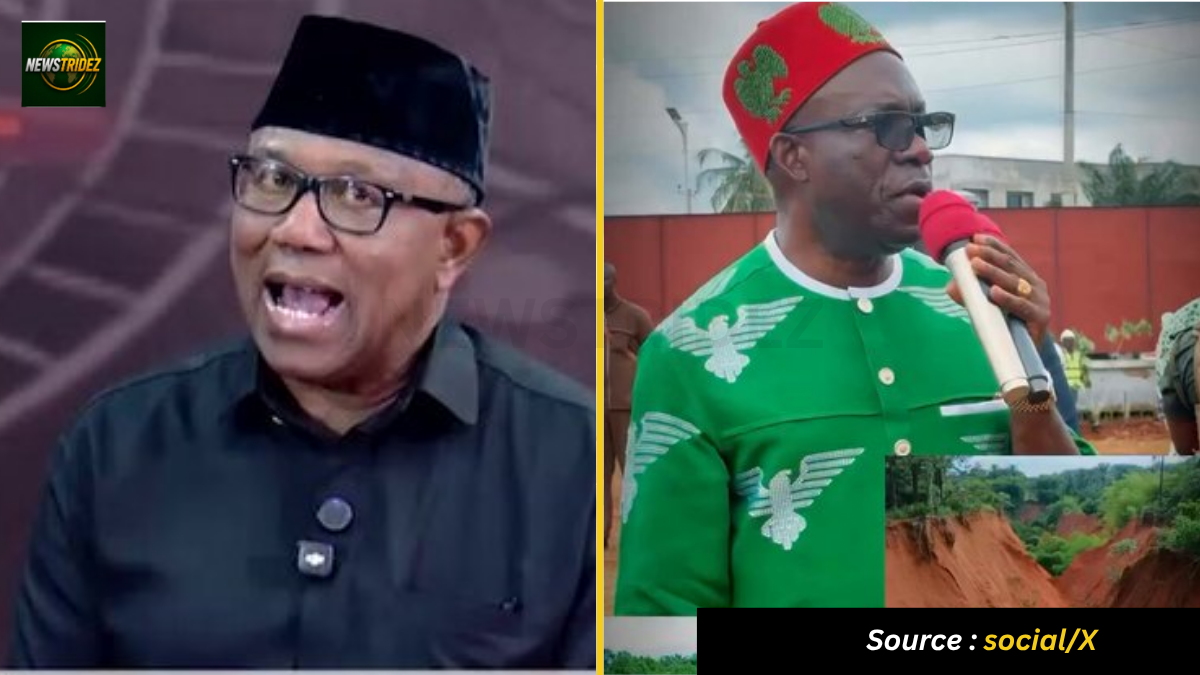
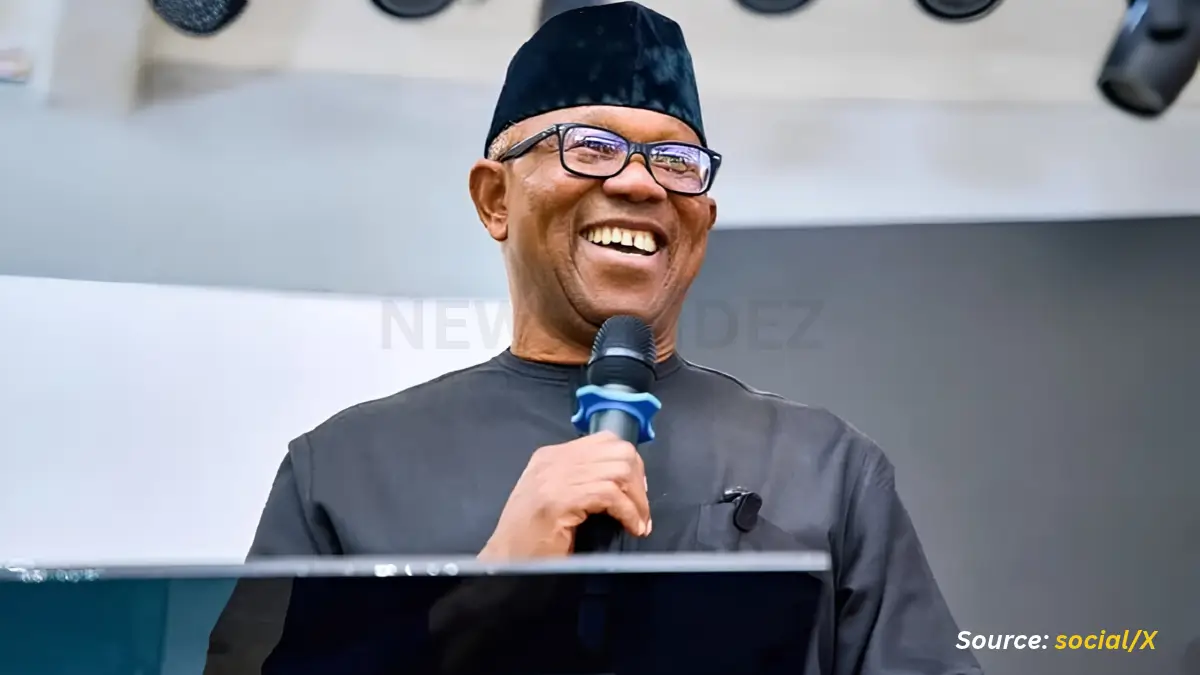
Peter Obi has renewed his call for Nigerians to unite ahead of the 2027 election, promising stronger action against insecurity, more opportunities for young people and greater accountability in the management of public funds.
The presidential candidate of the Nigeria Democratic Congress (NDC) made the remarks during recent engagements with Nigerians, including a global digital town hall, as he outlined his priorities ahead of the 2027 presidential election.
Obi said Nigeria’s major challenges do not discriminate along ethnic or religious lines, arguing that Nigerians face similar pressures from rising living costs, insecurity and limited economic opportunities.
“No tribe buys bread cheaper; no tribe buys fuel cheaper; no religion buys bread cheaper; no religion buys fuel cheaper.”
“I will make sure I prioritise love and unity among every Nigerian, regardless of the state they come from. I will make sure I tackle insecurity so that our farmers can return to their farms. I will also deal with crimin@lity in government and use the money recovered to create employment opportunities for our youths.” — NDC presidential candidate, Mr Peter Obi. 📹: BBCNewsIgbo
— CHUKS 🍥 (@ChuksEricE) October 6, 2026
He said the country needs a president capable of bringing Nigerians together and providing stronger leadership on security.
According to him, farmers cannot contribute fully to food production when they are afraid to access their farms, while businesses and communities also suffer when insecurity disrupts movement and economic activity.
Obi’s comments come as insecurity remains a major issue in the 2027 political conversation. During his recent town hall, he criticised the continued abduction of Nigerians and called for security agencies to receive the equipment, logistics and support required to tackle criminal groups.
“We want a president who will lead from the front.”
He also argued that recovered public funds should be directed towards productive purposes, particularly creating opportunities for young Nigerians rather than being lost through poor management or corruption.
Newstridez reviewed Obi’s recent policy statements and found that youth employment, agriculture and a shift from consumption to production have consistently featured in his campaign message. In Kaduna last month, he said an NDC administration would return more young Nigerians to farming and small businesses while limiting borrowing to investments that can generate economic activity.
Obi said:
“We’re no longer going to borrow money for consumption. We want to move Nigeria from consumption to production. By that, we will create jobs.”
His proposed approach places agriculture, manufacturing, small businesses and human-capital development at the centre of his economic plans.
In his August campaign address, Obi also said his administration would seek to secure farming communities, improve irrigation and rural roads, strengthen storage and connect farmers with finance and markets. He said manufacturing and agro-processing would also be expanded to increase local production and exports.
The former Anambra governor has also continued to make national unity a major part of his campaign message.
In July, he said he wanted to unite Nigeria and pointed to his travels and humanitarian activities in different parts of the country as evidence of his engagement beyond the South-East.
He has similarly argued that Nigeria’s political disagreements should not become ethnic or religious conflicts.
In his August campaign speech, Obi urged candidates to debate their records and proposals rather than campaign through ethnic or religious appeals. He also called on voters to examine the credentials and policies of all presidential contenders before making their choice.
The NDC candidate has also challenged rival presidential candidates to engage in debates on the issues facing the country.
His campaign has increasingly focused on security, jobs, production, public accountability and the need for citizens to participate actively in the electoral process.
During the October 4 global town hall, Obi also urged voters to protect their ballots in 2027 by remaining at polling units until votes are counted. He called for stronger mobilisation of polling agents and warned against allowing money or intimidation to influence electoral choices.
The NDC ticket pairs Obi with former Kano State governor Rabiu Musa Kwankwaso, who is serving as his running mate.
Obi has described the partnership as one that brings different governing experiences together, while his campaign has presented the ticket as an attempt to build support across regional and ethnic lines.
However, the campaign’s claims and proposals remain political positions that voters will have to assess alongside those of other candidates.
Checks by Newstridez showed that Obi’s current campaign message is built around several connected themes: national unity, security, production, youth employment, responsible borrowing and accountability in public spending. These themes also appeared in his formal campaign address before the latest town hall engagements.
For farmers, the security argument is tied directly to food production. For young Nigerians, the economic message centres on agriculture, small businesses, manufacturing and skills. And for voters, Obi is presenting the 2027 election as an opportunity to examine the records and proposals of those seeking the presidency.
As the 2027 campaign gathers momentum, Obi continues to frame his message around a Nigeria where ethnic and religious divisions do not determine access to opportunity or security.
His latest appeal is for Nigerians to focus less on sectional identity and more on the practical issues affecting households across the country — security, jobs, food, productive investment and accountable government.