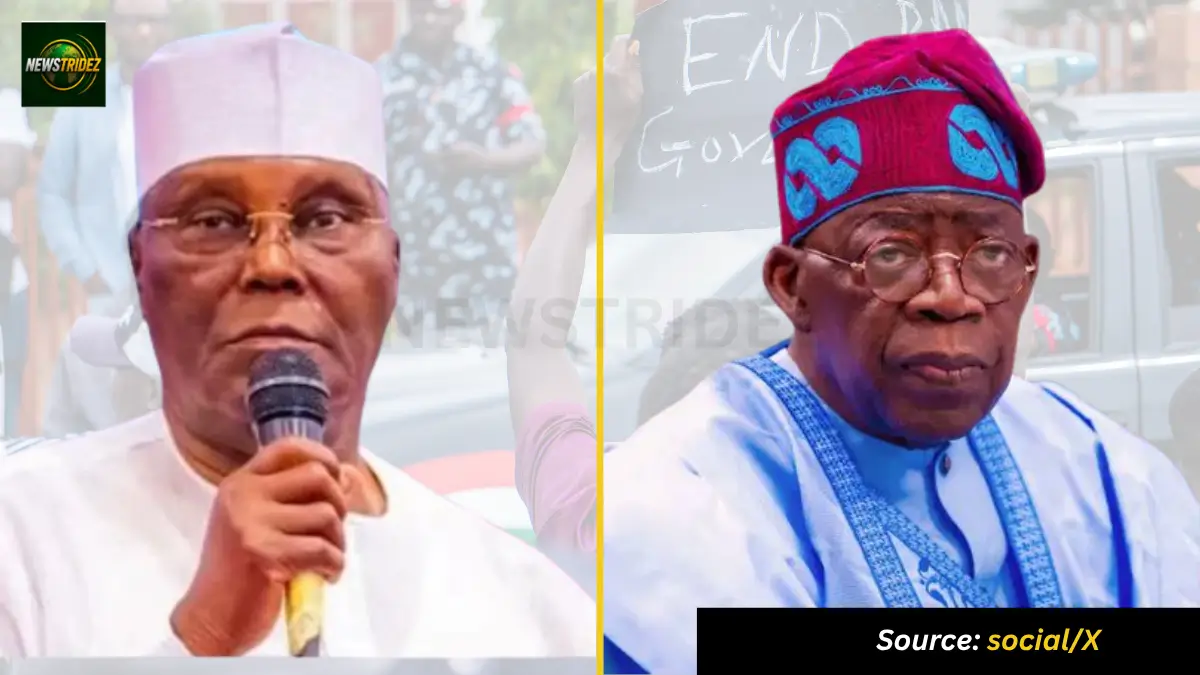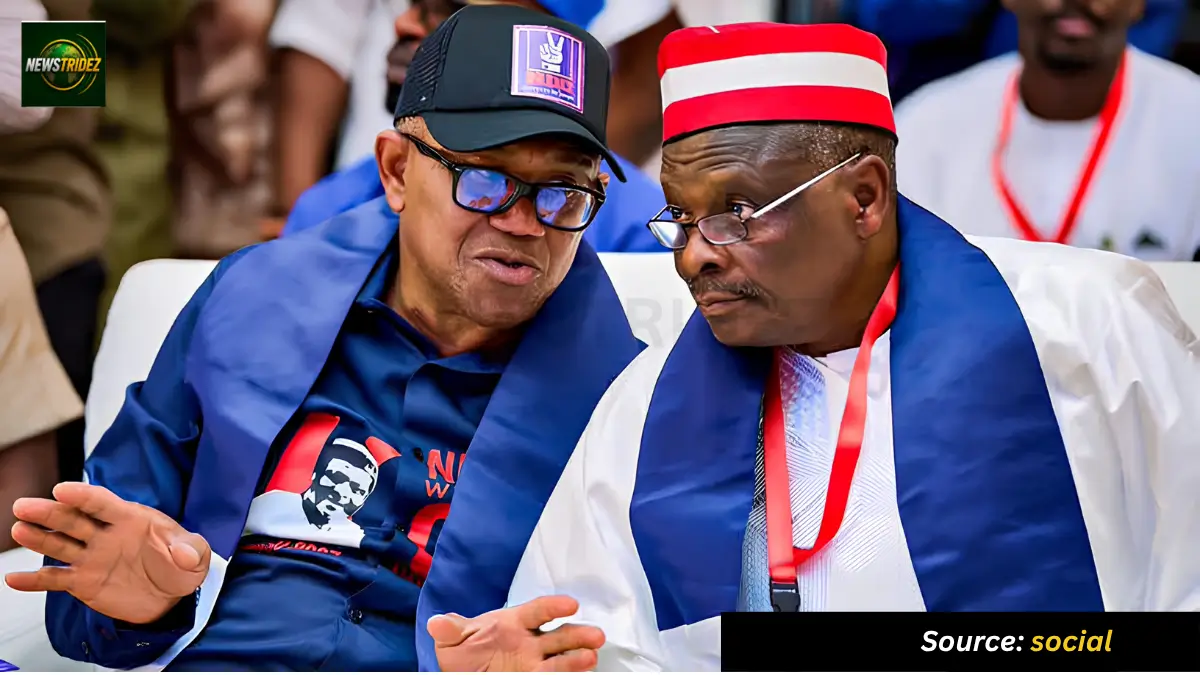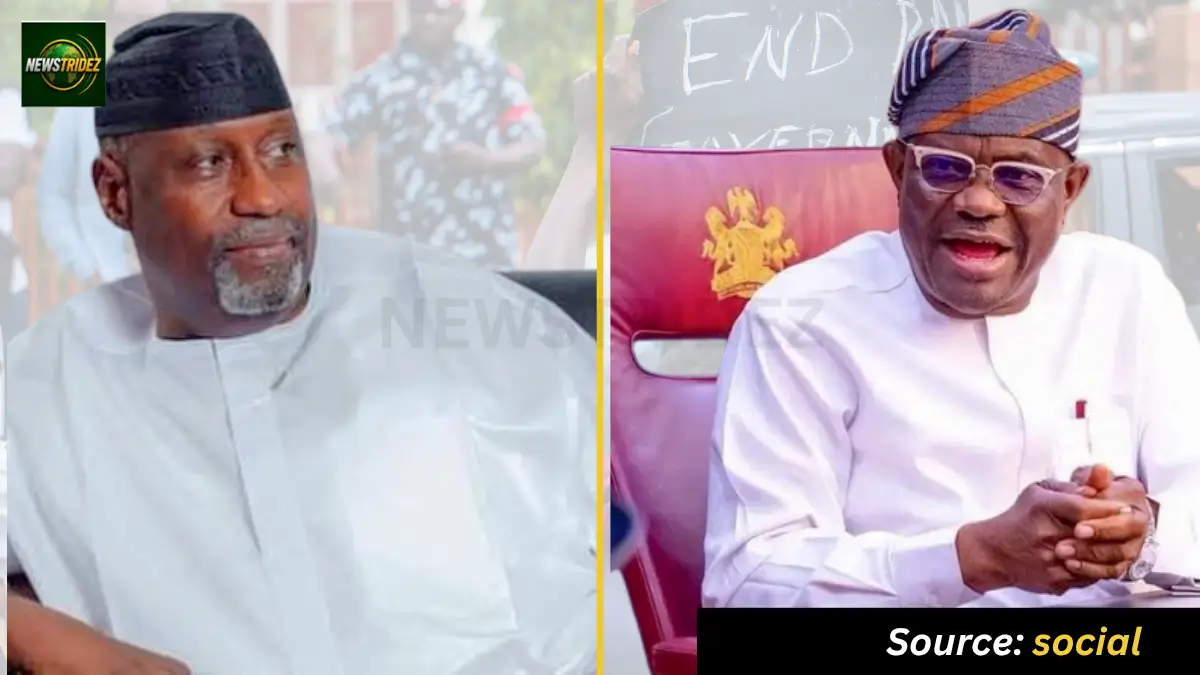
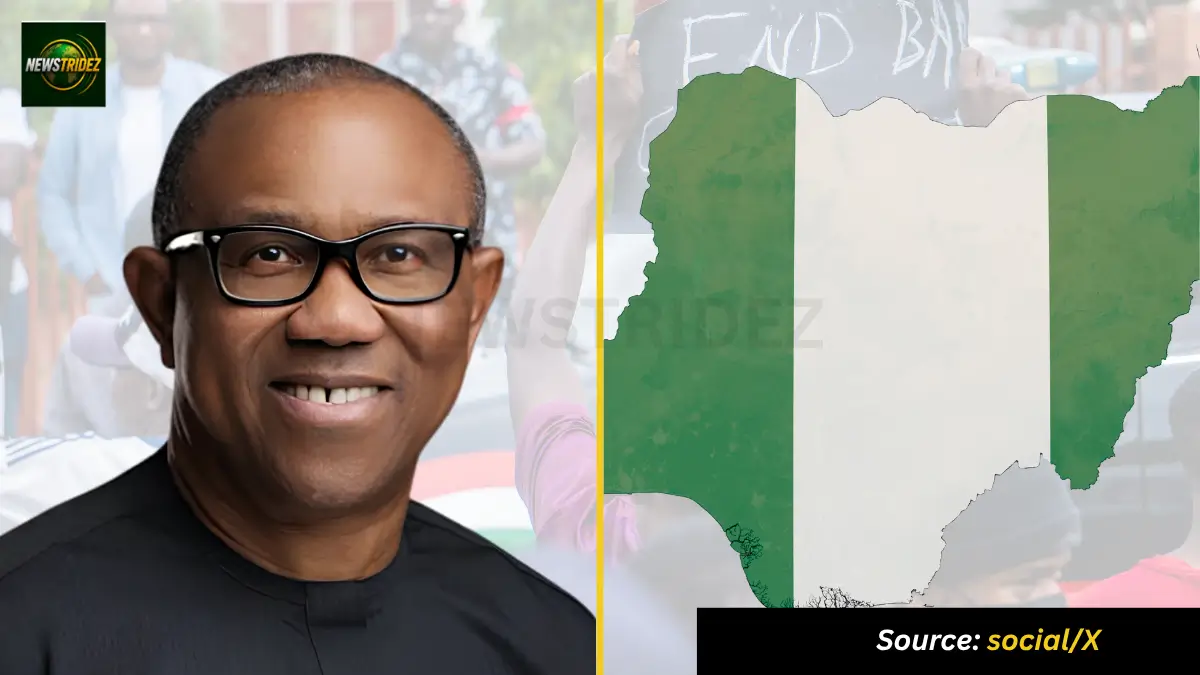
Obi supporters 2027 are sharing personal photos online from Yoruba, Tiv, Ekiti, Osun and Edo communities, presenting the posts as a show of support for Peter Obi ahead of Nigeria’s 2027 presidential election.
ABUJA, NIGERIA — Supporters of Peter Obi have continued sharing personal photographs online to express support for his 2027 presidential bid, with posts from people identifying with Yoruba, Tiv, Ekiti, Osun and Edo communities framing the campaign around national unity rather than ethnic identity.
According to the posts circulating online, the supporters want their individual photographs to show that Obi’s support extends beyond his South-East base. The former Anambra governor now represents the Nigeria Democratic Congress (NDC) in the 2027 presidential race after moving away from the Labour Party under which he contested the 2023 election.
The latest online activity comes as the 2027 political contest begins to generate more organised campaign messages, with supporters of different candidates increasingly using social media to present evidence of grassroots backing. Obi himself has repeatedly warned Nigerians against allowing ethnicity and religion to dominate political discussions ahead of the election.
Newstridez reviewed the recent online posts and the claims surrounding Obi’s record in Anambra, and the material shows two separate debates developing around his campaign: the extent of his support across ethnic groups and the financial record he left behind as governor. The latter has recently triggered a fresh exchange between Obi and the Anambra State Government.
The supporters highlighting Obi’s record have pointed to projects and interventions from his eight-year tenure as Anambra governor between 2006 and 2014. Among the issues frequently mentioned are school buses, computers, internet access, education infrastructure and efforts to improve the state’s position in national examinations.
Supporters have also used the education record to argue that Obi’s administration invested in schools rather than limiting its spending to physical infrastructure. Obi has previously spoken about visiting schools across Anambra while governor and has made education one of the areas he highlights when discussing his record in office.
A recent fact-check, however, showed the need for caution around some claims circulating online about Obi’s record. Africa Check found that a viral claim suggesting Obi promised to visit every secondary school in Nigeria if elected president misrepresented remarks he made about visiting every secondary school in Anambra while governor.
The renewed discussion about Obi’s Anambra record has also coincided with a dispute over the state’s inherited financial obligations. The Anambra State Government recently released loan records which it said showed that the state still had outstanding obligations connected to loans taken during Obi’s tenure.
According to the state government, eight external loans obtained between 2007 and 2013 amounted to $123.7 million, with an outstanding balance of $92.35 million. The government valued that balance at ₦127.37 billion as of June 30, 2026, using the exchange rate cited in its records.
The figures have become a major point of disagreement because Obi has denied leaving unpaid obligations of the kind alleged by the state government. He has maintained that he left office without unpaid salaries, pensions or gratuities and said contractors who had completed and processed their projects had also been paid.
Data reviewed by Newstridez shows that Obi’s 2014 handover document contains figures that supporters are now using to challenge the debt narrative. The document, dated March 17, 2014, listed local investments of ₦27 billion, foreign-currency investments valued at ₦26.5 billion, certified state and MDAs balances of about ₦28.17 billion and a Federal Government-approved refund of ₦10 billion.
Those figures amounted to about ₦91.67 billion, according to the document. After an estimated ₦5 billion liability covering salaries, pensions, gratuities and approved certificates for completed projects, the handover report recorded a net balance of approximately ₦86.67 billion.
The document was released publicly by Yunusa Tanko, the National Coordinator of the Obidient Movement, amid the latest dispute. Tanko challenged other former governors of Anambra State to publish their own handover documents so Nigerians could compare the financial positions left by successive administrations.
The two sets of figures address different aspects of Anambra’s finances, however. The state government is pointing to outstanding external loans and their current repayment value, while Obi’s camp is pointing to the financial position recorded at the point he handed over power to Willie Obiano in 2014.
That distinction has become important in the political debate because an outstanding loan does not, by itself, establish whether money remained in government accounts at the time of handover. Likewise, a positive cash or investment balance in a handover document does not by itself establish that no long-term borrowing obligations existed.
The disagreement has therefore moved beyond social media arguments into a contest over documents and financial records. The Anambra Government has maintained its position, while Obi has challenged anyone to establish that his administration left unpaid salaries, pensions or contractor obligations.
Meanwhile, the online campaign by supporters has focused on a different question: whether Obi can attract support beyond the regions traditionally associated with him. Posts from Yoruba, Tiv, Ekiti, Osun and Edo supporters are being presented by their authors as evidence that his political appeal is not restricted to one ethnic group.
The posts should, however, be treated as individual expressions of support rather than independent evidence of the size of Obi’s national voter base. Social media photographs can demonstrate that particular individuals or groups support a candidate, but they cannot establish how many voters across Nigeria share that position.
This distinction matters as political parties and campaign groups increasingly use social media to display support ahead of 2027. Recent fact-checking has also shown that some political supporters have circulated old campaign videos as though they were recent events, making independent verification important when assessing claims of growing support.
Obi has himself made national unity a recurring part of his political message. In June, he warned young Nigerians against political narratives that exploit ethnic and religious divisions, arguing that citizens should focus more closely on governance, competence and national development.
His supporters now appear to be reinforcing that message through personal social media posts. The photographs do not necessarily represent an organised national endorsement, but they show how individual supporters are attempting to frame the 2027 contest as one that cuts across regional and ethnic identities.
The political significance of that message will depend on whether such online expressions translate into organised support, voter mobilisation and electoral performance across different parts of Nigeria. The 2027 contest remains months away, and the campaign environment is still developing.
For Nigerians following the election, the Obi debate is therefore taking shape around both his record and his coalition-building efforts. Supporters point to his Anambra administration and cross-regional backing, while critics continue to question aspects of his financial record as governor.
The latest debt dispute has added another layer to that discussion. The Anambra Government says outstanding loans linked to Obi’s tenure remain part of the state’s financial obligations, while Obi’s camp has produced a 2014 handover document showing substantial investments and balances and continues to reject the claim that he left unpaid obligations.
As at the time of filing this report, Obi supporters 2027 remained active online, with individuals from different parts of Nigeria sharing photographs to identify themselves with the former Anambra governor’s presidential campaign. The posts show expressions of support but do not provide an independent measure of national voter preference.
The financial argument over Obi’s Anambra record also remains unresolved in the public debate. The state government has released loan records supporting its position, while Obi’s camp has cited his 2014 handover report in response. Further clarification would require a reconciliation of the historical loan records, repayments, balances and the financial position documented at the 2014 handover.
With the 2027 election approaching, both the size of Obi’s support across Nigeria and the competing claims about his Anambra record are likely to remain subjects of political scrutiny. For now, the photographs offer a snapshot of supporters presenting their preferred candidate across ethnic lines, while the financial dispute continues to generate competing claims and documentary evidence.