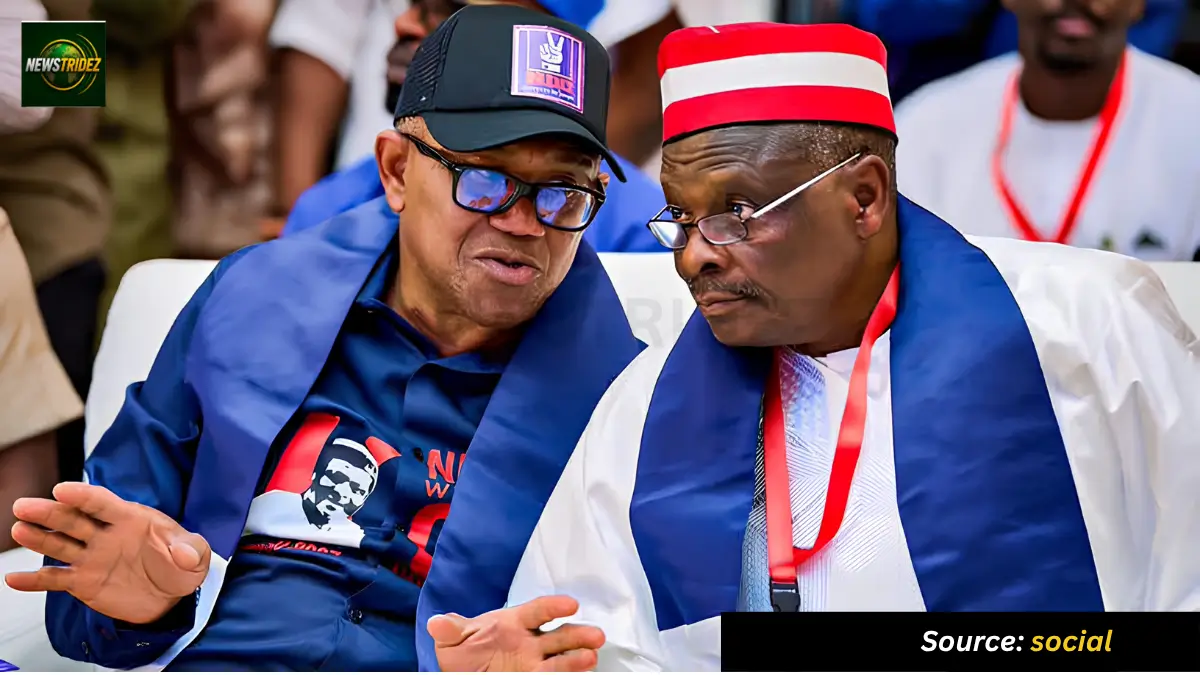
The Obi Kwankwaso movement has unveiled a 59-member presidential campaign council covering Nigeria’s 36 states and the FCT as preparations for the 2027 election gather pace.
ABUJA, NIGERIA — The Obi-Kwankwaso Movement has constituted a 59-member Presidential Campaign Council to coordinate its mobilisation activities across Nigeria ahead of the 2027 general elections, with zonal and state coordinators as well as directors assigned to key campaign departments.
According to a statement issued by the movement on Thursday, September 17, John Ughulu, the movement’s Director-General, will serve as Director-General of the campaign council, while National Secretary Saadatu Sani will serve as secretary. The structure covers the six geopolitical zones, the Federal Capital Territory and all 36 states.
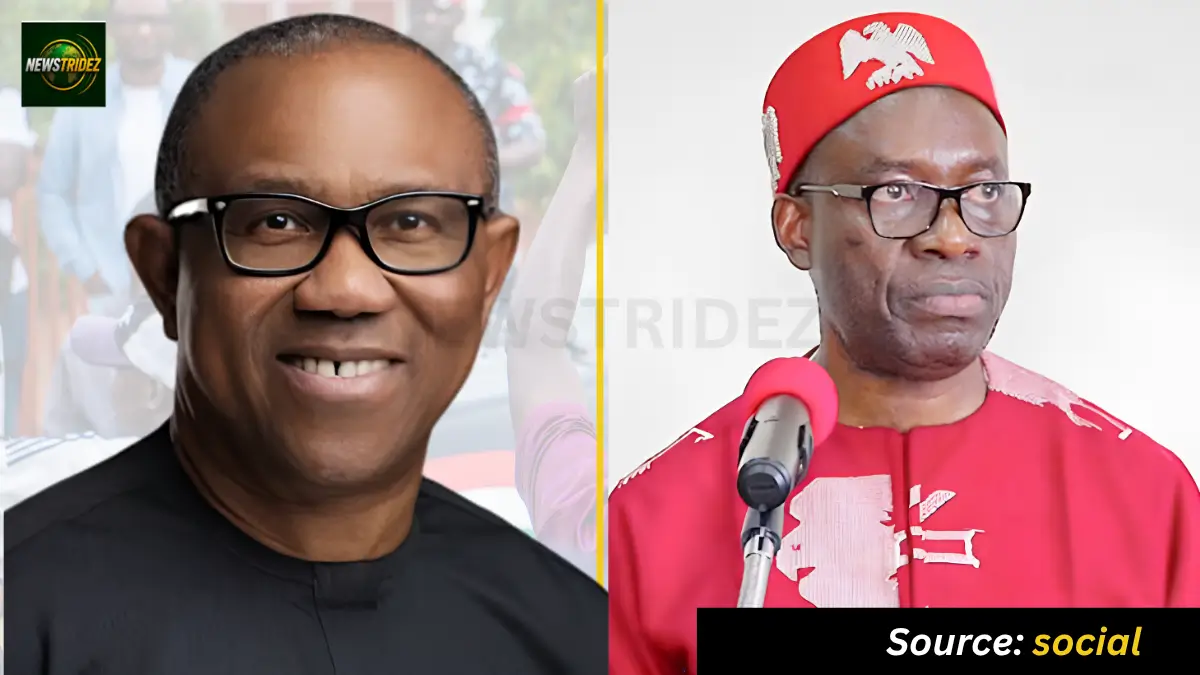
The development comes as the movement steps up its political organisation around the joint presidential ticket of Peter Obi, the Nigeria Democratic Congress candidate, and his running mate, Rabiu Kwankwaso, ahead of the 2027 presidential election. The new council is expected to take the movement’s message from national and state structures down to local governments, wards and communities.
The campaign structure includes officials responsible for grassroots mobilisation, women’s affairs, contact and engagement, special duties, procurement, information technology, legal affairs, strategy and planning, security and intelligence, administration and other areas. The movement said the appointments were designed to provide a nationwide structure for its political activities.
Newstridez reviewed the published list of the 59 appointees and found that the structure combines six zonal coordinators, state and FCT coordinators and 13 directorate positions. The appointments give the movement designated officials across the country rather than relying solely on its central leadership as preparations for the 2027 election continue.
Sani, in her message to the appointees, described their selection as a responsibility to take the movement’s message to Nigerians across the country. She said the council members would be expected to work from major cities through states and local government areas to wards and communities.
“Your selection is not merely an appointment; it is a call to duty, sacrifice, leadership and service to Nigeria,” Sani said.
She also said the movement expected members of the council to approach their assignments with discipline, loyalty, humility and commitment. According to her, the work would require strategic planning, grassroots mobilisation, communication and coordination among members of the political structure.
The movement has also stressed that its campaign council should not be confused with the formal presidential campaign council of the Nigeria Democratic Congress. Osa Director, the party’s spokesperson, told TheCable that the movement’s structure does not replace the party’s presidential campaign council, which he said would be announced separately.
That distinction is relevant because the OK Movement describes itself as a support platform around the Obi-Kwankwaso political project, while the NDC remains the political party fielding Obi and Kwankwaso for the presidential contest. The two structures may therefore have different responsibilities as the election timetable progresses.
Among the zonal coordinators, Suleiman Abubakar was assigned to the North-Central, Hashimu Dungurawa to the North-West, Amadu Gwambe to the North-East, Adebayo Adefolaseye to the South-West, Christopher Ighodaro to the South-South and El-Shaddai Ikeh to the South-East.
The North-Central structure also includes Maiyaki Samson for Kogi, Tokji J. Mandim for Plateau, Yusuf Abdullahi for Nasarawa, Aliyu Tershaku for Benue, Awal Goma for Niger, Ibrahim Jabir for the FCT and Kazeem Olawuyi for Kwara.
In the North-West, the listed coordinators include Balaraba Abdullahi for Jigawa, Ibrahim Kaya for Kaduna, Muhammed Tukur for Sokoto, Rabiu Na Begu for Kano, Usman Sani for Zamfara, Sabiu Hassan for Jigawa, Armayau Shehu for Kebbi and Yusif Sule for Katsina.
The North-East appointments include Abubakar Bala for Adamawa, Ismail Mairungu for Gombe, Hajiya Salaha Abubakar for Taraba, Ahmed Aminu for Bauchi, Ibrahim Garba Muhammad for Yobe and Aliyu AK Balarabe for Borno.
In the South-West, the council listed Otunba Segun Odekunle for Osun, Bababowale Olagbenro for Oyo, Animasaun Diamond for Ekiti, Shakirat Arowolo for Ogun, Ibironke Ogboro for Lagos and Ibrahim Shuibu for Ondo.
The South-South coordinators are Egwu Arong for Cross River, Elijah Noah for Akwa Ibom, Eromosele Jatto for Edo, Favour Emerure for Delta, Furoebi Akene for Bayelsa and Princess Jane Petters for Rivers.
For the South-East, the list names Nwanebu Christian Onyinyechi for Imo, Chukwudi Onyejekwe for Anambra, Roland Edeh for Ebonyi, Victor Onyia for Enugu and Zulu Ofoelue for Abia.
The directorate positions cover several areas that will determine how the movement coordinates its activities. Mike Agbon was named Director of Inter-Ethnic Group in Northern Nigeria, while Sabo Gashua will handle Grassroots Mobilisation and Glory Adayi will oversee Women Affairs.
Other appointments include Kabir Yahaya, Director of Contact and Engagement; Abdumumini Tijjani, Director of Mobilisation; Yusuf Mani, Director of Special Duties; and Peace Daful, Director of Procurement.
Charles Nwekeaku was named Director of the South Eastern Town Hall Association, while Sunmisola Adebayo will oversee Information Technology. Kingdom Okere will handle Legal Affairs, Abiodun Dabiri will oversee Strategy and Planning, and retired CSP Richard Enemona will head Security and Intelligence.
Aisha Abdulrahaman was appointed Director of Administration, completing the 59-member structure announced by the movement. The list therefore combines political coordination with specialised departments covering communication, logistics, security, legal matters and grassroots engagement.
The announcement comes against a wider backdrop of political realignment ahead of 2027, with parties, movements and individual politicians already building structures at state and grassroots levels. The Obi-Kwankwaso Movement’s latest appointments give its supporters a defined organisational framework as the political season develops.
Earlier, the movement said it would maintain its independent structure rather than merge with another political organisation. It also continued to identify Ughulu as its founder and Director-General, placing him at the head of the newly announced campaign council.
The movement has recently been involved in other political activities, including reactions to an incident involving Obi’s convoy during a visit to Benue State. It called for an impartial investigation into the reported disruption and said its security personnel exercised restraint to prevent the situation from escalating.
For Nigerians following the 2027 election, the latest development provides a clearer picture of how the Obi-Kwankwaso support structure intends to organise itself across the country. However, the appointment of coordinators does not by itself establish the final structure of the formal NDC presidential campaign.
The distinction between a support movement and a registered political party campaign structure will become more relevant as the election approaches and formal campaign activities take shape. The movement’s council will meanwhile have to translate its appointments into functioning structures across states, local governments and wards.
As at the time of filing this report, the Obi Kwankwaso movement had announced its 59-member council, with John Ughulu as Director-General and Saadatu Sani as secretary. The structure includes representatives from all six geopolitical zones, the FCT and Nigeria’s 36 states.
The next stage will be the activation of the appointed structures and the movement’s grassroots mobilisation activities. The NDC is also expected to announce its own presidential campaign council separately, meaning further changes to the wider 2027 campaign organisation may follow.
FULL LIST OF THE 59-MEMBER CAMPAIGN COUNCIL
- John Ughulu — Director-General
- Saadatu Sani — National Secretary
Zonal and State Coordinators
- Suleiman Abubakar — North-Central
- Maiyaki Samson — Kogi
- Tokji J. Mandim — Plateau
- Yusuf Abdullahi — Nasarawa
- Aliyu Tershaku — Benue
- Awal Goma — Niger
- Ibrahim Jabir — FCT
- Kazeem Olawuyi — Kwara
- Hashimu Dungurawa — North-West
- Balaraba Abdullahi — Jigawa
- Ibrahim Kaya — Kaduna
- Muhammed Tukur — Sokoto
- Rabiu Na Begu — Kano
- Usman Sani — Zamfara
- Sabiu Hassan — Jigawa
- Armayau Shehu — Kebbi
- Yusif Sule — Katsina
- Amadu Gwambe — North-East
- Abubakar Bala — Adamawa
- Ismail Mairungu — Gombe
- Hajiya Salaha Abubakar — Taraba
- Ahmed Aminu — Bauchi
- Ibrahim Garba Muhammad — Yobe
- Aliyu AK Balarabe — Borno
- Adebayo Adefolaseye — South-West
- Otunba Segun Odekunle — Osun
- Bababowale Olagbenro — Oyo
- Animasaun Diamond — Ekiti
- Shakirat Arowolo — Ogun
- Ibironke Ogboro — Lagos
- Ibrahim Shuibu — Ondo
- Christopher Ighodaro — South-South
- Egwu Arong — Cross River
- Elijah Noah — Akwa Ibom
- Eromosele Jatto — Edo
- Favour Emerure — Delta
- Furoebi Akene — Bayelsa
- Princess Jane Petters — Rivers
- El-Shaddai Ikeh — South-East
- Nwanebu Christian Onyinyechi — Imo
- Chukwudi Onyejekwe — Anambra
- Roland Edeh — Ebonyi
- Victor Onyia — Enugu
- Zulu Ofoelue — Abia
Directorate
- Mike Agbon — Director, Inter-Ethnic Group in Northern Nigeria
- Sabo Gashua — Director, Grassroots Mobilisation
- Glory Adayi — Director, Women Affairs
- Kabir Yahaya — Director, Contact and Engagement
- Abdumumini Tijjani — Director, Mobilisation
- Yusuf Mani — Director, Special Duties
- Peace Daful — Director, Procurement
- Charles Nwekeaku — Director, South Eastern Town Hall Association
- Sunmisola Adebayo — Director, Information Technology
- Kingdom Okere — Director, Legal Affairs
- Abiodun Dabiri — Director, Strategy and Planning
- Richard Enemona — Director, Security and Intelligence
- Aisha Abdulrahaman — Director, Administration