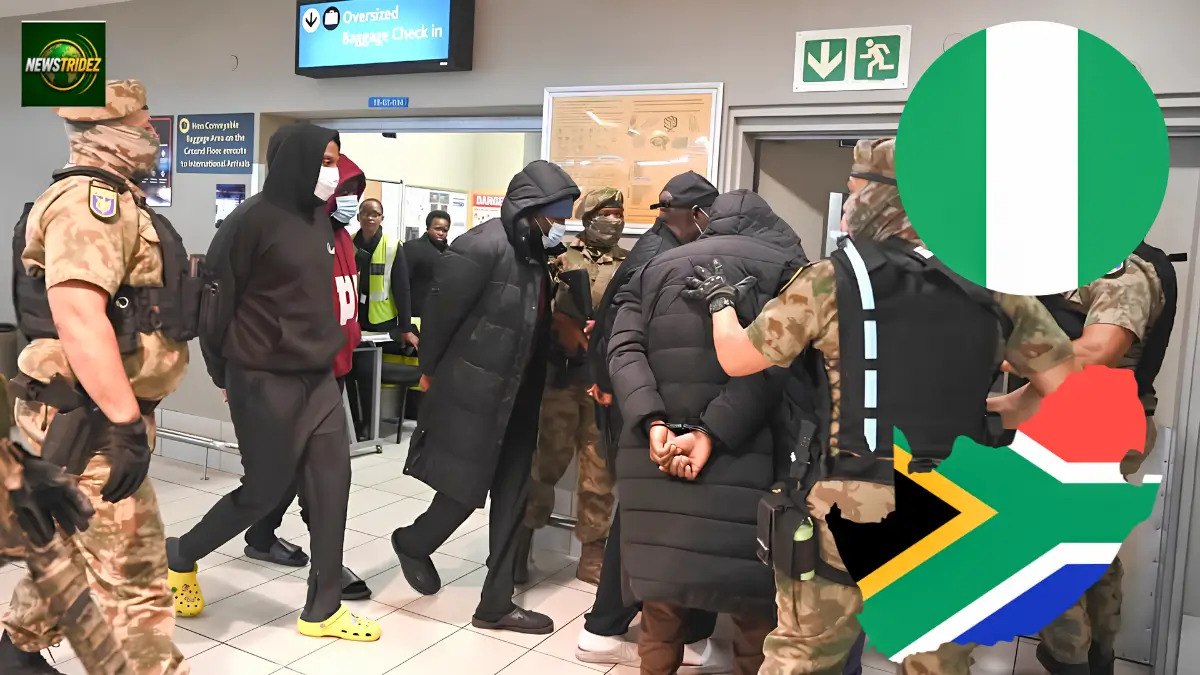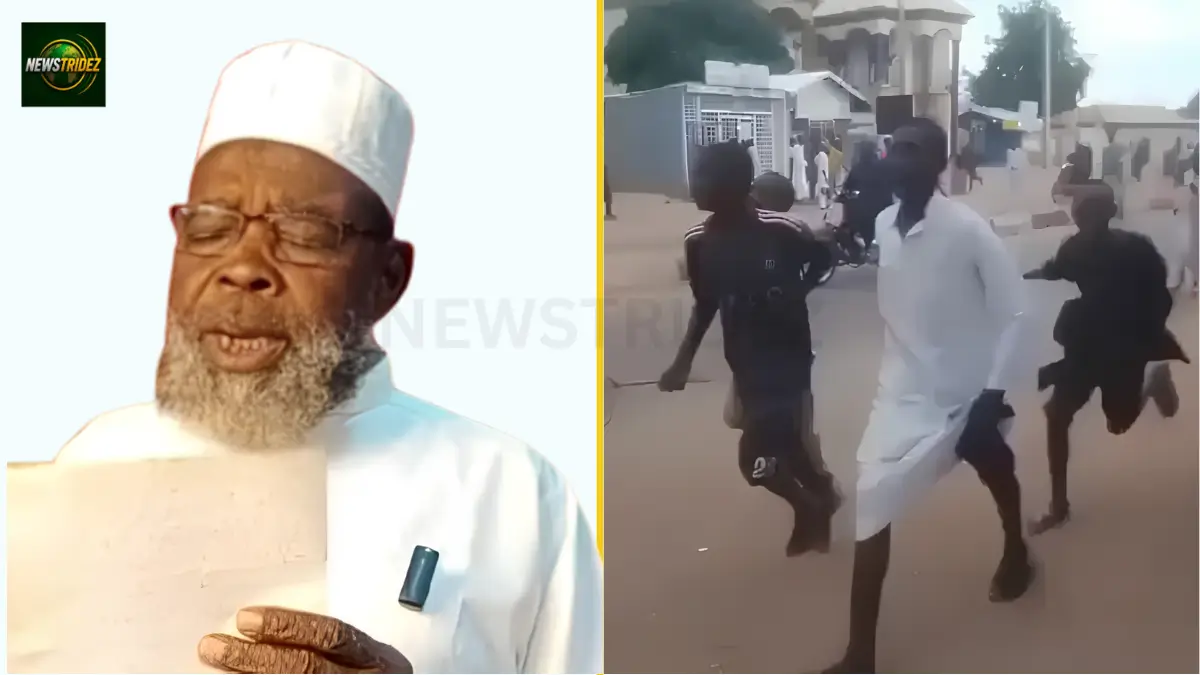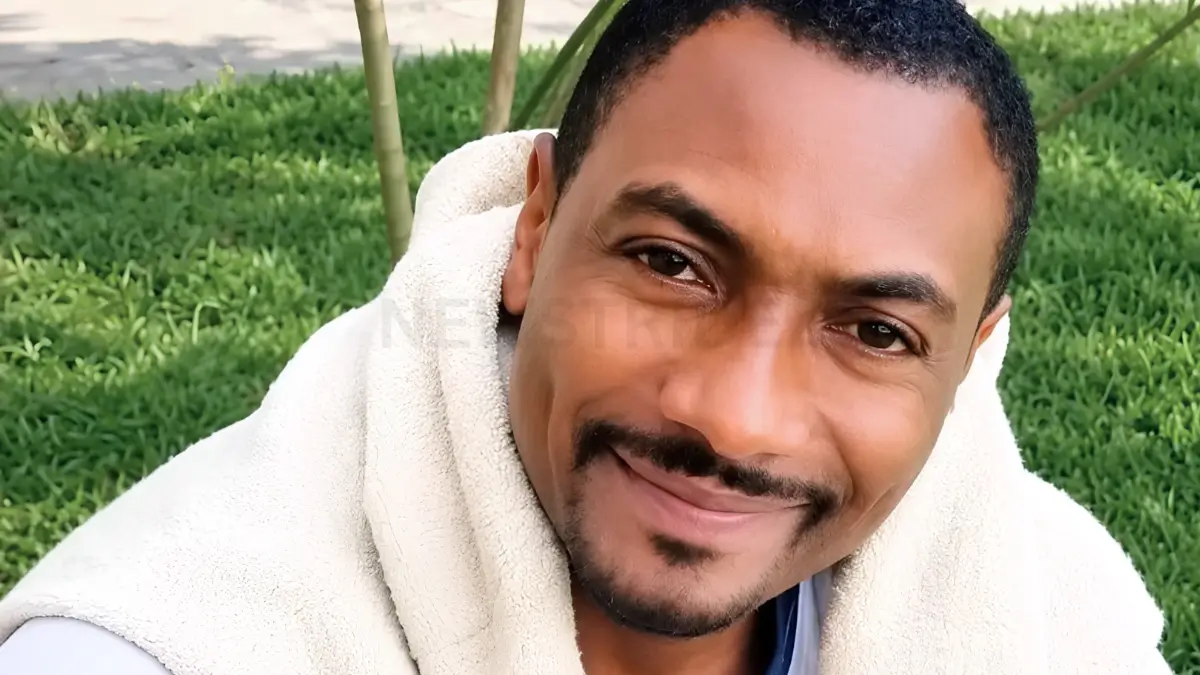
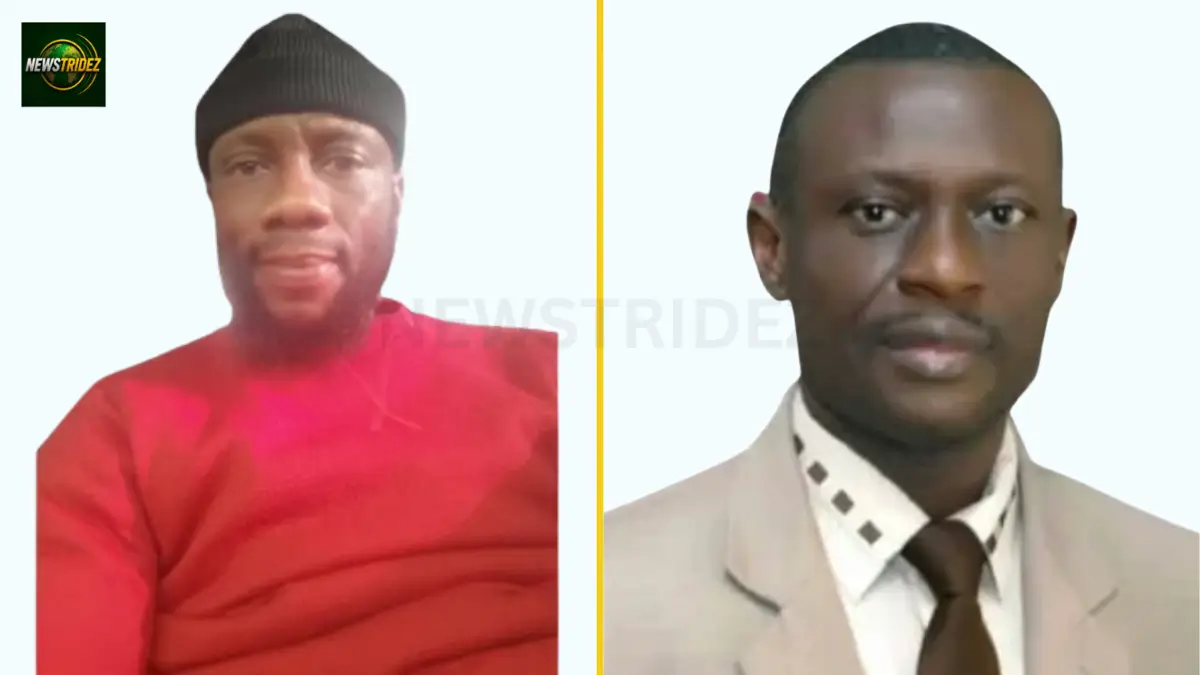
Two Nigerians killed in South Africa have raised fresh concerns over the safety of foreigners. James Nwankwo died in Cape Town, while Bishop Fakunle was shot in Johannesburg.
ABUJA, NIGERIA — Two Nigerians have been killed in separate incidents in South Africa as anti-migrant tensions continue to strain relations between both countries, with Nigeria’s Foreign Ministry demanding answers over the deaths of James Uchechukwu Nwankwo and Bishop Taiwo Michael Fakunle. Nwankwo died in Cape Town on September 5, while Fakunle was shot at his home in Johannesburg on September 4.
According to Nigeria’s Foreign Ministry spokesman, Oluwafemi Adeniyi, Nwankwo died after what the ministry described as “gruesome interrogation techniques” allegedly used by South African police officers. The ministry said Fakunle, a bishop, was killed at his residence in Kensington, Johannesburg, but it did not identify suspects or establish a motive for his death.
Review by Newstridez show that the two deaths have emerged at a particularly tense moment in Nigeria-South Africa relations, coming just one day after Nigeria’s National Assembly suspended official visits and legislative engagements with South Africa over recurring reports of violence against Nigerians and other African nationals.
The circumstances surrounding the two deaths differ. Nigerian authorities have directly linked Nwankwo’s death to alleged treatment by South African police, while the circumstances surrounding Fakunle’s killing remain under investigation. South African police had not immediately responded to the Associated Press request for comment on the latest allegations.
Nwankwo’s death occurred in Cape Town on September 5, according to the Foreign Ministry. The ministry said the circumstances raised concerns about how Nigerian citizens and other foreigners are treated by security authorities, particularly at a time when anti-migrant sentiment has increased across parts of South Africa.
Fakunle, aged 58, was killed at his residence in Kensington, Johannesburg, on September 4. Earlier reports said two suspects allegedly entered the property and opened fire, but authorities had not established a motive or announced arrests in connection with the bishop’s death. The case therefore remains separate from the allegation involving Nwankwo.
The Nigerian government has condemned the deaths and questioned whether South African authorities are doing enough to protect foreign nationals. Adeniyi said the incidents raise questions about the safety of foreigners and the commitment of South African authorities to preventing targeted attacks. He also accused South African police of worsening an already fragile situation.
The latest deaths have added to a long-running pattern of concern among Nigerians living in South Africa. In July, Nigeria’s Minister of State for Foreign Affairs, Ambassador Sola Enikanolaiye, said at least 98 Nigerians had been killed in South Africa since 2022 through mob attacks, hate-related violence and alleged extrajudicial killings.
The wider crisis has also forced thousands of migrants to leave South Africa. According to figures cited by the Associated Press, South African government data put voluntary repatriations and deportations since the latest migration tensions began at almost 90,000, while figures from migrants’ home governments put the number at about 178,000.
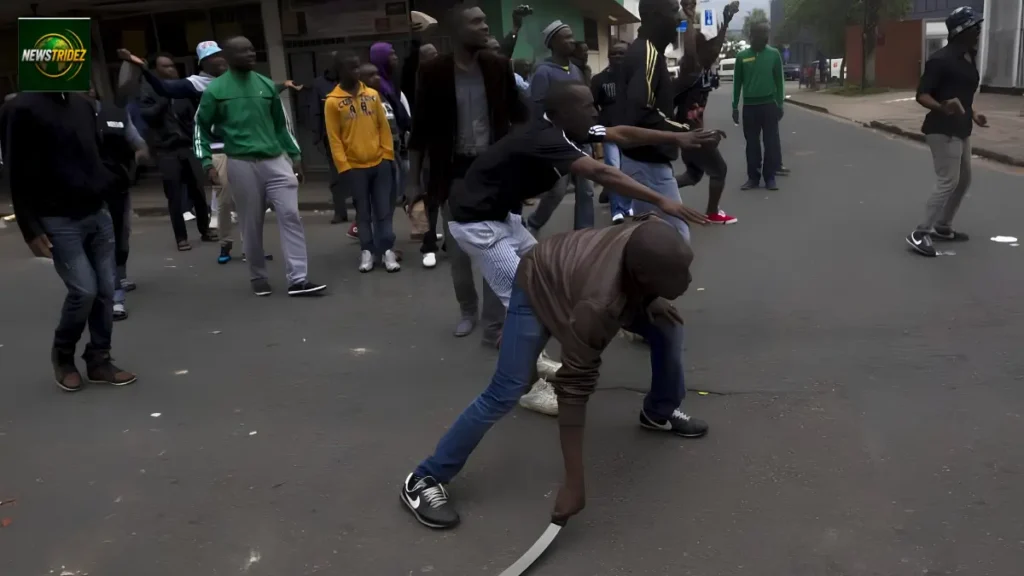
The violence has been linked to growing anger among some South Africans over unemployment, crime and pressure on public services. Migrant communities, however, have repeatedly rejected being blamed for those problems, while rights groups have warned against using foreigners as scapegoats for wider economic and social challenges.
For Nigerians living in South Africa, the latest developments have heightened anxiety over personal safety, businesses and freedom of movement. The Nigerian community includes traders, professionals, students, religious leaders and entrepreneurs, many of whom have lived in the country for years and maintain strong family and business links with Nigeria.
The deaths also come after Nigeria’s parliament took an unusually strong position on the deteriorating situation. On Friday, the National Assembly announced an indefinite suspension of official visits to South Africa and a boycott of South African-hosted parliamentary activities, citing reports of Nigerians being killed, injured, displaced and forced to abandon businesses, investments and homes.
That decision does not amount to a break in diplomatic relations between Nigeria and South Africa. Rather, it represents growing political pressure on Pretoria to improve protection for Nigerians and other African migrants while ensuring that reported crimes are investigated and suspects are prosecuted where evidence supports criminal charges.
The latest deaths also follow earlier killings of Nigerians during the escalation of anti-migrant tensions in June. Two Nigerians, Emeka Iroegbu and Musa Yunana Joe, were reported killed on June 28 under separate circumstances, with Nigeria alleging that Iroegbu died following police interrogation and Joe was killed by unidentified attackers. South African authorities said investigations were underway.
Those earlier incidents triggered strong reactions from Abuja and further strained relations between the two countries. Nigeria demanded investigations while urging Nigerians not to retaliate against South African interests. South Africa, meanwhile, has maintained that criminal allegations and xenophobic violence must be addressed through the law.
The latest cases are therefore being watched closely by Nigerian officials and community representatives. The circumstances surrounding Nwankwo’s death will require clarification from South African authorities, while investigators must establish who killed Fakunle and whether the bishop’s murder had any connection to the wider anti-migrant tensions.
As at the time of filing this report, Nigeria had publicly raised concerns over both deaths, but South African police had not provided a detailed response to the latest allegations. No motive had been established for Fakunle’s killing, while the circumstances of Nwankwo’s death remained disputed and required further investigation.
The next steps will depend on investigations by South African authorities and continued engagement between Abuja and Pretoria. For Nigerians watching the situation, the immediate demand remains clear: authorities must establish the circumstances surrounding the two deaths, protect Nigerians living in South Africa and ensure that anyone responsible for unlawful killings faces the law.
The deaths of the two Nigerians come as diplomatic pressure grows, with Nigeria’s National Assembly already suspending official engagements with South Africa. The cases involving Nigerians killed in the country are now likely to remain a major issue in the relationship between both nations as authorities seek answers and the Nigerian community demands greater protection.