
Peter Obi fuel subsidy support has put the 2027 presidential race in a fresh twist. The NDC candidate says he would keep Tinubu’s controversial policy if elected, but insists the savings must benefit Nigerians.
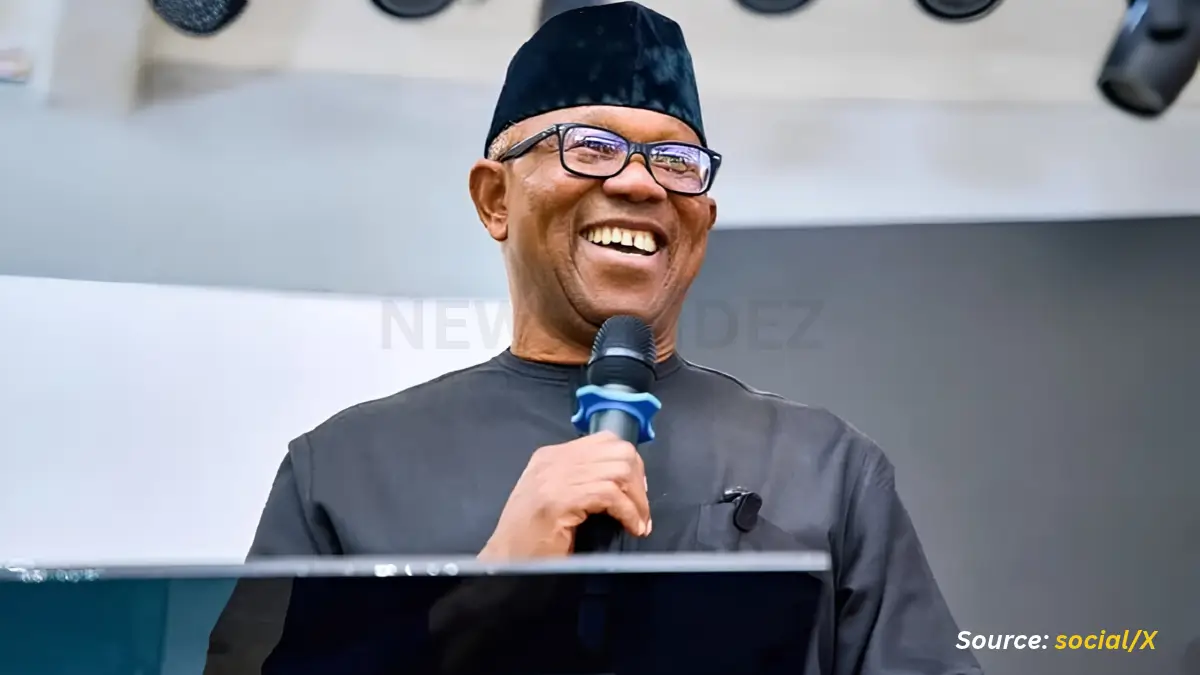
PORT HARCOURT, RIVERS STATE — Peter Obi has backed President Bola Tinubu’s removal of petrol subsidy, saying he would retain the policy if elected president in 2027, while accusing the Federal Government of failing to properly manage the money saved from the reform.
The former Anambra State governor made the position during a panel session at the Nigerian Bar Association Annual General Conference in Port Harcourt, Rivers State, where leading presidential contenders debated major issues ahead of the 2027 election. Obi rejected calls to restore the old subsidy system, arguing that the policy itself was not the main problem but the way government managed the resources it released.
“For the subsidy, what we have today is that the removal and the additional resources being recovered is also being mismanaged and stolen,” Obi said.
Tinubu announced the removal of petrol subsidy on May 29, 2023, shortly after taking office. The decision immediately changed the economics of petrol in Nigeria and contributed to sharp increases in transport fares, food prices and other household expenses. The Federal Government has continued to defend the policy as necessary for improving public finances and redirecting money previously spent on subsidy payments.
Obi’s position places him in an unusual political position ahead of 2027. While he remains one of Tinubu’s leading challengers, the NDC presidential candidate agrees with the President on one of the administration’s most controversial economic decisions. His argument, however, differs sharply from the government’s defence of the reform because he says Nigerians have not received enough benefit from the resources released after subsidy removal.
According to reports from the NBA conference, Obi argued that Nigeria could have used the money saved from subsidy removal to strengthen the country’s financial reserves and fund productive sectors. He pointed to the sovereign wealth fund as an example of how the country could have deliberately saved part of the resources instead of allowing them to disappear without clear public benefit.
The debate has become increasingly important as politicians prepare for the 2027 presidential contest. Former Vice President Atiku Abubakar, who is also seeking the presidency, has taken a different position by proposing the restoration of a form of petrol subsidy if elected. Atiku has argued that Nigerians need relief from the hardship associated with the current fuel pricing system.
The competing positions mean fuel pricing could become one of the clearest economic dividing lines in the 2027 campaign. Obi wants the subsidy removal to remain in place but promises better management of the resources it generates, while Atiku has called for a return to targeted support. Tinubu, meanwhile, continues to defend the reform as part of his wider economic programme.
The Peter Obi fuel subsidy position also creates a difficult political message for the NDC candidate. Many Nigerians have associated subsidy removal with the sharp increase in the cost of living since 2023. Transport operators, traders, workers and families have all had to adjust to higher petrol prices and the wider costs that followed. Any candidate defending the policy must therefore explain how Nigerians will feel its benefits.
Newstridez reviewed the competing positions and found that the argument has shifted from whether Nigeria should remove petrol subsidy to what should happen to the resources released by the decision. That distinction could become central to the 2027 campaign, particularly as opposition candidates try to convince voters that they can maintain economic reforms while reducing the burden on households.
Tinubu’s government has repeatedly argued that subsidy payments placed a heavy strain on public finances before the 2023 decision. The administration says removing the subsidy has allowed government to redirect resources towards infrastructure, social programmes and other areas. The President has also described the reform as painful but necessary to prevent deeper fiscal problems.
Obi does not completely reject that argument. His criticism centres on what happened after the policy took effect. Rather than returning to the old subsidy regime, he wants government to account for the resources recovered and use them in ways that Nigerians can see and measure. That position separates him from politicians campaigning primarily on a promise to restore cheaper petrol through renewed government intervention.
The issue could also affect the wider opposition coalition. The African Democratic Congress has faced internal disagreement over subsidy policy, with some of its officials supporting restoration while Obi’s NDC maintains that reversing the reform would be a mistake. An ADC spokesman recently described the issue as a major policy difference that any proposed opposition arrangement would have to address.
For ordinary Nigerians, however, the political argument remains tied to one simple question: what happens to the price of petrol and the cost of living? A policy that removes subsidy but fails to produce visible improvements in wages, transport, food supply, electricity and jobs could remain unpopular regardless of the government’s explanation.
Obi has therefore positioned his argument around management rather than reversal. If elected, he says the subsidy-free system should remain, but government must manage the proceeds properly and direct them towards productive investment and improved living conditions. That approach is consistent with his broader 2027 message of moving Nigeria away from consumption and towards production, investment, enterprise and human capital.
The disagreement will likely intensify as the 2027 campaign gathers pace. Tinubu will defend the reforms as part of his record, Atiku will continue to campaign for relief through a redesigned subsidy arrangement, while Obi will have to convince voters that keeping subsidy removal can work without leaving households to carry the burden alone.