The Federal Government has rejected claims that Tinubu 2027 chances are fading, with Defence Minister Christopher Musa insisting the APC will retain power despite growing opposition attacks.
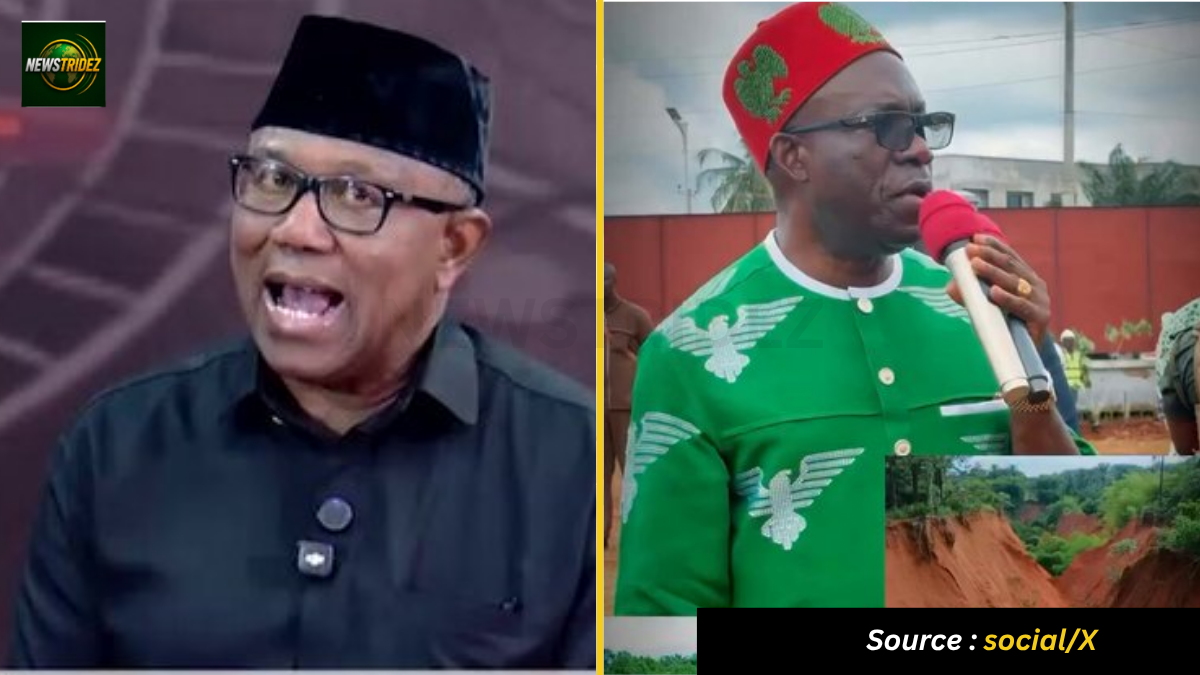
ABUJA, NIGERIA — The Federal Government has dismissed claims by Peter Obi and Rabiu Kwankwaso that President Bola Tinubu could lose the 2027 presidential election, with Defence Minister Christopher Musa insisting that the All Progressives Congress will retain the Presidency and win major elections in Kaduna State. Musa made the declaration during an interview on Channels Television’s Politics Today on Thursday, September 3, 2026.
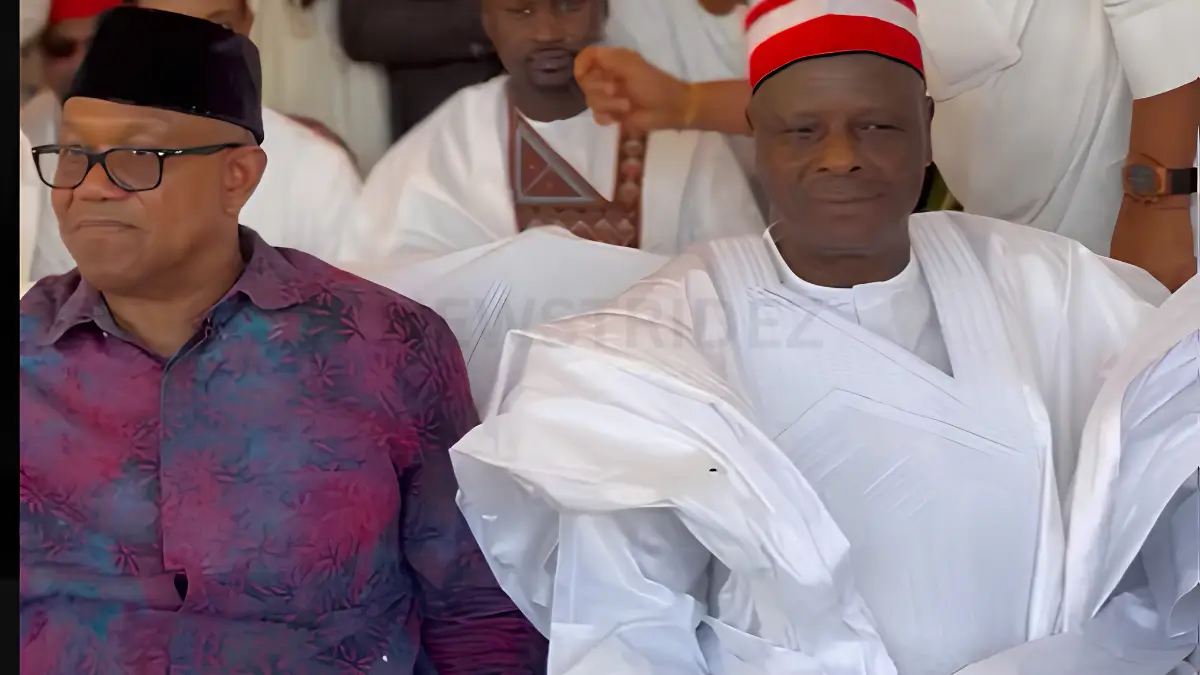
Musa was responding to comments made earlier by Obi and Kwankwaso during a town hall meeting in Port Harcourt, where the opposition politicians sought to rally supporters ahead of the 2027 general elections. Obi warned that voters would resist attempts to manipulate their ballots, while Kwankwaso argued that controlling more than 30 states would not guarantee victory for the ruling APC.
The Defence Minister rejected suggestions that the APC had lost significant support in Northern Nigeria. When asked about perceptions of growing opposition to Tinubu and the ruling party in the North, Musa described the argument as a matter of individual perception rather than evidence of an electoral shift.
“That’s a perception. It’s a perception, and I mean, everybody has his own perception to deal with,” Musa said, arguing that public dissatisfaction should not automatically be interpreted as rejection of the APC.
Musa went further when questioned about the APC’s prospects in Kaduna State, where the party has faced criticism from opposition figures over the performance of the Tinubu administration. He expressed confidence that the ruling party would retain the state in 2027.
“I cannot say cannot lose. APC will win in Kaduna. That I know,” the minister said.
When asked whether his prediction covered only the governorship election, Musa responded that the APC would win the presidential election as well as governorship and other elective contests in the state.
Newstridez reviewed the comments and found that Musa’s argument was largely based on confidence in the APC’s political strength rather than polling figures or a specific electoral survey. The minister did not cite a poll showing that Tinubu is ahead nationally or provide voting projections to support his prediction.
His remarks came shortly after Obi and Kwankwaso challenged the assumption that the APC’s control of a large number of states would automatically translate into a presidential victory. Kwankwaso cited the 2015 election, when then-President Goodluck Jonathan lost his re-election bid to Muhammadu Buhari, despite the PDP controlling a substantial number of states.
“Jonathan was the president, the sitting president lost the election,” Kwankwaso said, warning those who believe the APC cannot lose because it controls more than 30 states.
The former Kano State governor used the example to argue that incumbency and control of state governments do not guarantee victory at the presidential level. He also criticised the performance of some APC governors and suggested that dissatisfaction in parts of the North could affect the ruling party’s fortunes.
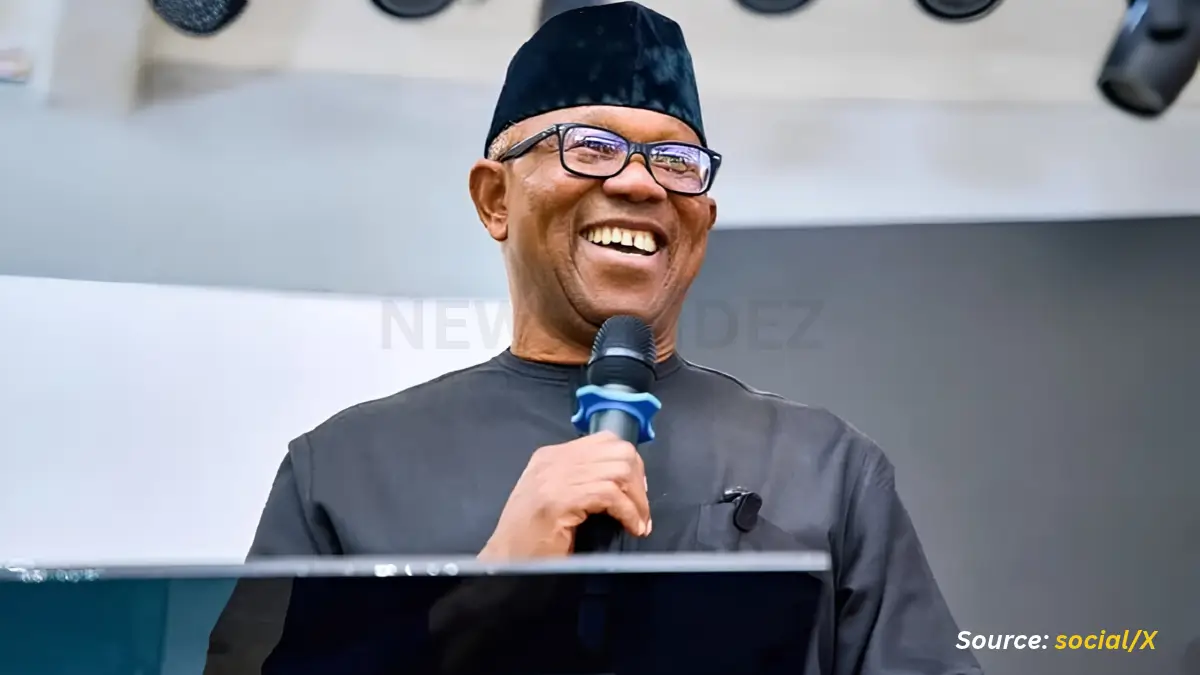
Obi, meanwhile, focused on the protection of votes and the integrity of the electoral process. Speaking at the Port Harcourt meeting, the former Anambra State governor said opposition supporters would not allow intimidation at polling units during the 2027 election.
“Nobody will intimidate us again at the polling booth,” Obi said, arguing that voters would be better organised to protect their ballots than they were during the 2023 election.
Obi also raised concerns about possible attempts to interfere with the electronic transmission and viewing of results through the INEC Result Viewing Portal. He said opposition supporters would be prepared to challenge any attempt to manipulate the process.
“Yes, they will try to manipulate the IReV. But let me tell you, it will not be easy this time,” Obi said.
The NDC presidential candidate also maintained that voters would play a stronger role in protecting the credibility of the election. He argued that the relatively small number of officials at polling units would make it difficult for officials to intimidate large numbers of voters if citizens remained organised.
Kwankwaso supported the argument for greater scrutiny of candidates, saying Nigerians needed a president capable of dealing with the country’s economic and social challenges. He warned that choosing the wrong leadership in 2027 could have serious consequences for the country.
The exchange highlights one of the central arguments likely to dominate Nigeria’s 2027 presidential campaign: whether Tinubu’s incumbency and the APC’s growing political control will outweigh dissatisfaction over the administration’s policies and economic reforms.
Musa defended Tinubu’s record, particularly the difficult economic measures introduced by the administration. He acknowledged that some decisions had caused hardship but argued that the benefits would become clearer with time.
“But I can tell you this, the President has taken very painful decisions, and I can tell you these are decisions that are coming in gradually,” Musa said.
The minister said Nigerians would eventually understand the rationale behind some of the government’s policies, including its economic reforms. His defence reflects the administration’s broader argument that the immediate pain from reforms such as fuel subsidy removal and other economic changes should be judged alongside their expected long-term effects.
However, opposition politicians continue to argue that Nigerians will ultimately judge the administration by the conditions they experience before voting. Issues such as food prices, household income, unemployment, security and purchasing power are expected to remain major campaign issues.
The political contest is also taking shape around the opposition alliance involving Obi and Kwankwaso. Both politicians are now running together under the Nigeria Democratic Congress, with Obi as the presidential candidate and Kwankwaso as his running mate. Their alliance presents the ruling party with a more consolidated opposition challenge than either politician faced separately in previous political contests.
The ruling party, however, remains confident that its organisational strength, incumbency and control of state governments will give Tinubu a strong advantage. Musa’s prediction that APC will win Kaduna at every level reflects that confidence, particularly in a northern state viewed as politically significant in the presidential contest.
At the same time, the outcome cannot be determined by party control alone. Nigeria’s presidential election requires a candidate to secure the highest number of votes while meeting the constitutional requirement of at least 25 per cent of votes in two-thirds of the states and the Federal Capital Territory.
Tinubu won the 2023 presidential election with 8,794,726 votes, ahead of Atiku Abubakar and Obi. The next election will be contested under a different political configuration, with opposition parties attempting to consolidate their support and the APC seeking to defend the President’s record.
The competing claims from the government and opposition therefore represent political predictions rather than established electoral outcomes. Neither Musa’s confidence in an APC victory nor Obi and Kwankwaso’s belief that Tinubu can be defeated can determine what voters will do at the polls.
For now, the battle is increasingly moving toward the North, where the APC is seeking to defend its support base while opposition politicians argue that economic hardship and dissatisfaction could weaken the ruling party. Kaduna, in particular, could become an important political battleground as the 2027 campaign gathers momentum.
The Federal Government remains confident that Tinubu will secure re-election, while Obi and Kwankwaso insist that APC control of states cannot guarantee victory. With both camps intensifying their campaigns, voter sentiment, economic conditions and the credibility of the 2027 electoral process will shape the final contest.