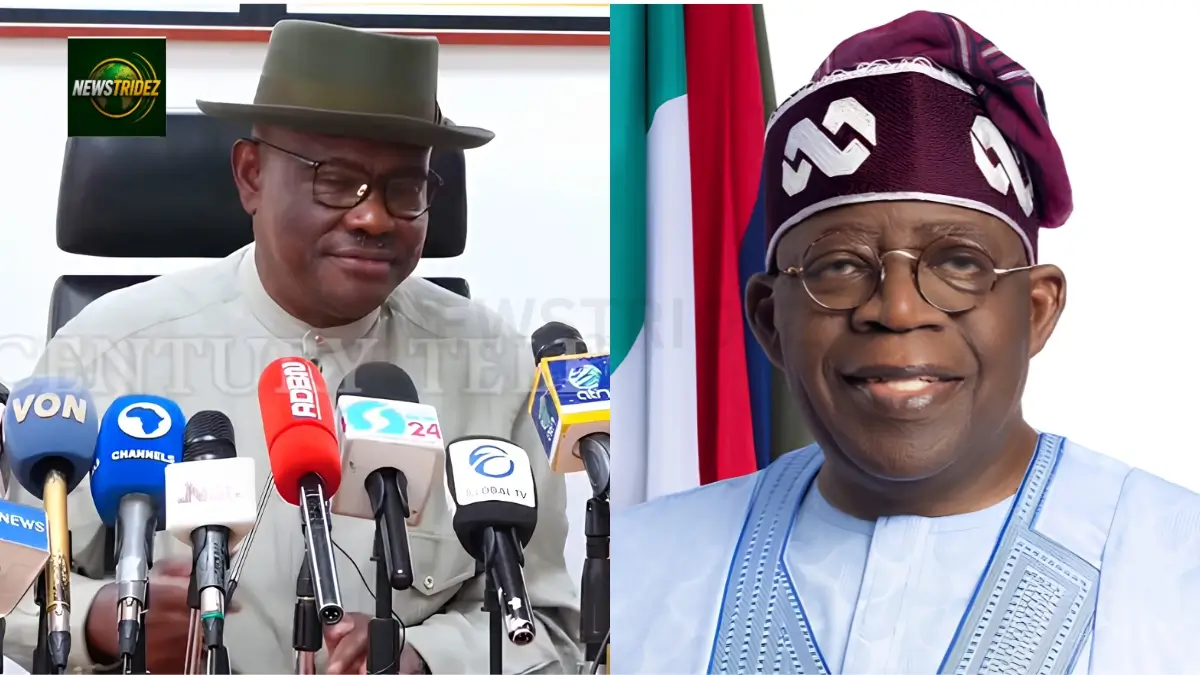
Nyesom Wike says the opposition should start crying over the Tinubu 2027 election, arguing in Abuja that President Bola Tinubu faces a weakened political challenge ahead of the presidential poll.
ABUJA, NIGERIA — Nyesom Wike, Minister of the Federal Capital Territory, says President Bola Tinubu faces his easiest presidential election in 2027, arguing that a fragmented opposition cannot mount a serious challenge against the ruling All Progressives Congress. Wike made the claim during an inspection tour of flood-affected areas in Abuja on Monday, August 17, 2026.
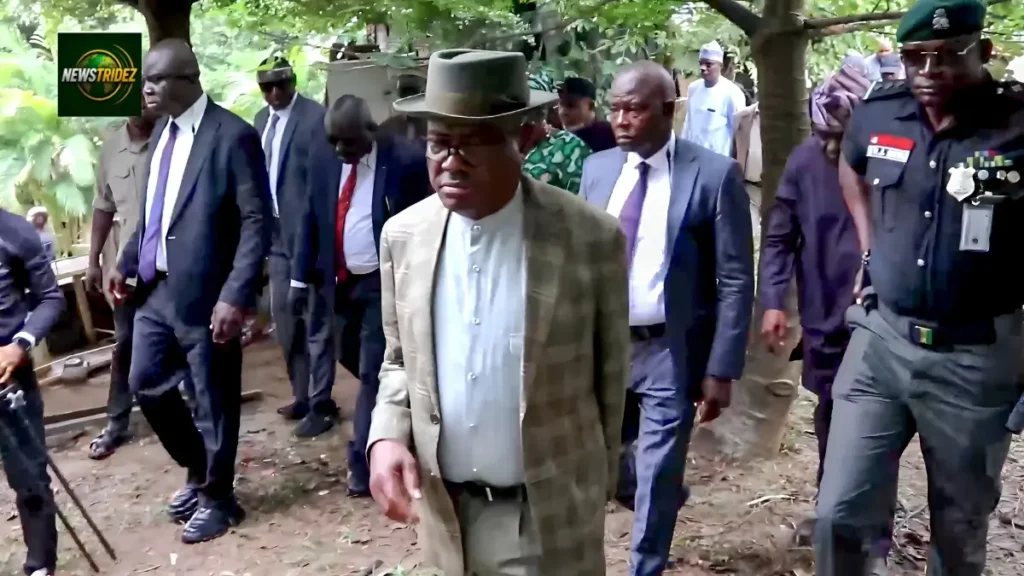
Wike said the opposition had become too divided and weakened by defections and internal political movements to defeat Tinubu at the next presidential election. According to him, a credible opposition needs to spend years building a political structure rather than moving between parties whenever politicians seek a platform for an election.
The FCT minister said the current political situation gives Tinubu a much easier route to victory than he faced in 2023. Wike argued that the opposition had become “crippled” and “depleted” and questioned how parties that continue to experience internal movements could build the organisation required to defeat an incumbent president at the national level.
Wike also criticised opposition politicians who, according to him, rely heavily on media appearances instead of building strong political structures across the country. He argued that television interviews and public criticism would not automatically translate into votes, insisting that serious opposition parties must maintain grassroots structures and spend sufficient time preparing for elections.
The minister’s remarks come as Nigeria’s opposition parties continue to discuss alliances and possible arrangements ahead of the 2027 general election. Several opposition politicians have explored a coalition aimed at challenging the APC, while disagreements over party structures, presidential tickets and leadership have continued to shape the political conversation.
Newstridez reviewed Wike’s latest comments alongside his earlier statements on the 2027 contest and found that his position has remained consistent. In July, the minister said Tinubu faced no serious opposition and challenged opposition politicians to demonstrate their electoral strength rather than depend on political commentary.
Wike has also repeatedly singled out Rivers State as an area where he believes Tinubu will perform strongly. Earlier this month, he told opposition politicians to forget about relying on Rivers for votes against the president and argued that the state remained politically aligned with Tinubu ahead of 2027.
That claim has already attracted pushback from the African Democratic Congress, which accused Wike of showing anxiety about the growing opposition. The party argued that Rivers voters, rather than any individual politician, would determine the outcome of the presidential election in the state.
The ADC also challenged Wike’s attempt to dismiss the political influence of former Rivers governor Rotimi Amaechi, who now occupies a prominent position within the opposition movement. The party said previous election results could not determine the outcome of 2027 because every election depends on the circumstances and choices of voters at the time.
The political argument also gained fresh attention after the August 15 Osun State governorship election. Governor Ademola Adeleke defeated the APC candidate, Bola Oyebamiji, by 511,067 votes to 444,815, according to figures reported after the poll. Adeleke won 19 of the state’s 30 local government areas, while the APC candidate secured 11.
Wike, however, said the Osun result should not automatically serve as a guide to the 2027 presidential election. He argued that Tinubu allowed the governorship election to remain free and fair and pointed to Adeleke’s victory as evidence that the Federal Government did not use its influence to prevent an opposition candidate from winning.
The minister’s comments have therefore placed renewed focus on the strength and organisation of Nigeria’s opposition ahead of 2027. While Wike believes defections and divisions have weakened the opposition, opposition politicians continue to work on possible alliances that could produce a stronger presidential challenge against Tinubu. The coming months are expected to reveal whether those efforts can overcome the disagreements currently facing the opposition camp.
For Nigerian voters, the central issue will ultimately go beyond political predictions from Wike or other politicians. The 2027 contest will also turn on the economy, security, jobs, living costs, governance and the ability of each political camp to convince voters that it can address their concerns. Campaign claims will therefore face their biggest test at the ballot box.
Wike’s latest declaration adds another strong political claim to the growing debate around the Tinubu 2027 election. While he says the opposition has already lost significant ground, the opposition’s emerging alliances suggest that the race remains politically active. Nigerians will have the final say when the 2027 presidential election arrives, regardless of how confidently either side predicts the result.