
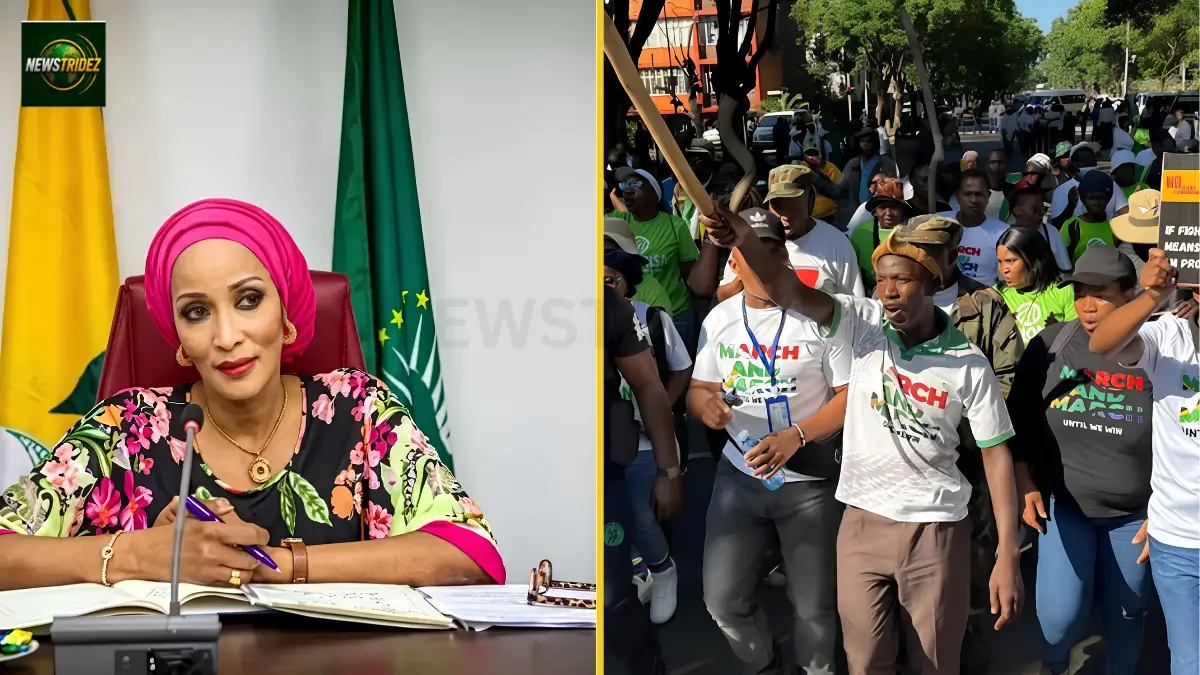
Nigeria demands probe after two citizens, Taiwo Fakunle and James Nwankwo, died in separate incidents in South Africa as anti-foreigner tensions rise.
ABUJA, NIGERIA — The Nigerian government has demanded a thorough investigation into the deaths of two Nigerians in South Africa, amid renewed concerns over attacks and harassment targeting foreign nationals in the country. The victims were identified as Bishop Taiwo Michael Fakunle and James Uchechukwu Nwankwo.
According to the Federal Ministry of Foreign Affairs, Fakunle died at his residence in Kensington, Johannesburg, on September 4, while Nwankwo died in a separate incident in Cape Town on September 5. The ministry condemned both deaths and called for transparent investigations to establish the circumstances and hold those responsible accountable.
Checks by Newstridez show that the latest deaths have intensified an already strained relationship between Nigeria and South Africa over the safety of Nigerians living, working and doing business in the country. The deaths also came shortly after renewed anti-migrant protests and other attacks against foreign nationals across parts of South Africa.
Fakunle, 58, was a Nigerian cleric and was reportedly found dead at his home in Kensington, Johannesburg. The Nigerian Citizens Association South Africa, NICASA, has separately called for an urgent and thorough investigation into his death, saying the circumstances surrounding the incident require clear answers.
Nwankwo, according to reports, died following an encounter involving South African police in Cape Town. The Nigerian government said he was subjected to what it described as “gruesome interrogation techniques”, while authorities continue to face questions over the circumstances surrounding his death.
The two cases have attracted attention because they occurred against the backdrop of rising anti-immigrant sentiment in South Africa. Nigerians and other African migrants have faced attacks, harassment and threats in recent months, with local anti-foreigner campaigns blaming migrants for issues including unemployment, crime and pressure on public services.
The Federal Government has therefore asked South African authorities to investigate the deaths fully and transparently. The demand also reflects growing concern in Abuja over the safety of Nigerians in a country that hosts one of Africa’s largest Nigerian communities.
Newstridez reviewed reports from Nigerian officials, South African developments and diaspora groups and found that the two latest deaths are separate incidents, rather than a single attack. Fakunle died in Johannesburg, while Nwankwo died in Cape Town, with different circumstances reported in each case.
The distinction matters because authorities have not established a common motive linking the two deaths. While the Nigerian government has raised concerns about the wider anti-foreigner climate, investigations into the individual cases must establish what happened to each victim and whether anyone should face criminal charges.
The situation has also drawn the attention of Nigerian community organisations in South Africa. NICASA demanded justice for Fakunle and urged authorities to ensure that the investigation does not leave unanswered questions about how the bishop died inside his Johannesburg residence.
The Nigerian government’s latest position comes after several other Nigerians were killed in South Africa earlier in 2026. Reports have documented repeated deaths and attacks involving Nigerians and other foreign nationals, increasing calls for stronger protection and better cooperation between the two countries.
The wider security picture has also created diplomatic pressure. Nigeria has previously condemned killings involving its nationals and demanded investigations, while South African authorities have faced criticism over their response to xenophobic violence and anti-migrant protests.
For Nigerians living in South Africa, the issue goes beyond diplomacy. Many have built businesses, churches, professional careers and families in the country. Any perception that Nigerian lives are not adequately protected can increase fear in communities and affect businesses, movement and relations with local residents.
The latest developments also come after Nigeria’s National Assembly suspended official visits to South Africa indefinitely over concerns about continuing anti-migrant violence. The parliamentary decision signals the seriousness with which lawmakers now view the safety of Nigerians in the country.
Data reviewed by Newstridez indicates that Nigerian officials have put the number of Nigerians killed in South Africa since 2022 at at least 98 in mob attacks, hate-related incidents and alleged extrajudicial killings. The figure reflects a wider pattern rather than the two latest cases alone.
The number has become part of the growing debate over whether existing diplomatic and security measures have done enough to protect Nigerians. Nigerian officials have repeatedly urged South African authorities to investigate killings and attacks while ensuring that foreigners receive protection under the law.
At the same time, South Africa continues to face strong domestic pressure over migration. Anti-foreigner groups have staged protests and demanded action against undocumented migrants, while authorities have attempted to address concerns over immigration enforcement and public safety.
The Nigerian government has maintained that crimes committed by individuals should not justify collective punishment or violence against entire communities of foreign nationals. That position has become increasingly important as Nigerian-owned businesses and homes have faced threats during periods of heightened anti-migrant tension.
The two latest deaths also raise questions about police accountability. In Nwankwo’s case, reports indicate that his death followed an encounter with South African police, making an independent and transparent investigation particularly important to establish what happened and whether officers acted lawfully.
In Fakunle’s case, authorities have not identified suspects or established a motive publicly. His death at his Johannesburg residence has therefore prompted calls from Nigerian community representatives for investigators to determine whether the killing was linked to robbery, personal conflict, xenophobia or another motive.
The Nigerian government’s demand does not itself establish that xenophobia caused either death. That determination must come from evidence gathered by investigators. However, the timing of the deaths has understandably increased anxiety among Nigerians living in South Africa.
Meanwhile, diplomatic relations between Abuja and Pretoria remain under pressure as Nigerian officials seek stronger action against attacks on their citizens. The issue is also likely to remain part of discussions between the two governments as they work to prevent further deterioration in relations.
As at the time of filing this report, Nigeria had demanded thorough investigations into the deaths of Fakunle and Nwankwo, while community organisations continued to seek justice and answers. South African authorities face pressure to establish the circumstances surrounding both deaths and prosecute anyone found responsible.
The next step will depend on the outcome of the investigations and the response from South African authorities. For Nigerians in South Africa, the immediate concern remains safety, accountability and assurance that the deaths of their compatriots will receive the full attention of the law.