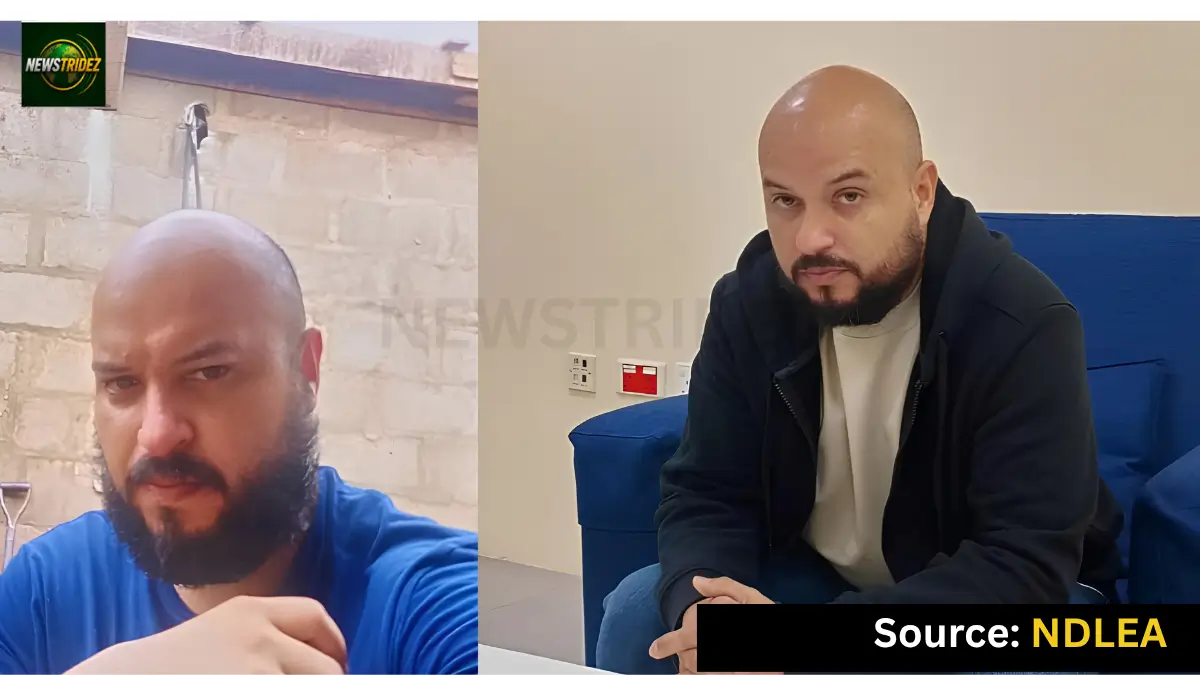

The JAMB Registrar has cleared more than 5,000 pending complaints within five days in Abuja, targeting registration, biometric, admission, payment and technical problems faced by candidates.
ABUJA, NIGERIA — JAMB Registrar Prof. Segun Aina has personally intervened in more than 5,000 pending complaints within five days, after relocating to the Joint Admissions and Matriculation Board’s SERVICOM Unit in Abuja to address candidates’ registration, examination and admission challenges. JAMB disclosed the development on Sunday.
The intervention followed Aina’s decision to move his office to the SERVICOM Unit, allowing him to examine complaints directly instead of relying solely on reports from desk officers. JAMB’s Acting Director of Public Affairs and Protocol, Dr Fabian Benjamin, said the move formed part of the registrar’s plan to improve the quality and speed of services provided to candidates and other members of the public.
According to Benjamin, Aina has made “Service at Heart” the second of the five enduring pillars guiding his administration. The registrar also instructed SERVICOM desk officers to treat complaints promptly and consider each case fully, rather than allow unresolved issues to build up. JAMB said the approach resulted in the resolution of more than 5,000 pending complaints within the five-day period.
The complaints covered several stages of the admission process, including registration, the Unified Tertiary Matriculation Examination, admission processing and post-examination services. Some candidates struggled to generate profile codes because they no longer had access to telephone numbers they used during previous JAMB registrations. The new intervention addressed such cases after officials reviewed the individual circumstances involved.
Biometric verification also featured prominently among the complaints. JAMB said officials examined cases involving candidates who experienced genuine biometric failures during UTME registration or the examination exercise. The issue can create serious difficulties for candidates because biometric verification forms part of JAMB’s identity and examination processes, making prompt attention important where the board confirms that a candidate genuinely encountered a technical or verification problem.
The registrar also reviewed complaints connected to the Central Admissions Processing System, commonly known as CAPS. JAMB said the cases included candidates who lost their phones or SIM cards, applicants who changed from Direct Entry to UTME and graduates whose names did not appear on the National Matriculation List after graduation. The board said officials addressed the affected cases as part of the wider exercise.
Payment-related complaints also received attention, alongside problems involving e-PINs, examination venues, document uploads and other technical difficulties. JAMB said some of the cases had remained unresolved for some time before Aina’s intervention. Officials also handled requests involving corrections to candidates’ names, dates of birth, states of origin and local government areas.
The scale of the complaints highlights the number of moving parts involved in Nigeria’s tertiary admission system. Every year, millions of young Nigerians interact with JAMB during registration, examination and admission processes, meaning even a relatively small technical problem can have serious consequences for an individual candidate. A delayed correction, failed biometric check or unresolved admission record can affect a candidate’s ability to complete the next stage of the process.
Newstridez’s review of JAMB’s statement and independent reports on the intervention shows that the 5,000 cases represent complaints that the board says it resolved, rather than 5,000 new applications processed during the period. The figure also covers several different categories of complaints, from profile-code problems and biometric issues to payment, admission and document-related matters.
The intervention comes as JAMB continues to handle a large volume of candidate-related services following the 2026 UTME cycle. The board has faced recurring complaints from candidates over technical issues, admission records and other administrative processes. The decision by the new registrar to work directly from the SERVICOM Unit places greater attention on how quickly the examination body responds when candidates report problems.
For candidates, the immediate value of the move will depend on whether the faster complaint-resolution process continues beyond the initial five-day exercise. Clearing an existing backlog can provide relief, but maintaining a system that prevents similar complaints from accumulating will require consistent follow-up by JAMB’s service officers and other departments involved in registration and admissions.
Aina’s intervention also sends a message about the direction of his administration. By making service delivery one of his stated priorities and personally reviewing complaints, the registrar has placed candidate experience at the centre of his early activities. JAMB said the approach forms part of efforts to ensure that services delivered by the board match the fees candidates pay and that legitimate complaints receive timely attention.
The board is expected to continue strengthening its SERVICOM complaint-resolution process as candidates navigate admission and other JAMB-related services. For thousands of applicants whose issues have already been addressed, the immediate challenge is now to complete any remaining admission or documentation steps without further delays. The JAMB Registrar has cleared the reported backlog, but the longer-term test will be whether the new approach keeps complaints from piling up again.